
Ryan Zinke’s Exit from Montana’s House Seat Opens Door for Democrats Amid GOP Fragility
Former Interior Secretary Ryan Zinke’s decision not to seek reelection exposes GOP vulnerability in a key House seat, raising questions about Republican leadership and the future of America First policies in Montana.
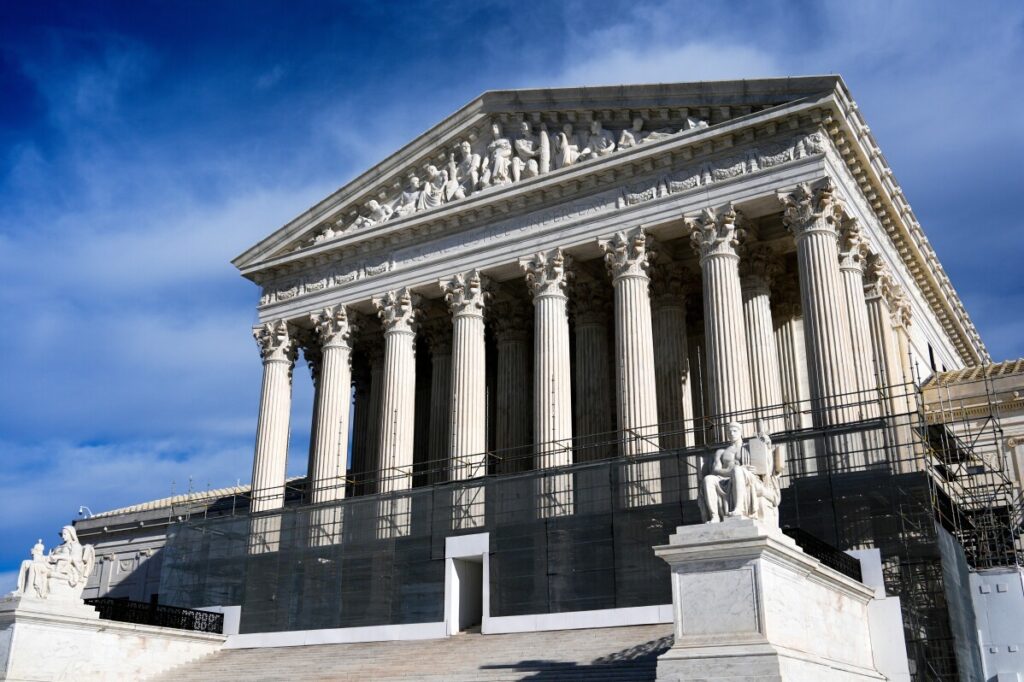
In a development that should raise alarms for conservatives nationwide, Ryan Zinke, former Trump Interior Secretary and four-term Montana congressman, has announced he will not seek reelection to his U.S. House seat due to lingering health issues tied to his military service. While personal health is undeniably important, this departure threatens the stability of a crucial Republican hold in a state that has leaned right for years.
Why Does Zinke’s Retirement Matter for America First?
Zinke was more than just another member of Congress; he was an unapologetic champion of President Trump’s America First energy agenda. As Interior Secretary, he aggressively pushed for expanded oil and gas drilling on federal lands—policies designed to secure American energy independence and economic growth. His backing of responsible conservation efforts also showed a nuanced approach, balancing resource development with stewardship.
Now, with a razor-thin Republican majority in the House (218-214) and three open seats ahead of midterms, losing a stalwart like Zinke risks ceding ground to Democrats eager to reverse these gains. Even more concerning is the Democratic optimism already voiced by challengers like Ryan Busse and union organizer Sam Forstag who claim Montanans are “hungry for new leadership.” But is this hunger truly reflective of Montana values or a sign of alarming complacency within the GOP ranks?
Is Washington Preparing to Let Montana Slip Away?
Zinke cited multiple surgeries and injuries sustained during his Navy SEAL service as reasons for stepping down—noble grounds beyond reproach. Yet his decision leaves voters vulnerable without the clear-cut conservative candidate they have trusted through turbulent political seasons.
The swift endorsements from Zinke and Senator Tim Sheehy of Aaron Flint, a conservative talk radio host and combat veteran, indicates an attempt to rally strong America First leadership—but intra-party competition is already fierce. Al “Doc” Olszewski’s entry into the race after narrowly losing the previous primary reflects deep divides that could fracture Republican unity.
This fragmentation plays directly into Democrat hands at a perilous time when national sovereignty must be defended against globalist pressures eroding America’s control over its resources and borders. How long will Washington ignore these internal conflicts when American families rely on strong representation upholding common-sense conservative principles?
Montana Governor Greg Gianforte praised Zinke as a “champion” first in uniform then public office—a reminder that genuine service matters amid political turmoil. But champions don’t last forever; it falls now on Republican voters and leaders to ensure their legacy continues with candidates who prioritize freedom, economic prosperity, and national security above all else.