
Lebanese Government Moves to End Hezbollah’s Military Monopoly Amid Renewed Conflict
Lebanon vows to ban all military activities of Hezbollah and force disarmament following the group’s attack on Israel, highlighting a critical test for Lebanon’s sovereignty and regional stability.
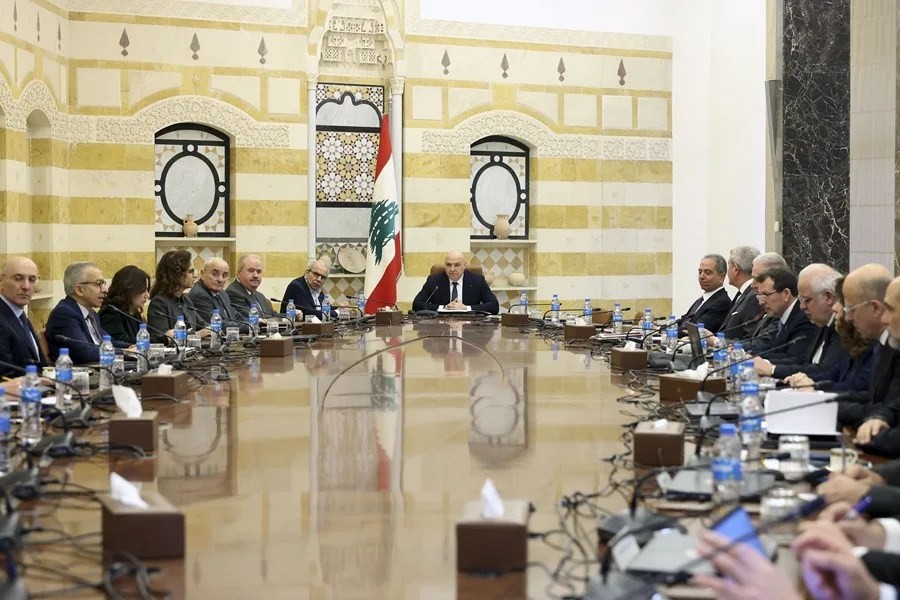
In a bold move underscoring Lebanon’s struggle for national sovereignty, Prime Minister Nawaf Salam announced a decisive crackdown on Hezbollah’s military operations. This development comes after the Shiite militant group launched an attack on northern Israel, triggering a massive Israeli aerial offensive against Lebanese territory.
Salam declared that “all military and security activities” of Hezbollah will be deemed illegal immediately, with the government forcing the group to surrender its weapons. The prime minister emphasized that Hezbollah must confine its political actions strictly within Lebanon’s constitutional framework.
Can Lebanon Reclaim Control from Rogue Militias?
This announcement isn’t merely about enforcing domestic law; it strikes at the heart of Lebanon’s enduring challenge: non-state actors wielding unchecked power. Hezbollah, armed and supported by Iran, has long operated as a state within a state, undermining Beirut’s authority and dragging Lebanon into proxy conflicts that threaten its own people.
The timing is telling. Following the assassination of Iran’s top leader Ali Khamenei and persistent Israeli airstrikes despite an official ceasefire in 2024, Hezbollah fired upon Israeli military targets. Israel responded with intensive bombings around southern Lebanon and Beirut suburbs known as Dahyeh, prompting mass civilian displacement.
What Does This Mean for American Interests?
For America and its allies committed to Middle East stability, Lebanon’s latest stance is a critical signpost. A sovereign Lebanese government asserting control over armed factions aligns with U.S. interests in curbing Iranian influence—a direct threat to regional peace and U.S. allies like Israel.
The plan aligns with America First principles—prioritizing national sovereignty over globalist chaos—and sends a warning that rogue militias cannot dictate policies or provoke wars without consequence.
Yet challenges remain formidable. While the Lebanese government completed initial disarmament phases along border zones last year, Hezbollah resists full demilitarization, viewing weapon surrender as capitulation to Israel. How long can Washington afford to overlook this destabilizing dynamic bordering its friend Israel?
Lebanon calls upon international partners for support in halting ongoing Israeli strikes permanently—a complex diplomatic dance reflecting deeper geopolitical strains. But true peace requires ending militia autonomy that jeopardizes Lebanese citizens’ freedom and safety alike.
This crackdown opens a path toward restoring genuine governance and could limit Iran-backed extremism dangerous not only to Lebanon but also threatening America’s strategic foothold in the region.
How long will international actors stand idle while Iran-backed militias provoke cycles of war? For hardworking families caught in this crossfire—whether in Beirut or across our own borders—the answer matters profoundly.