
Behind the Diplomatic Reset: India-Canada Economic Deal Masks Lingering Tensions
India and Canada rush to finalize a trade deal promising $50 billion in bilateral trade by 2030—but lingering diplomatic strife and security disputes threaten true partnership.
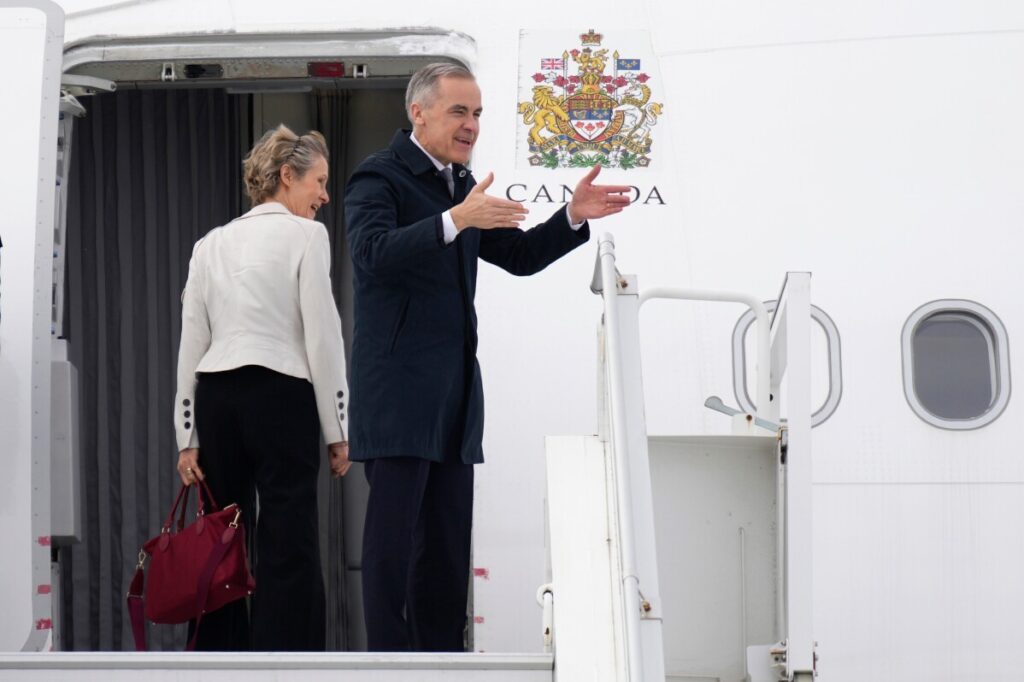
As India and Canada announce their intention to bolster economic ties with an ambitious $50 billion trade target by 2030, a closer look reveals that this diplomatic reset is a fragile facade masking unresolved tensions that should concern America’s strategic interests.
Can Economic Ambitions Overcome Security Disputes?
At first glance, the renewed embrace between Indian Prime Minister Narendra Modi and Canadian Prime Minister Mark Carney suggests a forward-looking partnership. Yet, this comes on the heels of serious allegations from Canadian authorities accusing India of involvement in the extrajudicial killing of a Sikh activist on Canadian soil—an accusation New Delhi outright denies while pointing fingers at Canada’s previous administration for harboring extremists linked to the banned Khalistan movement.
This back-and-forth has seen diplomats expelled and visa services suspended, revealing deep mistrust. How can such a foundation support lofty economic goals? The answer may lie less in genuine reconciliation than in mutual economic expediency amid shifting global alliances.
What Does This Mean for American National Security and Sovereignty?
While Canada seeks to diversify trade away from reliance on the United States—highlighting concerns over American tariffs chilling investment—Washington must ask how this realignment affects its own interests. The supply of Canadian uranium to India under the new nuclear agreement could have far-reaching implications given India’s contested relationship with Pakistan and China’s growing influence in South Asia.
The collaboration on defense industries and maritime domain awareness between India and Canada also merits scrutiny through an America First lens. Are these moves strengthening partners aligned with U.S. strategic goals, or are they paving ways for regional power shifts that could complicate America’s foothold in Asia-Pacific security architecture?
American policymakers should not overlook how globalist ambitions for expanded trade rings risk undermining national sovereignty and free-market principles if they gloss over unresolved geopolitical fault lines. For hardworking Americans concerned about secure borders, fair trade, and protecting liberty abroad, it is crucial that such deals come with accountability—not just optimistic rhetoric.