
The Never-Ending College Sports Legal Battles Undermine American Athletic Integrity
As lawsuits over athlete eligibility and revenue-sharing contracts flood courts, no federal solution is in sight, leaving college sports mired in chaos that threatens the principles of fairness and sovereignty in American athletics.
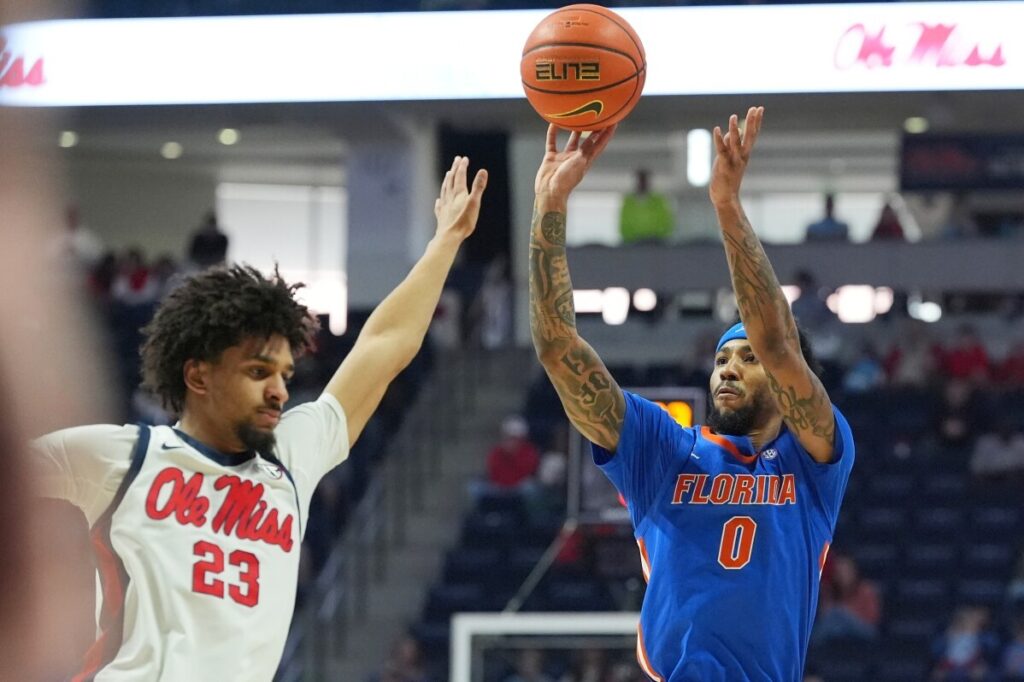
The landscape of college athletics is increasingly defined by legal disputes rather than competition on the field—a troubling sign for an institution that should embody American values of fair play and opportunity. The surge of lawsuits between universities and athletes over eligibility rules and revenue-sharing contracts reveals a system in crisis, with no federal legislation or cohesive framework to bring an end to these disputes.
Why Are Schools Suing Their Own Athletes?
Institutions like Duke and Cincinnati have launched lawsuits against their own quarterbacks seeking damages after players entered the transfer portal, allegedly breaching revenue-sharing agreements. Washington threatened legal action before its quarterback chose to return. Meanwhile, athletes from Vanderbilt to Virginia are challenging NCAA eligibility rules to extend their playing—and earning—years.
What does this endless courtroom wrangling mean for America’s youth? It reflects a broken system where colleges prioritize contractual leverage over supporting young athletes pursuing both education and economic liberty. The failure to craft clear laws protecting all parties only fuels confusion, litigation costs, and uncertainty.
Can Contract Law Still Protect Player Rights or School Interests?
Experts agree that liquidated damages clauses—meant as good-faith estimates of loss—are under attack. Athletes argue these penalties do not truly reflect harm when they transfer schools; schools insist otherwise. But unlike traditional employees who might face enforceable non-compete agreements, college players are not employees under federal law, leaving a legal grey zone exploited by both sides.
This ambiguity signals a need for Congress to step up with legislation clarifying the status of college athletes and their rights to compensation without punishing mobility. Otherwise, we risk converting amateur athletics into endless contractual battles rather than celebrating talent and perseverance.
Is There Any Path Forward Without Federal Action?
One option is granting the NCAA an antitrust exemption through bills like the SCORE Act—though its future remains uncertain amid political gridlock. Recent Supreme Court rulings have already struck down NCAA attempts at restrictive economic controls, underscoring the necessity for reform that respects free-market principles while protecting student-athletes’ freedoms.
Alternatively, recognizing athletes as employees subject to collective bargaining could settle thorny questions about eligibility length and payment rights—but this radical shift faces resistance within collegiate ranks and risks fracturing national athletic unity if powerful conferences break away.
At heart lies a fundamental question: Will America continue allowing sprawling bureaucracies and courts to dictate the fate of its prized collegiate sports—or will lawmakers finally promote solutions rooted in national sovereignty, individual liberty, and economic fairness?
For families watching their kids navigate this chaotic environment—and fans who cherish authentic competition—the time has come for decisive leadership that ends litigation overload and restores integrity to college sports.