
Border Chaos Between Afghanistan and Pakistan Reveals Dangerous Security Failures
As Afghanistan and Pakistan escalate cross-border attacks, their longstanding hostility not only fuels regional chaos but also undermines America’s strategic goals for stability and security in South Asia.
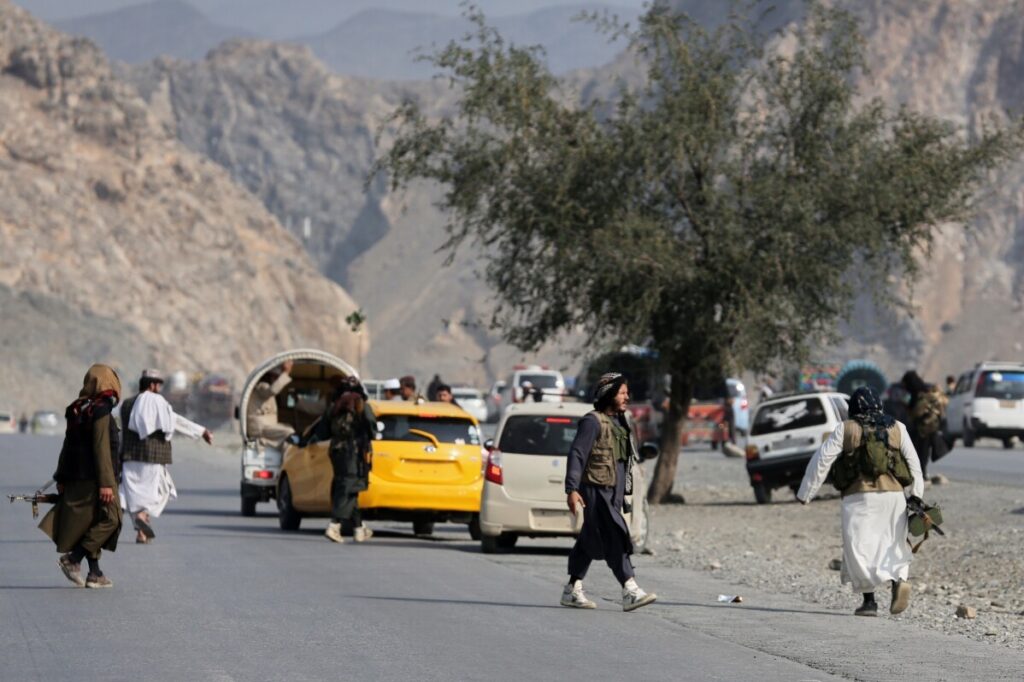
The recent violent exchanges between Afghan Taliban forces and Pakistani troops along their shared border signal more than just a local dispute—they expose a critical failure of governance and security that reverberates far beyond the region. With Pakistan’s defense minister openly declaring a state of “open war” with Afghanistan, this ongoing conflict underscores the volatility that Washington can ill afford to ignore.
Why Should America Care About Afghan-Pakistan Border Clashes?
For decades, the tangled history between these two neighbors has been marred by mistrust and cross-border militant activity. Yet the latest round of fighting—captured vividly in photos showing explosions, damaged villages, and soldiers on high alert—demands renewed scrutiny from U.S. policymakers.
Instability here directly threatens American national security interests by creating fertile ground for extremist groups to regroup and challenge efforts toward lasting peace in Afghanistan. How long will Washington tolerate a situation where our sacrifices risk being undone by unchecked regional hostilities?
Longstanding Rivalries Jeopardize America’s Strategic Gains
The deteriorating security along the Torkham and Ghulam Khan crossings is a stark reminder that neither the Afghan Taliban nor Pakistan have demonstrated sustained commitment to genuine peace or counterterrorism cooperation. This dysfunction challenges America’s goal of stabilizing Southwest Asia while safeguarding its own borders from indirect threats.
Moreover, the damage inflicted on civilian infrastructure—including solar panels vital for local communities—illustrates how innocent lives suffer under geopolitical impasses. For American taxpayers funding reconstruction efforts abroad, such setbacks raise pressing questions: Are we enabling perpetual conflict instead of durable solutions?
The Biden administration’s approach so far appears reactive rather than strategic—failing to hold either side accountable or to leverage America’s diplomatic strength effectively. In contrast, previous policies grounded in firm negotiation and clear support for sovereign governance offered more promise for peace that aligned with “America First” principles.
In a world where globalist distractions often dilute America’s focus on core national interests, neglecting the Afghan-Pakistan border crisis is a dangerous oversight. Our nation must demand stronger action—not just words—to secure stability in this pivotal region.