
Venezuela’s Human Rights Watchdog or Chavismo’s Judicial Tool? The Tarek William Saab Paradox
Tarek William Saab’s shift from Venezuela’s embattled prosecutor to temporary human rights defender exposes the regime’s persistent abuse of legal institutions under Maduro’s authoritarian rule.
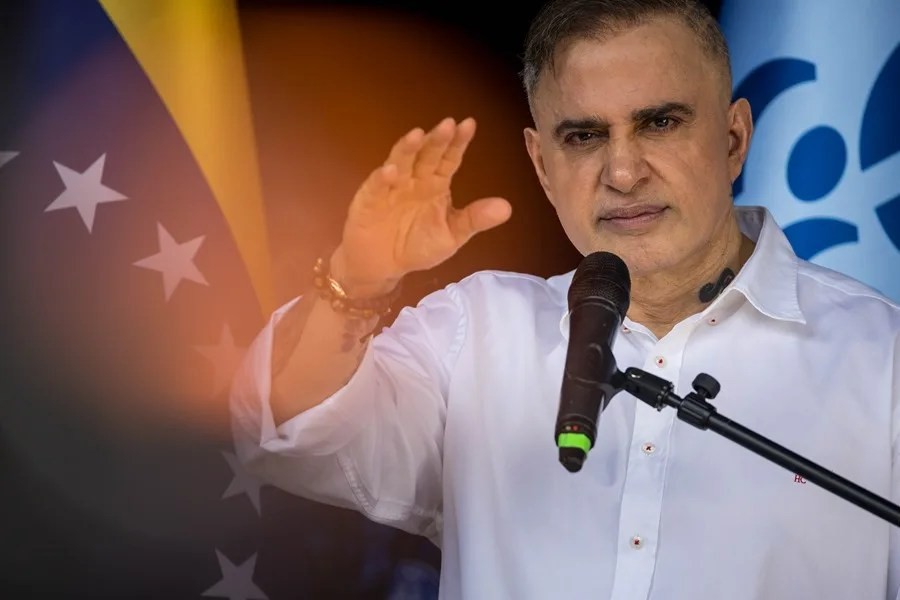
In a move that underscores the degradation of Venezuela’s justice system, Tarek William Saab—long criticized as a loyal instrument of chavismo—has resigned as prosecutor general only to assume once again the post of defender of the people, a position ironically meant to safeguard human rights.
This political circus unfolds amid ongoing U.S. pressure on Nicolás Maduro’s regime and a so-called “new political moment” declared by Maduro’s interim president, Delcy Rodríguez, who promotes an amnesty law touted as closing Venezuela’s darkest chapters. But for Americans following these developments, this is far from a hopeful sign; it signals how entrenched authoritarian networks continue to pervert justice and violate fundamental freedoms just beyond our borders.
How Can Human Rights Be Defended by a Figure Linked to Political Persecution?
Saab’s tenure as prosecutor general has been marked by his active participation in turning Venezuela’s legal apparatus into what critics and international observers call “the judicial arm” of Maduro’s government. Under his watch since 2017—a period coinciding with mass anti-government protests and calls for democratic restoration—over 2,400 politically motivated arrests have been documented. The International Criminal Court is investigating these alleged crimes against humanity.
Despite claiming millions in convictions related to human rights violations and corruption, Saab’s record raises serious questions: Are these numbers a genuine reflection of justice served or merely carefully curated statistics masking systematic repression? As a former member of the Constituent Assembly that dissolved constitutional order and replaced independent institutions with pro-regime entities, Saab embodies the regime’s assault on Venezuela’s sovereignty and rule of law.
Why Should Americans Care About Venezuela’s Justice Crisis?
The irony is stark: A man once presenting himself as a champion of human rights now personifies the collapse of freedom in Venezuela. For patriotic Americans dedicated to national sovereignty and liberty, this signals the dangers posed by regimes that weaponize legal institutions against their own citizens. Instability exported from such failed states threatens regional security, fuels migration crises at our southern border, and undermines hemispheric stability.
Washington must not be complacent. The sham appointments and sham justice in Caracas are not isolated dramas—they reflect an ongoing battle between democracy and authoritarianism in America’s backyard. Accountability demands exposing figures like Saab not as defenders but as enablers of oppression.
If we value freedom and common-sense conservatism, then standing with Venezuelan patriots seeking real reform means recognizing when supposed guardians become instruments of tyranny.