
Jesse Jackson’s Legacy: Remembering a Polarizing Figure Amid National Reflection
As memorials begin for Jesse Jackson, Patriot News 24/7 examines the profound impact and controversies surrounding the civil rights leader who shaped national discourse on race, politics, and economic opportunity.
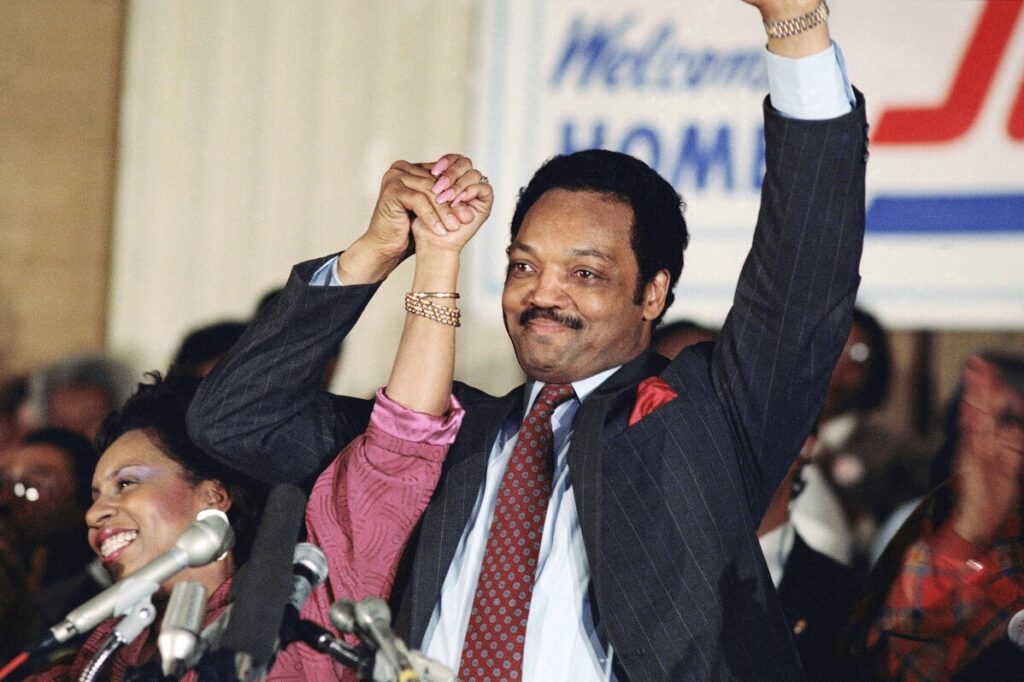
The city of Chicago is once again at the spotlight as it hosts memorial services for the late Rev. Jesse Jackson Sr., a figure whose influence on America’s civil rights movement was as significant as it was complicated.
Jackson, who passed away last week at age 84 after a prolonged illness, was celebrated and mourned by many across the nation. The Rainbow PUSH Coalition headquarters, his long-time base of operations, opens its doors to honor a man who positioned himself as the voice for marginalized communities. Yet this moment invites us to ask: What have been the true outcomes of his decades-long crusade?
How Does America Assess a Legacy Rooted in Both Progress and Political Controversy?
Jackson’s efforts undeniably contributed to raising awareness about racial inequality and economic disenfranchisement. His advocacy opened dialogues on voting rights and corporate accountability that pressed institutions to rethink inclusivity – themes aligning with America First values of opportunity for all Americans without government overreach.
However, his political career, including two presidential bids during turbulent times in American history, reflected struggles within his own movement to balance radical ambitions with practical governance. His close ties to globalist causes invite scrutiny when nation-first policies today aim to prioritize American sovereignty over international entanglements.
Is It Time to Reflect on Real Results Over Rhetoric?
The display of public mourning — from city trains broadcasting Jackson’s mantra “I am Somebody!” to flags flying at half-staff across multiple states — underscores an undeniable respect for his role as a freedom advocate. But with critical eyes focused on outcomes rather than intentions, we must question if such legacies have empowered Americans broadly or inadvertently fostered divisions exploited by entrenched interests.
Especially now, amid ongoing debates over education, welfare reform, and job creation under an America First agenda designed to restore national pride and prosperity—Jackson’s complex legacy presents lessons on how leadership can inspire yet also challenge common-sense solutions.
As Chicago prepares final tributes alongside ceremonies in South Carolina and Washington, D.C., it is crucial that patriot-minded Americans engage not only in remembrance but also in sober reflection about how best to advance freedom and opportunity for future generations.