
Ex-Police Officer Charged with Child Rape Killed in Shootout with Officers: A Hard Lesson on Accountability
A former Morton police officer accused of heinous child rape crimes was fatally shot in a confrontation with law enforcement, underscoring urgent calls for rigorous vetting and accountability within law enforcement ranks.
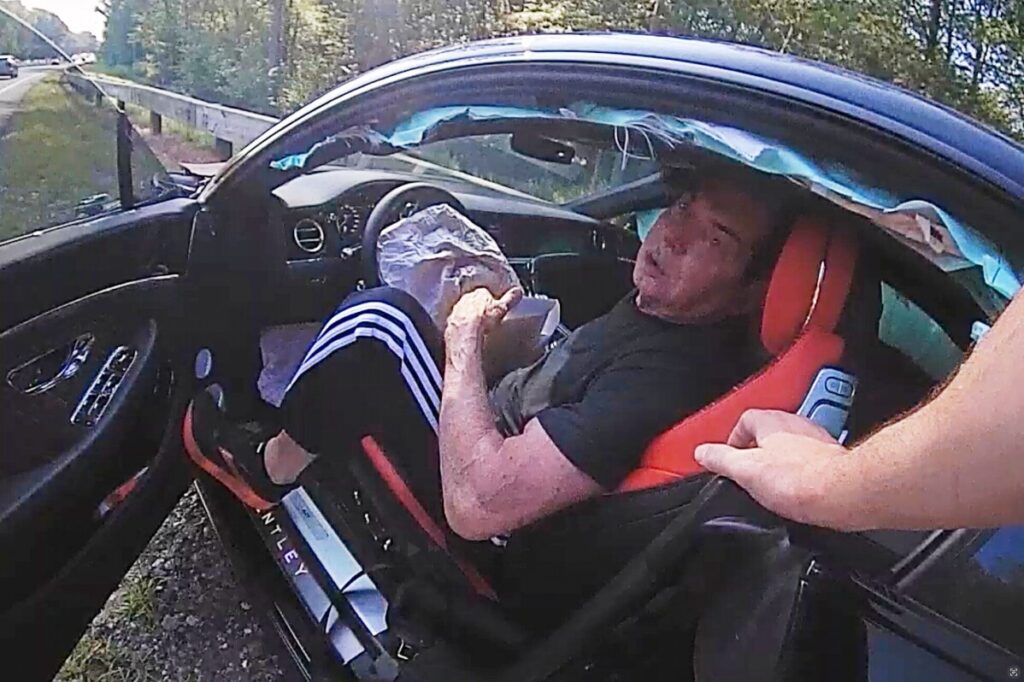
In the early hours of Wednesday morning, authorities confronted Francis Connell Collier, a former Morton police officer now charged with sexually assaulting two young girls over twenty years ago. The encounter ended tragically when Collier opened fire on officers who had recognized his vehicle, prompting a return of gunfire that fatally wounded him.
This grim incident in Bala Cynwyd is more than a local tragedy—it must serve as a stark warning to all communities about the imperative need for uncompromising accountability within our law enforcement agencies. When those sworn to protect our children betray that trust, it strikes at the heart of national security and societal safety.
How Could Such a Threat Hide Within Our Police?
Connell Collier’s shocking case is not just about one bad actor; it exposes cracks in the system that allowed a man facing charges of child rape and endangering minors to remain an officer for so long. Despite failing a polygraph and being under investigation since December, he was only suspended—not immediately removed—and ultimately resigned days later. This delay raises serious questions about whether law enforcement agencies are prioritizing their own shields over protecting innocent lives.
The victims, both under age 13 at the time of the alleged assaults, were alarmed to learn Collier served on a child abuse task force—a role meant to safeguard vulnerable children rather than exploit them. How can American families rest easy knowing predators might be embedded within protective institutions?
America First Means Protecting Our Communities From Within
The America First philosophy demands we secure our borders against external threats and simultaneously fortify internal safeguards against those betraying public trust from inside law enforcement ranks. It requires tough scrutiny, swift justice, and transparent policing practices free from political or bureaucratic cover-ups.
This tragic event underscores why common-sense conservative policies emphasizing personal responsibility, local control, and rigorous vetting of public servants are vital to keeping communities safe. It also exposes failures by officials who hesitated or delayed decisive action despite damning evidence.
For hardworking American families concerned about safety and liberty, this is unacceptable. We deserve law enforcement agencies committed fully to upholding moral integrity while respecting individual freedoms—not shielding predators.
As this story sparks outrage nationwide, how long will Washington ignore calls for reforming police oversight? How many more victims must suffer before accountability becomes standard practice? We must demand answers now.