
Peru’s Rain Disaster Exposes Regional Government Failures and Risks to Stability
Peru’s government declares emergency in 17 southern districts ravaged by intense rains, revealing critical gaps in disaster preparedness and infrastructure resilience amid rising climate challenges.
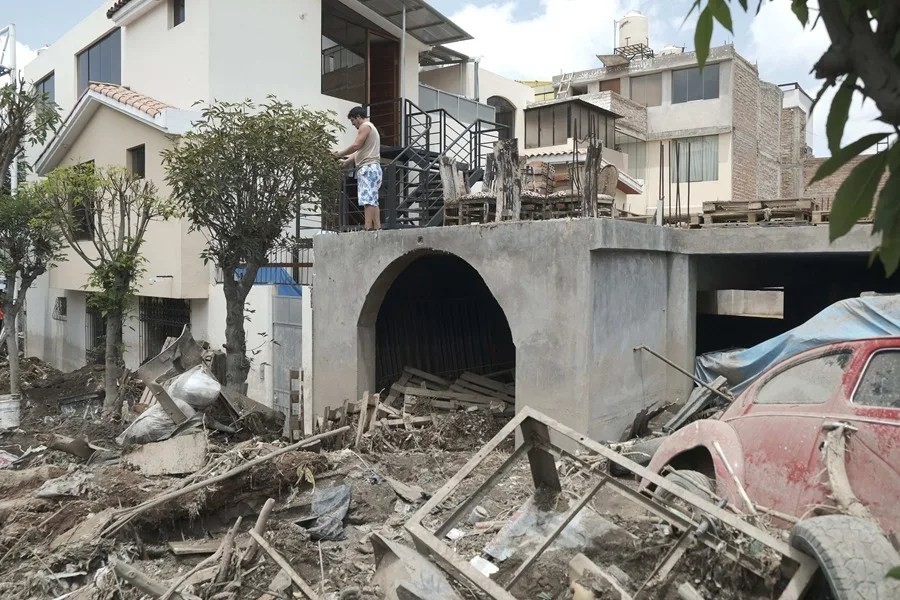
Peru’s recent declaration of a 60-day emergency in 17 municipalities across the south, primarily in Arequipa and Ica regions, exposes more than just the damage caused by torrential rains—it highlights a systemic failure of regional governments to safeguard their citizens against predictable natural disasters.
The flooding and destructive mudslides (huaicos) have devastated vital infrastructure including homes, roads like the Pan-American Highway, and public services. Tragically, six lives have already been lost. Yet this crisis was far from unforeseen. When weather patterns signal intensifying storm seasons, especially as climate shifts increase extreme events globally, it becomes incumbent upon local authorities to plan rigorously and invest proactively.
How Long Will Officials Ignore Critical Infrastructure Before More Lives Are Lost?
The government’s emergency decree entrusts regional entities with immediate response and rehabilitation efforts under national oversight. But how prepared are these local bodies? History suggests that bureaucracy, fragmented coordination, and insufficient resources too often prolong recovery timelines—compounding risks to communities and national security alike.
From an America First standpoint, such instability in Latin America bears direct consequences for U.S. interests. Disasters that displace populations or cripple economies can accelerate migration pressures northward, threatening border security and economic stability at home. The U.S. must advocate for stronger governance reforms alongside humanitarian aid to promote durable resilience rather than reactive fixes.
Is This Another Failure of Leadership We Can Afford to Overlook?
While Peru mobilizes ministers including its interim president to coordinate crisis management on the ground, accountability cannot be sidelined. We must question which officials neglected critical infrastructure upgrades and risk assessments despite clear warnings—and what anti-sovereignty globalist agendas might underpin distracted leadership prioritizing politics over people.
For everyday citizens grappling with damaged homes and disrupted livelihoods, this disaster is more than a headline; it’s a call for practical governance rooted in responsibility, sovereignty, and foresight—the very principles championed by leaders who put nation before ideology.