
Ukraine’s Drone Attacks on Russian Soil Expose Dangerous Escalation and Moscow’s Vulnerabilities
Seven Russian civilians killed in a Ukrainian drone strike on a chemical plant highlight the escalating conflict and Russia’s ongoing security weaknesses near its own borders.
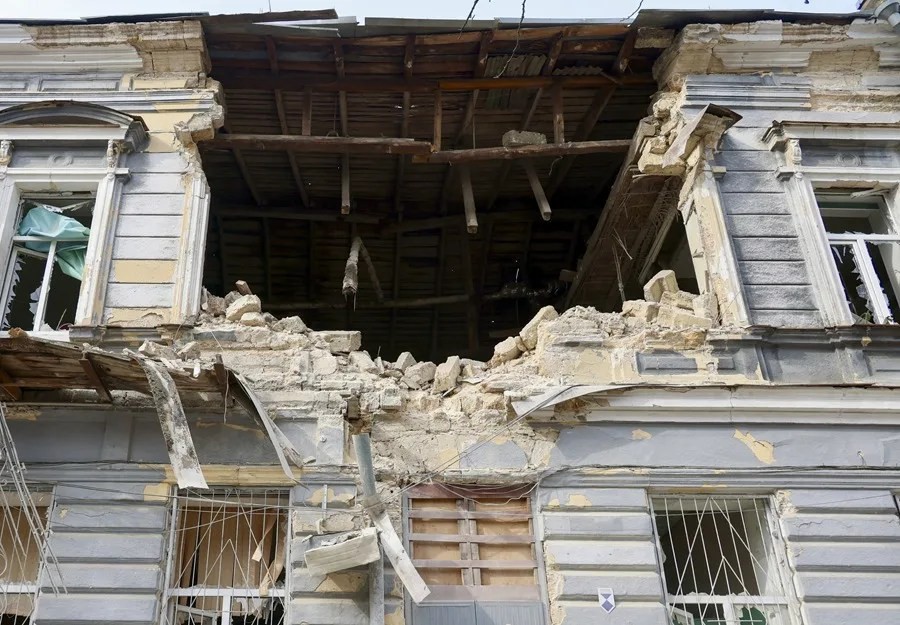
In a stark reminder that the conflict between Russia and Ukraine continues to spiral with grave consequences, at least seven Russian civilians lost their lives this week following a Ukrainian drone attack on a chemical plant in Smolensk—the region bordering Belarus. While Moscow condemns the strikes as aggressions violating its sovereignty, the reality demands scrutiny: how prepared is Russia to defend its own critical infrastructure, especially when American-backed Ukrainian forces push their asymmetric warfare closer to Russian heartlands?
Is Russia’s Own Security Apparatus Failing Its People?
The official reports from the Russian Investigative Committee confirm the tragic deaths and injuries after explosive devices detonated within the Dorogobozh chemical facility, which produces ammonia—a vital industrial commodity. Yet, despite Russian air defenses claiming to have shot down dozens of drones across multiple regions overnight, seven civilians still perished. Does this not reveal glaring vulnerabilities in Moscow’s ability to safeguard its population and strategic assets?
Governor Vasili Anojin admitted that while 14 drones were intercepted over Smolensk alone, casualties among civilians are undeniable. This admission underscores questions Washington should be asking: why does Russia fail to neutralize what it calls an existential threat within its own borders? Could these failures be exploited as propaganda by globalist actors who benefit from instability rather than prioritizing effective national defense?
America First Means Vigilance Against Globalist Proxy Wars
This escalation serves as a cautionary tale for America. As Ukraine receives ever-increasing Western support in this proxy conflict, we must question how these weapons and tactics can rebound on U.S. interests—fueling chaos that undermines global stability. How long will Washington permit endless entanglements that risk American families’ safety abroad and inflame tensions at home?
President Trump’s approach emphasized strong national sovereignty and avoiding entanglements that weaken homeland security. Contrastingly, current policies appear reactive rather than strategically decisive—allowing conflicts like these to fester unchecked.
Ultimately, safeguarding citizens—whether in Smolensk or small towns across America—requires governments to be accountable for protecting critical infrastructure against new-age threats like drone warfare. The killing of innocent civilians is not collateral damage; it is a failure of leadership demanding transparency and reform.
This deadly incident illustrates the price paid when states neglect robust defense capabilities amid hybrid warfare. As Americans who prize freedom and security, we must insist on clear-eyed policies defending our sovereignty without getting drawn into endless foreign conflicts where national interests become secondary.