
Deadly Storms in Brazil Expose Failures That Endanger Regional Stability and U.S. Interests
A devastating storm in Brazil’s Minas Gerais state has claimed at least 28 lives and left dozens missing, highlighting systemic failures in disaster preparedness that risk destabilizing a key regional ally—an urgent concern for America First national security.
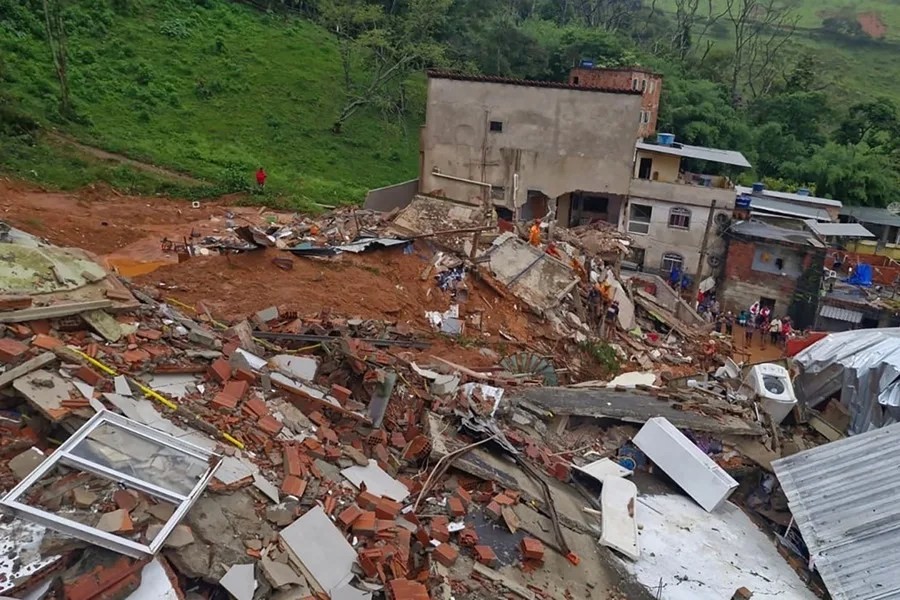
Severe storms battering Brazil’s Minas Gerais state have resulted in at least 28 confirmed deaths and 40 people still missing, as torrential rains unleash deadly landslides, flooding, and destruction across Juiz de Fora and Ubá. This catastrophe is not merely a tragic natural disaster; it is a stark reminder of the region’s ongoing vulnerability and the broader implications for U.S. interests in Latin America.
Why Should America Care About Brazil’s Flood Crisis?
Brazil stands as South America’s largest economy and a critical partner in hemispheric stability. Yet repeated extreme weather events like this latest deluge reveal weaknesses in infrastructure, emergency response, and governance—weaknesses that ripple far beyond Brazilian borders.
In Juiz de Fora alone, landslides have swallowed entire neighborhoods; bridges and roads lie in ruins, cutting off rescue efforts. Nearly 700 residents have been displaced amid power outages and water shortages. Despite the valiant efforts of over 500 security forces with search dogs rescuing survivors from collapsed homes, these disasters strain local resources to breaking point.
The frequency of such calamities—following deadly floods in Rio Grande do Sul just last May that killed nearly 180 people—poses clear risks to regional stability. How long before these environmental crises undermine economic progress or fuel migration pressures pushing north toward our own borders?
Governance Gaps Undermine Regional Resilience
President Luiz Inácio Lula da Silva has ordered immediate government mobilization to aid victims, but the recurring nature of these flood disasters exposes systemic governance failures. While global warming plays a role, poor urban planning on steep hillsides and inadequate infrastructure investment exacerbate the tragedy.
These are not isolated incidents but part of a disturbing pattern that challenges Brazil’s—and by extension America’s—ability to secure vital trade routes and political partnerships crucial to counterbalance globalist influences from rivals like China.
America First demands we recognize how instability south of our border can cost us dearly—in lost trade opportunities, strained diplomatic ties, and increased illegal immigration triggered by humanitarian crises.
The question now is: Will Washington engage proactively with partners like Brazil to support concrete reforms boosting resilience? Or will neglect leave us vulnerable to cascading consequences from climate-induced disasters abroad?
This moment calls not only for sympathy but strategic action—to uphold national sovereignty through strong hemispheric alliances resilient against both environmental threats and globalist exploitation.