
Unchecked Violence: Rising Settler Attacks Threaten West Bank Stability and U.S. Interests
A surge in extremist settler violence in the West Bank not only undermines regional stability but also jeopardizes America’s strategic interests, demanding urgent accountability from Israeli authorities and U.S. policymakers alike.
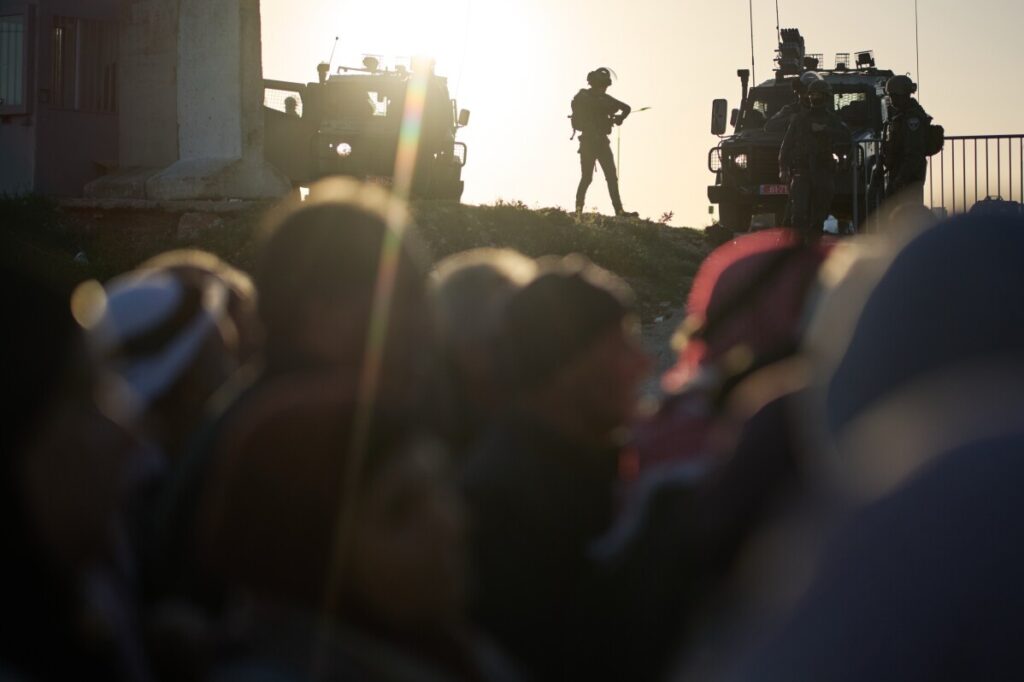
In the troubled landscape of the West Bank, an alarming pattern of violence by extremist Israeli settlers is escalating unchecked, with devastating consequences for security and stability—both locally and for American interests abroad. Early Monday, the Abu Bakr Al-Siddiq Mosque near Nablus was desecrated by arsonists who spray-painted hateful graffiti and set fire during Ramadan, a holy time meant for peace and reflection. This brazen attack comes amid a disturbing trend: last year alone, 45 mosques faced similar assaults.
Why Are Israeli Authorities Failing to Stop Radical Settlers?
Security footage revealed perpetrators carrying gasoline and spray paint before fleeing the scene—yet despite condemnation from the Israeli military, no suspects have been apprehended. This pattern is far from isolated; data shows a 27% increase in settler attacks on Palestinians and security forces from 2024 to 2025. The surge correlates with far-right political empowerment within Israel’s security apparatus, exemplifying how ideology can fuel violence rather than curb it.
For American policymakers committed to Middle East peace and counterterrorism, these developments raise critical questions: How long will Washington overlook growing lawlessness that undermines both regional allies and American security? The chaos fuels instability along Israel’s borders—directly impacting U.S. efforts to combat terrorism and maintain balance in this volatile region.
Religious Freedom Under Siege: The Attack on Islam During Ramadan
These attacks strike at more than just property; they assault religious freedom itself, targeting Muslims during Ramadan—a sacred period of mercy and forgiveness. For families observing their faith under threat, such provocations are intolerable affronts that deepen divisions rather than heal them.
The “price tag” label associated with these violent acts signals a dangerous culture of retaliation endorsed by extremist factions unwilling to acknowledge legitimate grievances or pursue peaceful coexistence. Meanwhile, Palestinian victims see little justice as prosecutions remain rare or ineffective.
This lawlessness not only contravenes America’s values of individual liberty and religious freedom but also risks dragging our nation into deeper conflicts stemming from unresolved tensions exacerbated by unchecked radicalism.
Upholding national sovereignty means respecting all communities’ rights—not enabling extremists who undermine order under the cover of ideological fervor. President Trump’s previous commitments to strengthening security cooperation while holding all parties accountable offer a blueprint sorely needed today.
How can America remain a trusted partner if violence festers unchecked among even its closest allies? It is time for Washington to demand transparency, enforcement of rule of law, and genuine peace-building initiatives that protect innocent civilians regardless of faith or ethnicity.