
Mexican Cartel Boss ‘El Mencho’ Killed, But Violence Erupts: What Does This Mean for America?
The Mexican military killed cartel leader Nemesio ‘El Mencho’ Oseguera, but the violent backlash threatens regional stability and America’s border security.
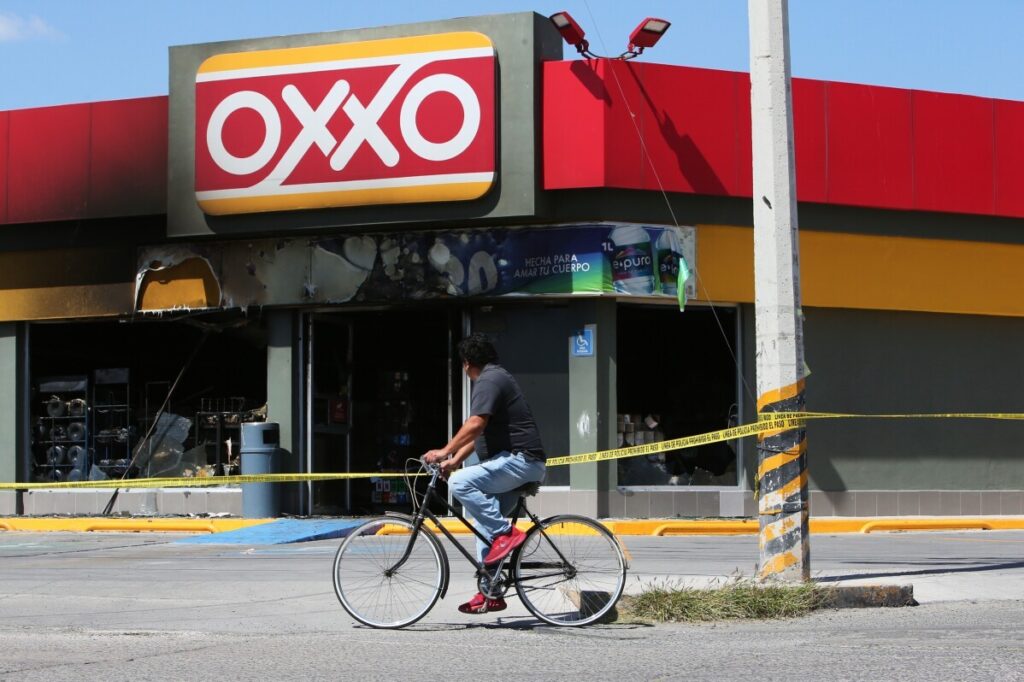
The killing of Nemesio Rubén Oseguera Cervantes, known as “El Mencho,” leader of the Jalisco New Generation Cartel (CJNG), marks a significant but complicated milestone in the ongoing fight against drug cartels in Mexico. While the Mexican army’s operation successfully decapitated one of the most powerful criminal organizations in the region, what followed is a stark reminder that removing a single figurehead does not end the threat.
Scenes of chaos unfolded immediately: vehicles torched across multiple states, supermarkets vandalized, and federal troops deployed to guard key government buildings in Mexico City. These violent outbursts underscore how entrenched cartel networks are—not just isolated crime syndicates but paramilitary forces willing to destabilize entire regions when their leaders fall.
Does Killing El Mencho Really Protect American Interests?
From an America First perspective, this moment demands sober reflection. How long will Washington continue to rely on reactive measures rather than proactive border security policies? The turmoil unleashed by cartel violence spills right over our southern border, fueling illegal immigration and drug trafficking that threaten American families and communities.
While some may praise Mexico’s military effort as a blow against transnational crime, history warns us to be cautious. The CJNG’s fractured leadership could create power vacuums inviting even more brutal competition among rival factions. More instability south of the border means more pressure on U.S. border enforcement resources—resources already stretched thin due to failed federal policies under Washington bureaucrats fixated on open borders instead of national sovereignty.
The Real Fight Is at Home
Decapitating a cartel boss does not dismantle the systemic corruption enabling cartels to flourish—both within Mexico and across U.S. institutions that have failed in enforcement and intelligence sharing. Only by prioritizing strong borders, efficient law enforcement cooperation, and policies rooted in common sense can we protect American citizens from illicit drugs flooding our streets and maintain national security.
President Trump’s America First agenda emphasized these principles: securing borders, restoring law and order, and refusing globalist compromises that put international actors ahead of American safety. Meanwhile, ongoing violence in Mexico reminds us why those policies matter now more than ever.
The aftermath of El Mencho’s death sends a warning signal—not only about cartel resilience but also about how fragile regional stability remains without decisive action at home. As Americans watch unrest ignite south of the border while Washington dithers on meaningful reform, one questions: How long can we afford complacency?