
U.S. Military Lethal Strike in Pacific Raises Alarms Over Oversight and Strategy
The U.S. Southern Command’s deadly strike on a suspected drug trafficking vessel marks yet another instance of lethal military action with little public accountability, raising critical questions about American national security and foreign policy priorities.
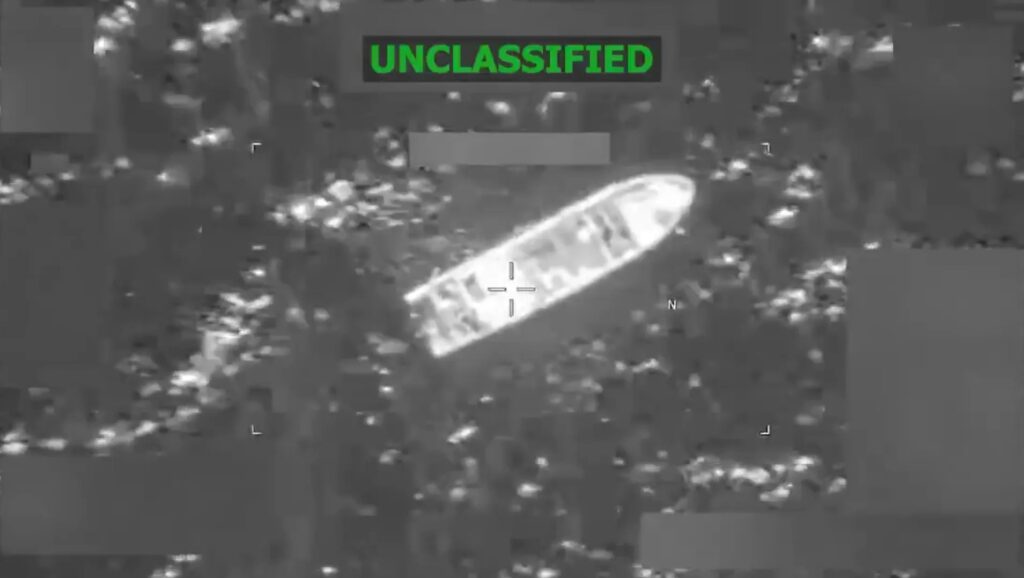
In a stark demonstration of Washington’s aggressive approach to combating narcotics trafficking, the U.S. Southern Command announced that its Joint Task Force carried out a lethal strike on a vessel operating in the Pacific Ocean, killing three crew members. This attack, ordered by Gen. Francis L. Donovan shortly after he assumed command earlier this year, is part of an escalating military campaign resulting in over 110 deaths since August 2025.
Is This Military Overreach Endangering American Interests?
The operation targeted a ship allegedly linked to drug trafficking organizations operating on known routes—a justification often cited to frame these strikes as necessary for national security. But who is held accountable when lethal force results in fatalities far from U.S. shores? This lethal kinetic action, conducted under opaque circumstances, raises significant questions about oversight and the long-term consequences of the military’s role in policing international waters.
The timing is critical: just days before this strike, General Donovan visited Venezuela—currently led by an interim government—as part of an ongoing strategic engagement amid heightened tensions following last year’s controversial military capture of Venezuelan President Nicolás Maduro in Caracas and his transfer to a federal prison in New York.
What Does This Mean for America First Security?
The Biden administration’s continuation—and escalation—of military actions in Latin America contradicts the principles of national sovereignty and restrained engagement championed by America First policies. Excessive reliance on foreign military interventions undermines regional stability and risks entangling the U.S. in protracted conflicts detached from direct American threats.
Moreover, these lethal strikes feed into narratives used by transnational criminal organizations to justify further expansion and aggressiveness at our southern border, exacerbating immigration challenges that directly affect hardworking American families.
It is critical for policymakers and citizens alike to demand transparency about these operations’ objectives and outcomes. Without rigorous oversight and clear strategic goals aligned with American interests—not globalist agendas—we risk sacrificing liberty and security abroad while neglecting pressing domestic concerns.