
Germany’s China Pivot Exposes Europe’s Dangerous Overreliance Amid Global Power Struggle
German Chancellor Merz’s upcoming visit to China highlights Europe’s risky balancing act with a rising global power that challenges American-led order and threatens freedom-loving nations.
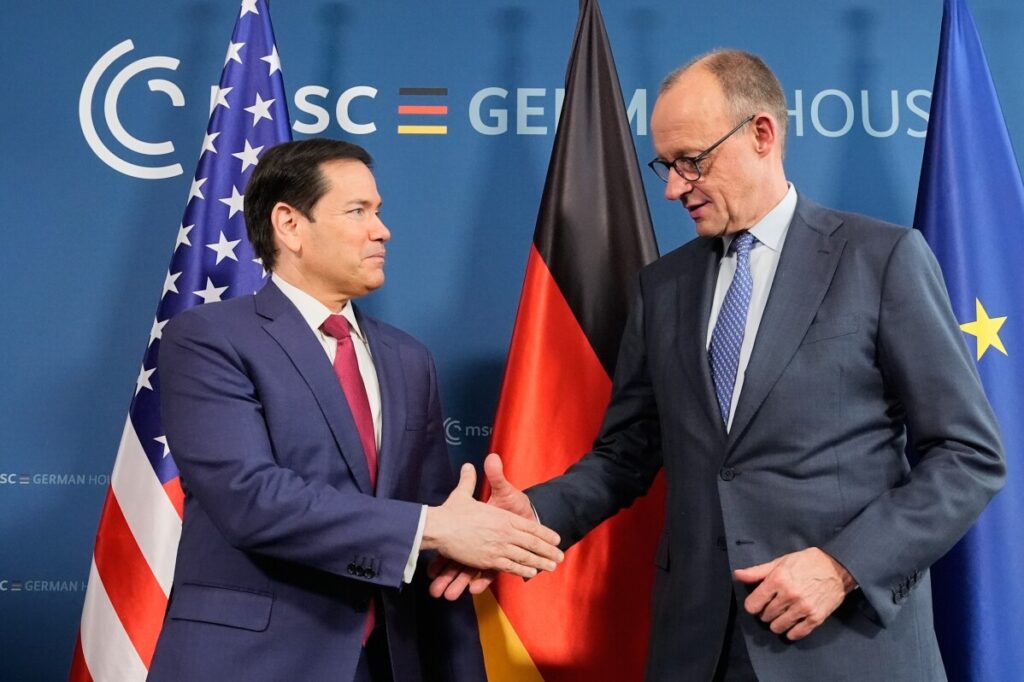
German Chancellor Friedrich Merz is set to make his first official trip to China next week, marking a critical moment in Europe’s fragile dance with an increasingly assertive Beijing. This visit underscores not just Germany’s economic ambitions but also exposes Europe’s alarming vulnerability to a geopolitical rival that openly challenges the principles of national sovereignty and a rules-based international order championed by America.
How Long Will Europe Gamble With Its Own Security?
Merz arrives in Beijing with a clear yet perilous mission: find the “right balance” between cooperation and competition with China. While cooperation sounds reasonable in abstract, it risks blinding European leaders to the true nature of Beijing’s agenda—a new multilateral world order crafted on its own authoritarian terms. Germany, Europe’s largest economy, has long been wary of overdependence on China due to concerns about human rights abuses and the regime’s support for Russia’s invasion of Ukraine. Yet despite such concerns, data shows that last year China reclaimed its position as Germany’s top trading partner, echoing troubling signs of economic entanglement that could weaken Western resolve.
This economic closeness raises urgent questions: How much sovereignty is Germany—and by extension Europe—willing to trade away for short-term profits? And what legacy will this leave for America’s global leadership? The fact that German exports and imports with China topped €251.8 billion last year while trade with the U.S. slipped signals a shift that should alarm every freedom-loving citizen concerned about preserving an international order underpinned by liberty and fair competition.
Will Washington Allow This Shift Without a Fight?
Merz himself refuses “illusions” about China’s intentions, acknowledging publicly that Beijing seeks to define global rules on its own terms. Yet his embrace of closer business ties without specifying safeguards or clear limits leaves open the door for deeper dependency at exactly the wrong time—when America is working tirelessly to rally allies against authoritarian aggression worldwide.
History has shown that when free nations bend too far toward authoritarian powers out of convenience or commercial interest, they risk losing not only economic leverage but strategic independence. The United States must remain vigilant and assertive in ensuring that allies like Germany do not fall victim to divide-and-conquer tactics employed by Beijing.
As President Trump prepares for his own visit to China this spring—bringing his brand of America First diplomacy—the contrast in approaches becomes starkly visible: one side pushing for principled strength rooted in national sovereignty; the other navigating murky grounds full of compromises and concessions.
The question remains: Will Germany stand firm as part of a coalition defending freedom, or will it fall into patterns that undermine collective security? For hardworking Americans watching from afar, these developments carry direct consequences—from supply chain vulnerabilities impacting jobs at home to emboldening adversaries who threaten global peace.
The stakes have never been higher.