
Kim Jong-un’s Ninth Party Congress Masks Dangerous Military Expansion as Economic Progress
Kim Jong-un boasts of North Korea’s economic gains at the Ninth Party Congress, but beneath the surface lies a dangerous military buildup threatening American national security and regional stability.
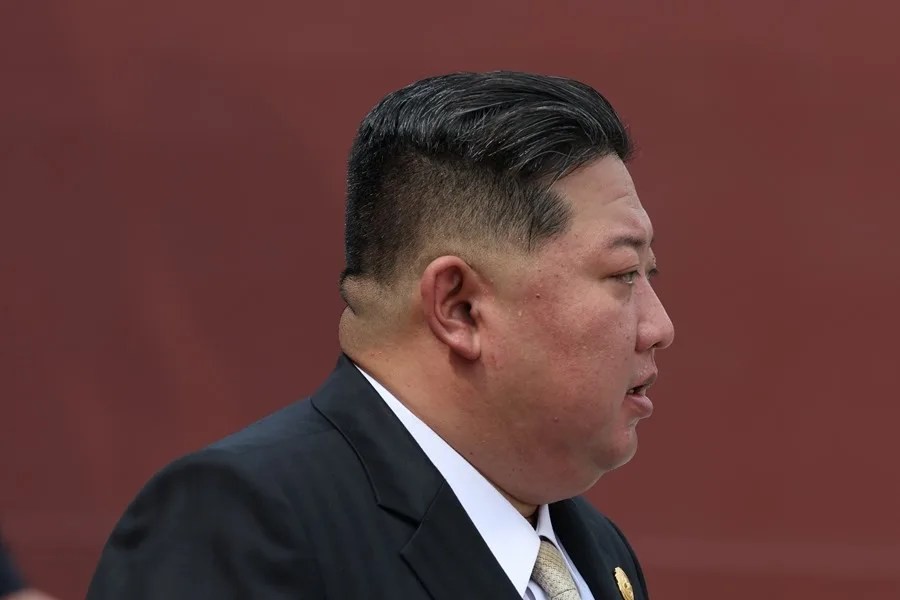
North Korea’s isolated regime, led by Kim Jong-un, recently opened its Ninth Party Congress with grand claims of economic progress. Yet while Pyongyang boasts of “notable, broad, and radical successes” in revitalizing key industries, this self-congratulatory narrative dangerously obscures a far more alarming agenda: continued military expansion and nuclear development that directly threatens American security.
How Much Can We Trust Pyongyang’s Economic Boasts?
At first glance, Kim’s report suggests North Korea is emerging from years of severe deprivation. The regime points to a rebound in GDP growth—3.7% projected for 2024 after consecutive gains in recent years—and claims to have freed crucial sectors from “prolonged obsolescence.” But let’s ask: who truly benefits under this so-called revival? The reality is that the North Korean economy remains shackled by sanctions and isolation imposed because of its belligerent actions.
Moreover, these alleged economic improvements serve primarily as smoke screens for the regime’s paramount priority: militarization. With U.S. intelligence highlighting Pyongyang’s push toward more advanced nuclear-capable weapons—including the feared Hwasong-20 ICBM designed for multiple warheads—the supposed economic progress is little more than façade masking accelerated development of tools of mass destruction.
Why Should America Care About Pyongyang’s Party Congress?
The stakes could not be higher for America and its allies. While Kim carefully avoided direct references to the U.S. or South Korea in his speech, ongoing strengthening of ties with Russia signals a strategic alignment opposed to American interests.
This clandestine buildup threatens not just stability on the Korean Peninsula but also directly challenges our sovereignty and safety back home. How long will Washington tolerate empty words overshadowing real threats? The failure to hold Pyongyang accountable endangers peace and undermines freedom-loving nations’ efforts to contain rogue actors.
The America First approach demands vigilance against such regimes who cloak aggression in propaganda about economic revival while advancing nuclear ambitions designed to intimidate us all. It calls for relentless scrutiny and firm policies that prioritize national security over hollow diplomatic gestures.
As thousands gather at this congress, including potentially Kim’s young daughter touted as his successor, it becomes clear that Pyongyang is preparing not merely for continuity but escalation—both economically controlled yet militarily emboldened.
This isn’t just another foreign spectacle; it’s an urgent call to safeguard American interests against a regime that continues to flout international norms under the guise of progress.