
The Legacy and Reality Behind Rev. Jesse Jackson’s Memorials: What Are We Truly Honoring?
As memorials for Rev. Jesse Jackson spread across the nation, it’s crucial to examine the legacy behind the ceremonies and question if his decades in activism truly advanced American freedom and opportunity.
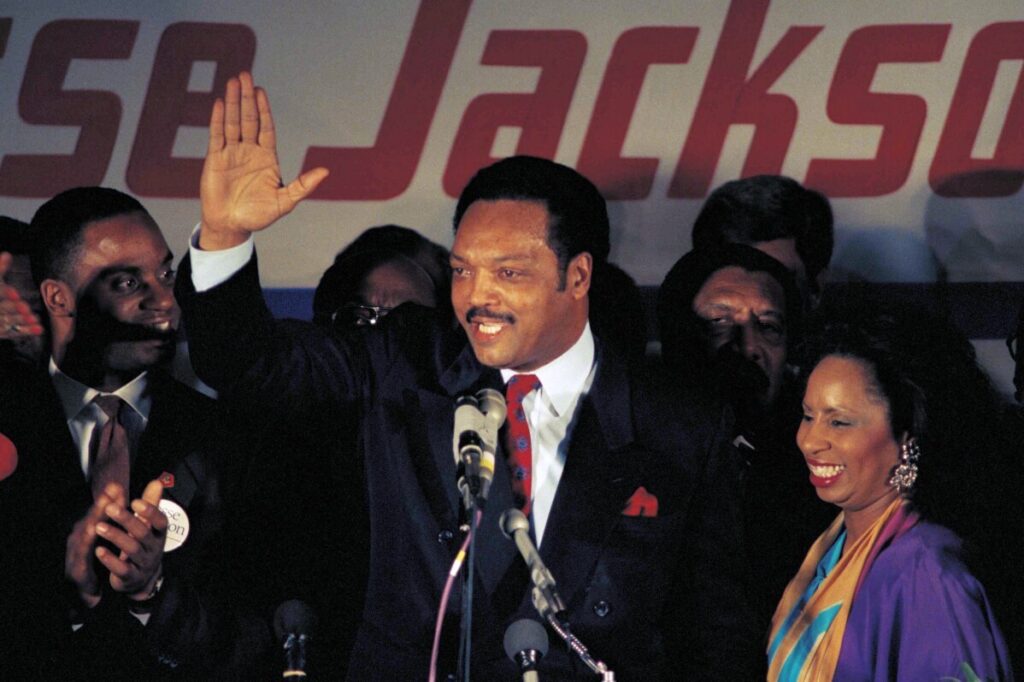
The nation prepares to honor the life of Rev. Jesse Jackson Sr., a figure who rose from the civil rights movement’s fiery crucible, but whose legacy demands scrutiny beyond ceremonial accolades. While memorial services expand from Chicago to Washington, D.C., and South Carolina—Jackson’s birthplace—the questions Americans must ask remain: Did his brand of activism bolster true economic liberty and national sovereignty, or did it entangle communities in dependency and divisiveness?
Is Weaving Legacy Enough When Policies Fell Short?
Revered as a protégé of Martin Luther King Jr., Jackson’s early civil rights efforts undeniably contributed to challenging systemic racial barriers. However, decades later, many hardworking Americans wonder whether his leadership effectively translated into sustainable prosperity for Black communities or simply extended government intervention that stifled individual initiative.
Jackson’s Operation Breadbasket aimed to pressure companies into hiring Black workers during a turbulent era—a tactic that raised awareness yet often led to heavy-handed mandates over free-market decisions. While well-intentioned, such strategies sometimes undermined economic freedom by substituting political influence for genuine business growth.
Memorializing A Man or Reevaluating The Movement?
With memorial events staged in politically charged centers like Washington, D.C., one must consider how much of this ritual serves political symbolism rather than a frank assessment of outcomes. Can America afford to celebrate figures without acknowledging the consequences their activism produced—especially when those consequences intersect with broader themes like national unity and sovereignty?
The Rainbow PUSH Coalition honors Jackson’s spirit and work; yet families across this country face challenges that advocacy alone hasn’t solved—inflationary pressures, border security issues, and educational struggles among Black youth persist unabated.
How long will we allow reverence for symbolic leaders overshadow critical evaluation of policies that impact every American family? Genuine progress requires honoring principles that elevate economic self-reliance, protect national interests, and uphold individual freedoms—not just celebrating personalities.
As Americans reflect on Jackson’s passing, let us pursue honest conversations about where civil rights activism has taken us—and where it needs to go if it truly serves our nation’s future.