
Wall Street and Asian Markets Rally Amid Growing Iran Conflict Risks: What It Means for America
As Nvidia-driven Wall Street rallies lift Asian markets, looming military tensions with Iran threaten to destabilize global markets and the U.S. economy—raising urgent questions about Washington’s priorities and preparedness.
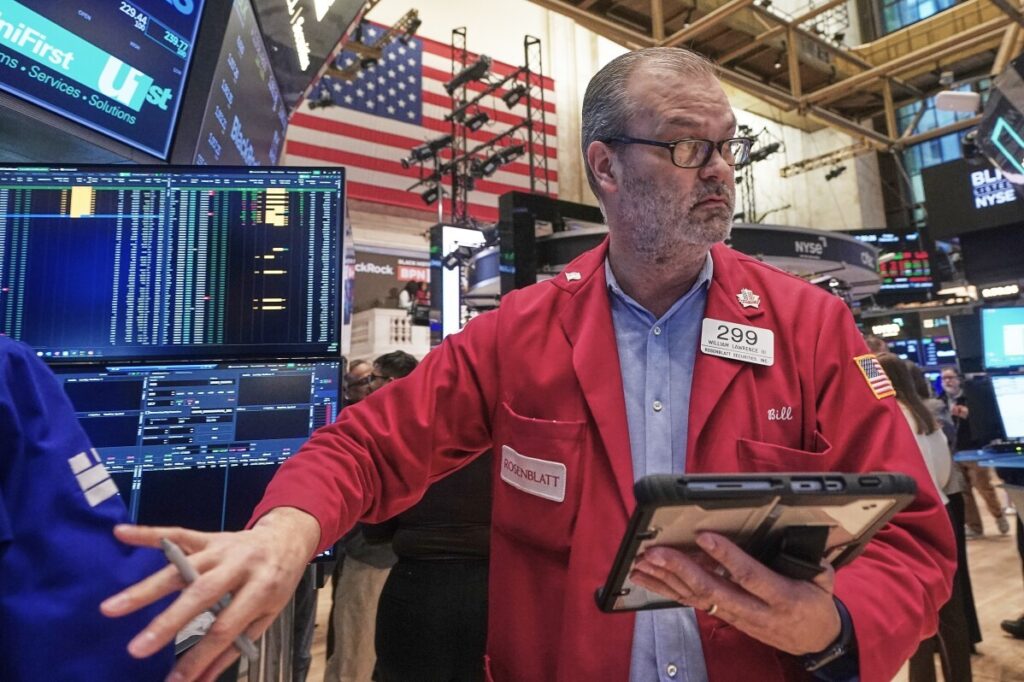
Asian shares climbed Thursday, riding a Wall Street rally powered by technology titan Nvidia’s momentum. Yet behind these gains looms an unsettling reality: rising chances of conflict with Iran that could spiral into a broader Middle East crisis.
U.S. President Donald Trump’s administration has ramped up military resources in the region while simultaneously engaging in indirect nuclear talks with Tehran. This dual approach raises critical concerns—is Washington ready for the potential fallout? And what does this mean for hardworking American families whose economic security depends on stable global energy prices and steady markets?
Why Are Markets Rallying While Geo-Political Risks Mount?
The stock market’s recent upswing, led by Nvidia’s surge following a major AI partnership with Meta Platforms, highlights America’s leadership in cutting-edge innovation. Nvidia CEO Jensen Huang proudly noted, “No one deploys AI at Meta’s scale,” underscoring how American technological superiority fuels market optimism.
Yet even as Wall Street enjoys this artificial intelligence boom, investors cannot ignore the growing volatility sparked by fears of escalation in the Middle East and the knock-on effects on oil prices—which have already ticked upward amid uncertainty.
Asia’s markets followed suit: Tokyo’s Nikkei rose 0.8%, South Korea’s Kospi jumped nearly 3% after reopening from holidays, and Southeast Asia saw solid gains. However, China’s markets remain closed for Lunar New Year, masking full regional exposure.
How Will Rising Tensions Impact America’s Economy and Security?
The U.S.’s deliberate military buildup near Iran signals a readiness to act but also risks entangling the nation in prolonged conflict far from home soil. Such turmoil would drive up oil prices further, squeezing already stretched American family budgets grappling with inflation.
Meanwhile, strong U.S. economic data—improving industrial production, resilient manufacturing orders, and increased homebuilding—suggest that underlying fundamentals are sound enough to withstand shocks if policymakers stay vigilant.
The Federal Reserve faces a delicate balance: keep interest rates steady to support growth without stoking inflation worsened by geopolitical instability. As Fed officials hint at cautious approaches to future rate cuts, Americans deserve transparency on how these decisions align with preserving national sovereignty and economic liberty.
This moment underscores a pressing question: Can Washington safeguard American interests—security at home and robust economic growth abroad—in an increasingly unpredictable world? Or will reckless foreign entanglements undermine both?
For patriotic Americans committed to freedom and prosperity, staying informed and demanding accountability is more important than ever.