
Peru’s Political Turmoil Deepens As Congress Hastily Seeks Interim President
As Peru faces escalating instability with less than two months before general elections, Congress moves quickly to replace a scandal-plagued interim president, exposing the dangerous volatility of political power struggles outside American borders.
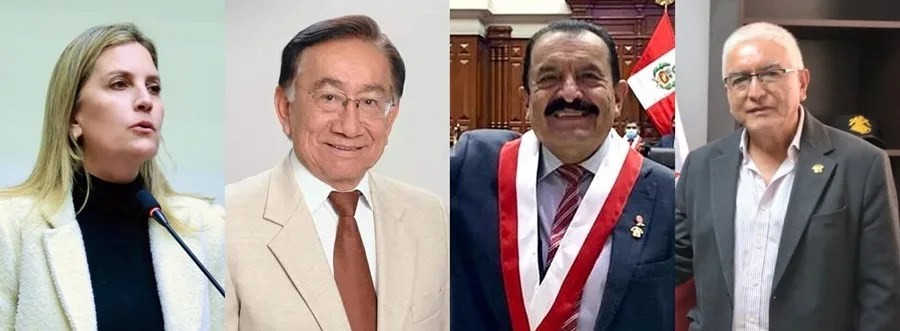
In a move emblematic of the fragility that plagues many Latin American governments today, Peru’s Congress convened an extraordinary session this Wednesday to select a new interim president. This rapid political reshuffling follows the parliamentary ouster of José Jerí, a right-leaning leader deposed amid allegations of clandestine meetings and contracting irregularities just as general elections loom less than two months away.
While these upheavals unfold thousands of miles from our shores, they serve as a stark warning to America about the consequences when national sovereignty is undermined by opaque political machinations and compromised leadership. Instability abroad breeds opportunities for foreign influence and economic disruptions that can ripple into our hemisphere.
Why Does This Matter for America?
The Peruvian legislature must choose from four candidates representing polarized factions: two right-wing hopefuls—María del Carmen Alva and Héctor Acuña—and two leftist contenders—José Balcázar and Edgar Reymundo. The choice will not only determine who leads Peru through its electoral transition but also signal whether conservative or socialist forces hold sway at a critical juncture.
Alva, despite controversies including accusations of divisive rhetoric, emerges as the frontrunner due to her prior role as Congressional president and support among conservative majorities. Yet even her advocates acknowledge she is “not a socially accepted face,” underscoring how desperation for order often trumps principles in crisis settings.
Meanwhile, candidates on the left are tethered to factions linked with failed governance and corruption scandals, including associations with former President Pedro Castillo’s disruptive tenure and alleged attempts at unconstitutional power grabs. This political chaos spotlights how far Peru has yet to go in establishing transparent governance that respects democratic norms—a principle America champions globally.
Lessons for America: Guarding Sovereignty Against Globalist Chaos
As Washington debates border security and economic policy, events like this highlight what is truly at stake: safeguarding national sovereignty against destabilizing influences at home and abroad. Peru’s revolving door of leadership amid corruption allegations reflects what can occur when globalist agendas override local interests.
President Trump’s emphasis on putting America First resonates clearly here—as opposed to allowing foreign entanglements or radical ideologies to erode stability that directly impacts our economy and security. Responsible leadership demands transparency, respect for rule of law, and prioritization of citizens’ welfare over factional politics or international agendas.
The question remains: How long will international players ignore these unfolding lessons while their own policies risk importing instability? For hardworking Americans concerned about freedom both here and abroad, watching Peru’s turmoil should reinforce support for policies that defend our borders, economy, and constitutional order.