
Qatar’s Prime Minister Visits Venezuela Amid Political Turmoil and U.S. Tensions
Qatar’s prime minister arrives in Venezuela amid ongoing political unrest and recent U.S. actions, raising critical questions about global influence and America’s strategic interests.
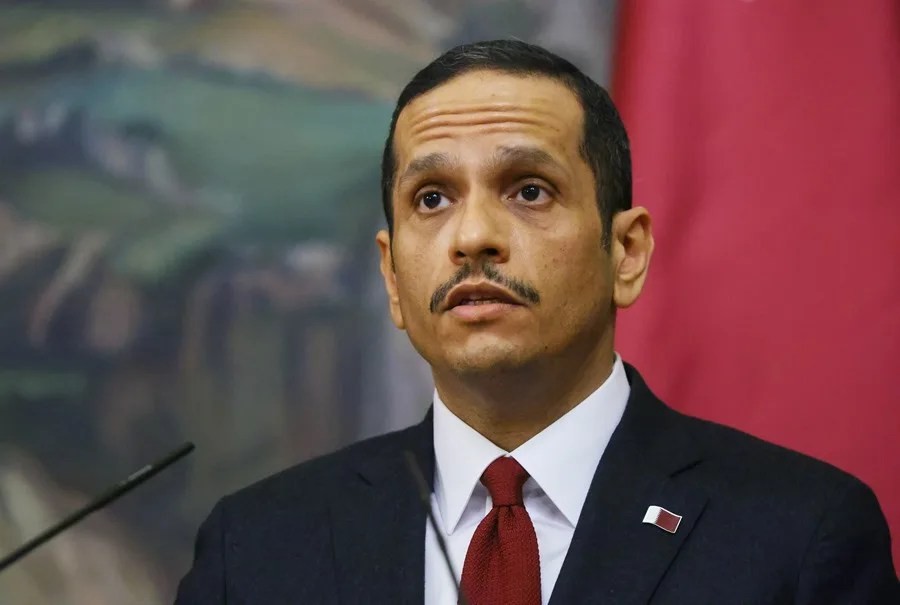
In a move that underscores the geopolitical chessboard involving Venezuela, Qatar’s Prime Minister Mohammed Bin Abdulrahman Al Thani arrived in Caracas this week to pursue what state media describes as a “broad agenda” aimed at strengthening bilateral ties with the Maduro regime. But beneath the surface of diplomatic formalities lies a troubling reality: while American sovereignty faces challenges at home, foreign actors are quietly deepening their foothold in one of our hemisphere’s most volatile neighbors.
Is This Diplomacy or a Geopolitical Play Against America?
The visit comes just over a month after U.S. forces captured Venezuelan leader Nicolás Maduro and his wife during military operations targeting narco-terrorism—operations that spotlighted Washington’s resolve to confront threats emanating from our southern border region. Yet Qatar, long criticized for its independent foreign policy maneuvers aligned with globalist interests, has moved swiftly to position itself as a mediator advocating for what it calls a “peaceful solution.” This raise alarms about whether such mediation efforts serve America’s national security or undermine them by empowering authoritarian regimes hostile to our values.
Saudi-backed Qatar’s engagement with Venezuela dates back decades but has intensified amid worsening crises that affect energy markets and regional stability—both vital American interests. Doha’s calls for dialogue conveniently sidestep the real issue: Maduro’s government remains an illegitimate dictatorship propped up by corrupt alliances. While Caracas publicly thanks Qatar for its overtures toward Washington, the question remains—who truly benefits from this renewed relationship? Certainly not American families struggling with inflation fueled by global energy instability.
How Long Will Washington Allow Globalist Influence to Undermine Our Sovereignty?
This episode exemplifies how foreign powers exploit moments of political fragility to advance agendas counter to the principles of freedom and national sovereignty championed by America First policies. Rather than ceding ground through indirect diplomacy with questionable actors, Washington must reaffirm its commitment to supporting democratic forces within Venezuela and protecting U.S. interests across the Western Hemisphere.
The arrival of Qatar’s prime minister might be framed as routine diplomatic engagement, but it serves as a reminder that globalist schemes continue unabated—challenging the very foundations of American security and economic well-being. For hardworking Americans watching these developments unfold thousands of miles away, understanding these complex dynamics is essential.
Will our leaders respond decisively or continue down a path that rewards authoritarianism under the guise of diplomacy? The choice will define America’s standing in the region for years to come.