
Ramadan Begins Amid Global Divisions and Regional Instability: What It Means for America
As over two billion Muslims worldwide commence Ramadan, this sacred month of fasting unfolds against a backdrop of ongoing Middle Eastern conflicts and geopolitical unrest—developments that should concern American policymakers focused on national security and sovereignty.
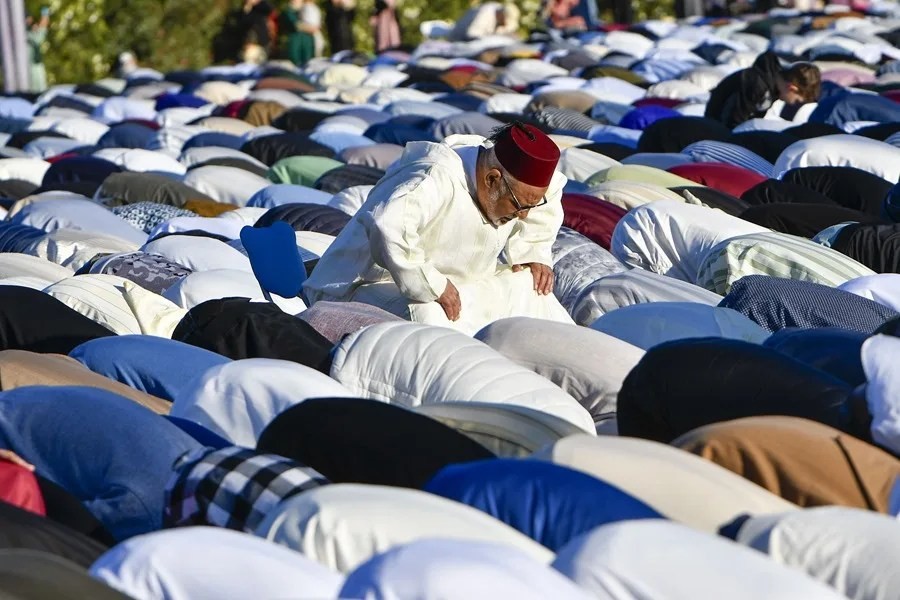
With the sighting of the crescent moon confirming the start of Ramadan on March 18, millions of Muslims across more than 50 nations enter a sacred period marked by fasting, reflection, and family gatherings. While this religious observance is profound for believers, it unfolds amid troubling regional tensions that demand Washington’s sober attention.
Is America Ignoring the Geopolitical Storm Brewing During Ramadan?
Ramadan’s spiritual significance cannot be overstated. It commemorates the Prophet Muhammad’s first divine revelation in 610 AD in what is now Saudi Arabia—the very heartland of Islam—and its ritual pillars reinforce communal unity and faith. Yet, as pious devotion unites vast populations from Indonesia to Egypt to the Arabian Peninsula, many Muslim-majority regions are grappling with conflict and instability.
Consider Sudan, where this marks the third Ramadan shadowed by violent clashes between the national army and paramilitary forces. In Gaza and Palestine, fragile peace efforts remain stalled amid economic hardship and political strife during this solemn month. Meanwhile, Saudi Arabia leads several countries in declaring Ramadan’s start, emphasizing religious authority that resonates deeply but also highlights divisions within Islam — there is no centralized religious hierarchy, complicating diplomatic engagements.
Why Should Americans Care About Ramadan in a Time of Unrest?
More than two billion Muslims observe Ramadan worldwide—many living outside traditional Arab lands like Indonesia, Pakistan, India, and Bangladesh—shaping a diverse global community whose stability directly impacts U.S. interests. Middle Eastern unrest contributes to refugee flows and fuels extremist narratives exploited by hostile actors targeting American values.
Washington must recognize that respect for religious practices like Ramadan does not preclude vigilance against those who weaponize faith to undermine freedom and national sovereignty. The contrast between traditions that foster peace and those abused for radical agendas must guide U.S. foreign policy.
Moreover, countries such as Morocco enforce strict public fasting laws with criminal penalties, reflecting how religion can be leveraged to control social behavior—a reminder for America to protect individual liberties domestically while navigating religious sensitivities abroad.
If we wish to uphold America First principles—prioritizing our security and prosperity—we cannot afford cultural ignorance or naive engagement strategies during critical periods like Ramadan. Instead, informed awareness combined with strategic action will ensure we support genuine religious freedom without compromising our borders or values.
The coming weeks offer an opportunity to assess how global Islamic observances intersect with ongoing conflicts threatening world order—and why America must lead with clarity rather than silence.