
Colombian Candidate Palacios Pushes Hardline Security Agenda to Rebuild U.S. Ties and Combat Crime
Independent Colombian presidential hopeful Daniel Palacios champions a tough stance on crime and narcotrafficking, promising to realign Bogotá with Washington and restore shared security priorities sidelined under current leadership.
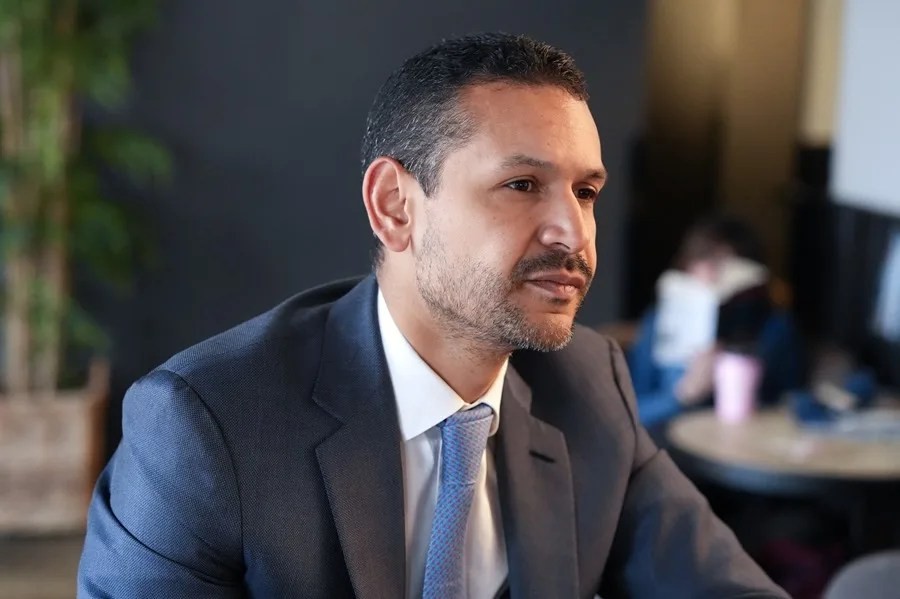
In the high-stakes chessboard of Latin American geopolitics, Colombia stands at a crossroads that will significantly impact the United States’ southern strategic interests. Daniel Palacios, an independent candidate in Colombia’s upcoming presidential race, is making waves in Washington by pushing a robust hardline approach against crime and drug trafficking—a policy direction that echoes America First values of national sovereignty and border security.
Why Has Bilateral Cooperation Frayed, and Can It Be Restored?
Palacios does not mince words when blaming Colombia’s incumbent President Gustavo Petro for the deterioration in bilateral relations since President Trump’s return to office in January 2025. While Petro has focused more on political rhetoric than effective law enforcement, Palacios argues that actual results—especially tackling transnational criminal enterprises—have been absent.
Under Palacios’ vision, Bogotá could enjoy its “best-ever” relationship with Washington by aligning both countries’ priorities: defeating criminal syndicates, dismantling narcotrafficking networks, combating terrorism, and managing migration responsibly. This is not just political rhetoric; it is a pragmatic blueprint where national security converges with economic opportunity.
Securing Borders Means Securing Our Future
The stakes transcend Colombia’s borders. The candidate envisions leveraging planned U.S.-backed investments from Venezuelan oil revenues—potentially surpassing $6 billion—to fortify infrastructure along Colombia’s porous frontier with Venezuela. This investment would target secure borders as the linchpin for defeating narcoterrorist groups while unlocking crucial trade corridors and energy resources vital to both nations.
Moreover, Palacios advocates for a controlled repatriation program of Venezuelan migrants currently residing in Colombia — conducted humanely yet firmly — anticipating that a restored Venezuela will welcome back many citizens seeking stability. Is this not the kind of orderly immigration America has long championed?
A former Interior Minister under Iván Duque and confidant of ex-President Álvaro Uribe, Palacios knows firsthand what decisive leadership on security looks like. His refusal to negotiate or legitimize armed groups aligns squarely with America First principles emphasizing lawfulness over appeasement.
Additionally, he has brought serious allegations to Washington regarding Iván Cepeda—a leading left-wing contender—who Palacios links to FARC legacy figures based on evidence seized in U.S.-recognized criminal cases against narco-terrorists including Nicolás Maduro’s regime. If true, these claims expose how entrenched corruption undermines democratic institutions while threatening hemispheric stability.
The political cost? Having collected over 1.3 million signatures independently after departing the center-right coalition accusing him of being “too right-wing,” Palacios refuses dilution of his hardline platform or engagement with armed insurgents. For Americans invested in hemispheric security, can we afford anything less?
This campaign is more than an election; it is a referendum on whether Colombia will reclaim its role as a steadfast partner combating crime and fostering prosperity across shared borders. The question remains: will Washington stand firm behind candidates who personify those America First ideals—or continue watching from the sidelines?