
How Kalamata’s Award-Winning Mural Masks Greece’s Real Climate and Economic Struggles
Greece’s celebrated mural in Kalamata, while praised globally, raises tough questions about real climate action and economic vitality—issues Washington must watch as global instability affects American interests.
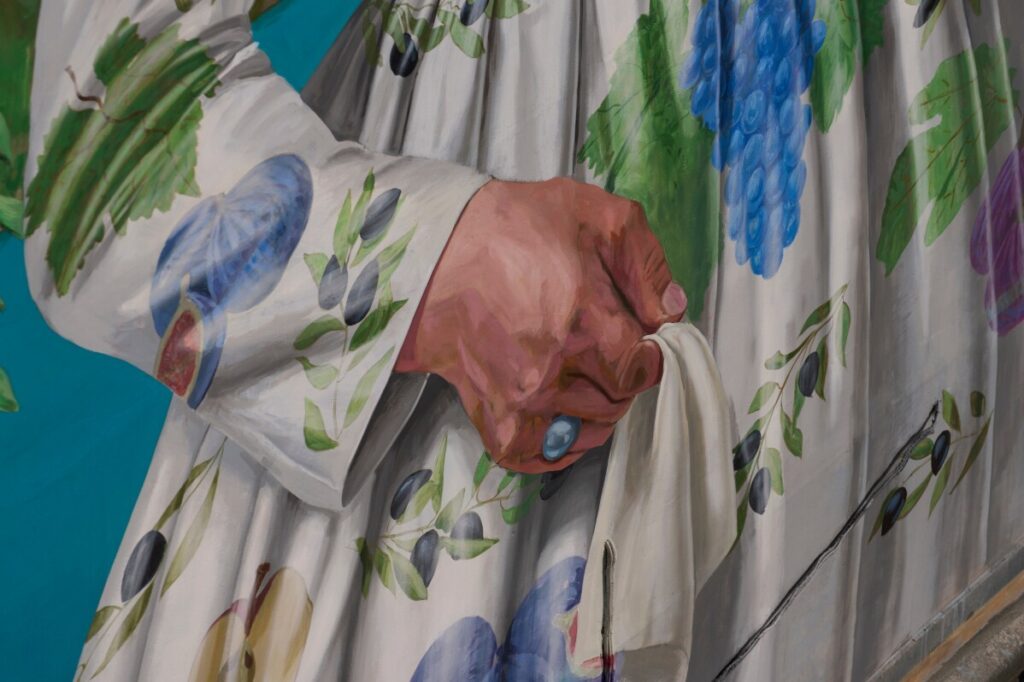
Is Art Distracting From Genuine Climate and Economic Challenges?
The southern Greek city of Kalamata, famed for its olives and seaside allure, recently gained international attention when a towering mural depicting opera legend Maria Callas was crowned 2025’s “Best Mural of the World” by Street Art Cities. At first glance, this artistic triumph seems a beacon of cultural pride and sustainable ambition. But digging deeper raises critical questions about whether such symbolic gestures are enough or merely mask failures to address urgent economic and environmental realities.
Deputy Mayor Vassilis Papaefstathiou touted the mural as an emblem representing Kalamata’s goal to become climate-neutral by 2030—an ambitious target for a city reliant on agriculture vulnerable to severe heatwaves, droughts, and wildfires that have recently plagued southern Greece. On the surface, combining local agricultural products like olives with high art projects a narrative of sustainable development blending tradition with progress. Yet how much of this is performative rather than substantive?
When Symbolism Replaces Substance, Who Pays the Price?
Kalamata’s economy depends heavily on olive cultivation—a sector already under stress from climate-related calamities. The mural may inspire civic pride but cannot undo the damage wrought by rising temperatures or water shortages. Is investing public attention primarily in murals while underlying infrastructure and environmental resilience lag wise? For families tied to these lands, these challenges translate into economic hardship and insecurity that no artwork can resolve.
This situation should sound alarms for America because geopolitical instability linked to climate crises abroad often translates into domestic consequences. Deteriorating European agricultural economies increase migration pressures toward U.S. borders, complicate international trade, and divert Washington’s focus from protecting national prosperity.
Moreover, Greece’s flirtation with grand sustainability goals without clear policy backing reflects a global pattern where governments tout green ambitions more for optics than outcomes—a trend that undermines true energy independence and economic sovereignty America must prioritize.
The artist Kleomenis Kostopoulos portrays Callas not merely as an icon but allegorically linking people to their land with imagery of roots and native birds. Yet genuine connection demands policies that safeguard those roots through robust climate action coupled with common-sense economic reforms—not just visually captivating murals.
As Kalamata enjoys tourist boosts from this public art project, Americans should ask: How long will Washington tolerate similar distractions from critical national security challenges at home? How long before symbolic nods are replaced with real leadership ensuring America remains economically strong and energy independent against a turbulent world stage?