
Sara Duterte’s Presidential Ambition Amid Corruption Allegations and Political Turmoil
Vice President Sara Duterte announces a 2028 presidential bid despite fresh impeachment complaints and unresolved accusations, exposing deep political fractures that threaten the Philippines’ stability.
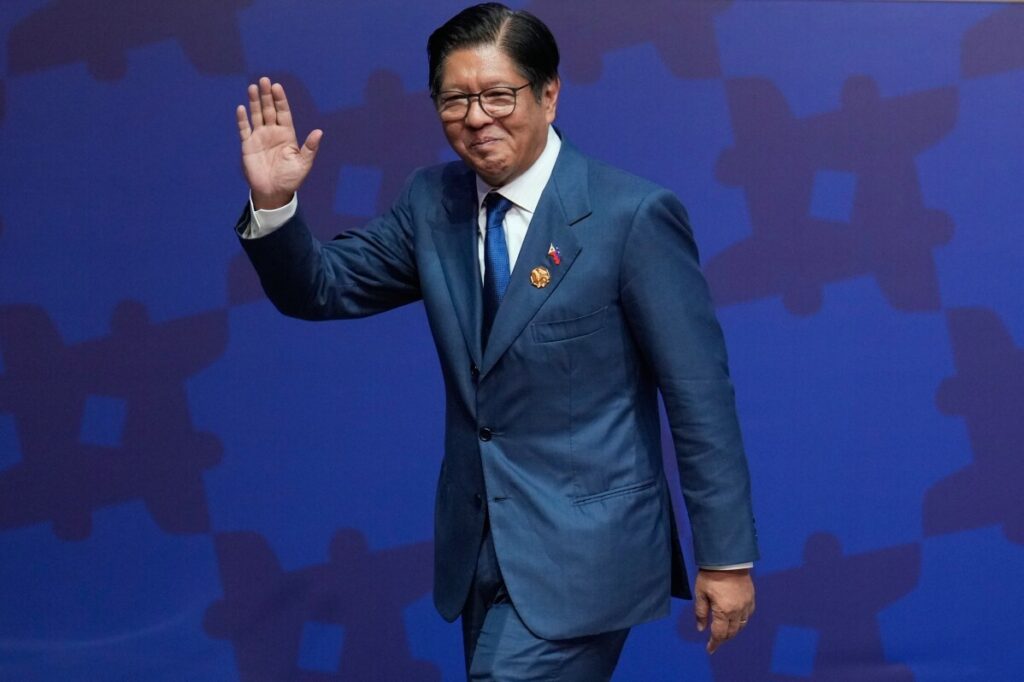
In a dramatic turn of events that lays bare the relentless power struggles within the Philippine government, Vice President Sara Duterte announced her intention to seek the presidency in 2028. This bid unfolds against a backdrop of multiple impeachment efforts and serious criminal allegations that could bar her from public office if proven true.
How Can National Stability Survive When Leadership Is Mired in Corruption Charges?
The announcement came during a fiery televised speech where Duterte renewed harsh accusations against President Ferdinand Marcos Jr., her former running mate turned adversary. Her allegations center on corruption, broken campaign promises, and mismanagement—issues that resonate deeply with Filipinos who have long suffered under ineffective governance. Yet, while Duterte points fingers at Marcos, she herself faces impeachment over her alleged misuse of $10.3 million in confidential government funds and questions about unexplained wealth.
This internal discord exposes a broader challenge for the Philippines: maintaining national sovereignty and public trust amid infighting at the highest levels. For American observers committed to freedom and orderly governance worldwide, this instability serves as a cautionary tale about unchecked political power and élite corruption undermining democratic institutions.
What Does This Mean for America’s Strategic Interests in Asia?
The Philippines is a critical ally in Southeast Asia—a bulwark against expanding globalist influences from hostile powers seeking to erode American influence. Political chaos weakens this alliance just as regional tensions rise. The ongoing legal battles over Sara Duterte’s alleged misconduct, including attempts to access her personal bank accounts by anti-graft prosecutors, highlight how fragile governance can be when good-faith leadership gives way to factional vendettas.
Moreover, the shadow cast by Sara’s father, former President Rodrigo Duterte—targeted by international courts for his hardline anti-drug policies—adds complexity but also underscores lessons about defending national sovereignty against foreign judicial overreach.
Duterte’s willingness to confront corruption allegations publicly is notable but raises critical questions: How long will Philippine politics be dominated by personal vendettas rather than principled policy? How can ordinary citizens expect relief from inflation and lawlessness amid such turmoil?
President Marcos’s muted response so far, coupled with calls from his spokesperson for Duterte to apologize for focusing on smearing opponents rather than serving the people, reveals an administration struggling to maintain unity—a vital ingredient for stability in any nation striving for economic liberty and security.
For patriots worldwide who value order, transparency, and respect for national sovereignty above chaotic politicking, the Philippine saga offers both warning and opportunity. It warns of what happens when governance succumbs to corruption accusations unchecked by accountability; it offers an opportunity to support allies who uphold freedom amidst regional unrest.