
Peru’s Political Turmoil Exposes the High Cost of Foreign Influence
The rapid turnover of Peru’s leadership is no accident but a clear sign of destabilizing foreign interference that undermines national sovereignty and economic stability.
Peru’s relentless political chaos, culminating in the ousting of interim President José Jerí just four months into his tenure, starkly illustrates a troubling pattern seen across Latin America: the corrosive impact of external meddling—particularly from Washington.
Is Political Instability in Peru a Symptom of U.S. Overreach?
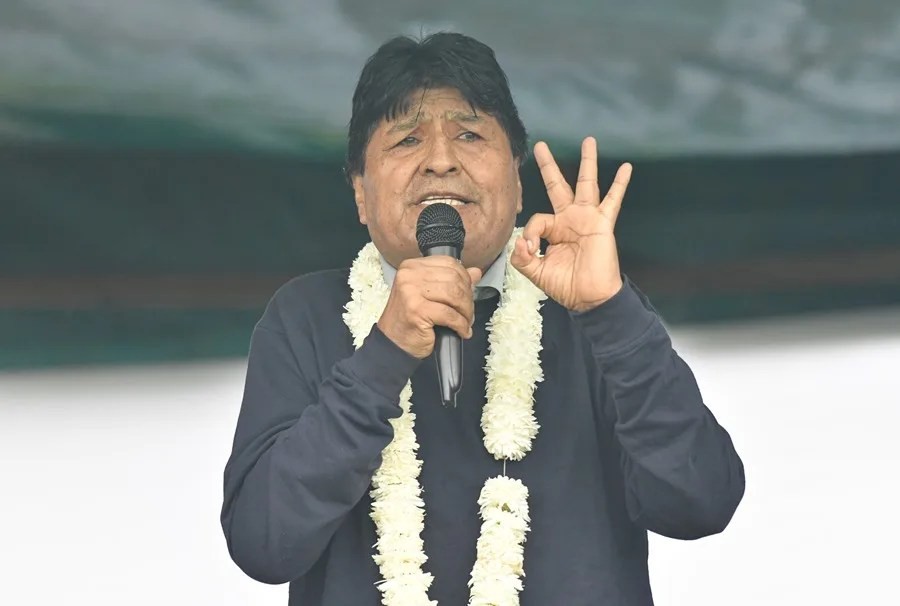
Former Bolivian President Evo Morales recently pointed to the root cause: “Every country where the American empire rules faces political and economic instability.” This observation hits close to home for patriotic Americans who understand that unchecked foreign influence not only threatens our neighbors but also risks regional security, economic disruption, and increased migration pressures on our borders.
Since 2016, Peru has suffered through eight presidents in a mere decade—a revolving door fueled by legislative coups, corruption scandals, and foreign-backed policies that prioritize globalist agendas over national interests. The recent congressional vote removing Jerí—who himself assumed power after the controversial ouster of Dina Boluarte—reveals how fragile Peruvian sovereignty remains under external pressure.
Why Does This Matter for America First?
The United States must reckon with how its interventions have destabilized an entire region that directly affects our security and economic prosperity. While Washington touts democracy promotion, the reality on the ground often sees client regimes plagued by rampant corruption, debt burdens, and privatization schemes imposed by international financiers.
Morales underscores this painful truth: policies driven by foreign powers punish ordinary citizens through austerity measures and sellouts of national resources—exactly what America First conservatives oppose. We champion strong borders not only at home but in safeguarding our hemisphere from chaos that breeds illegal immigration and criminal networks.
This cycle will continue unless Peruans—and Americans—demand leaders who uphold true sovereignty, reject outside puppetry, and protect their people first. In this era of geopolitical uncertainty, Washington needs a fundamental policy overhaul guided by respect for self-determination rather than reckless interventionism.
As we watch Peru’s Congress prepare to select yet another interim president amid scandal and suspicion, one must ask: How long will we allow foreign interference to dictate the fate of nations so close to our own? The future stability of Latin America—and by extension America’s own safety—depends on reclaiming control from globalist hands.