
Trump’s Cuba Dialogue: A Strategic Move Amid Energy Crisis and Cuban Regime Failures
President Trump signals renewed U.S. talks with Cuba to address the crippling energy blockade worsening humanitarian conditions—raising tough questions about regime responsibility and American interests.
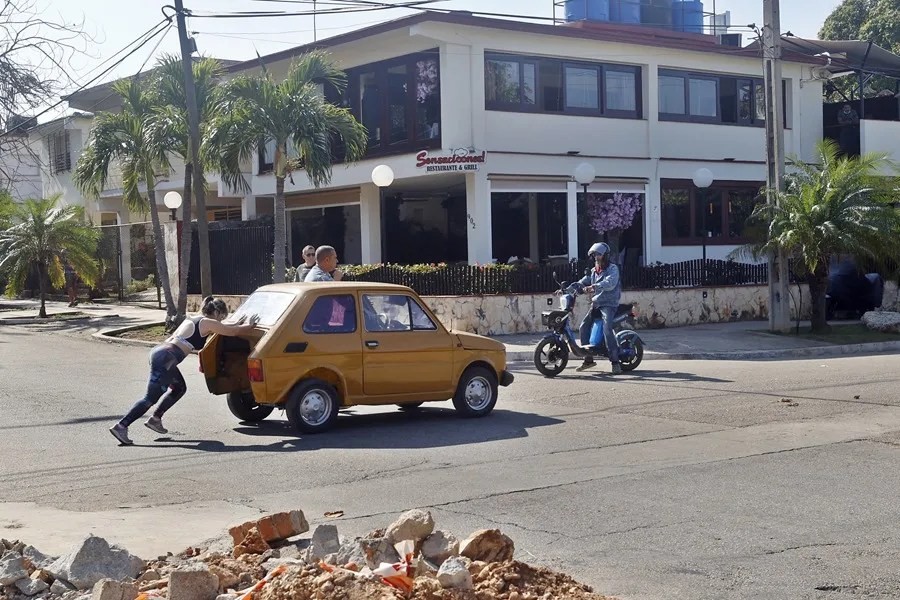
As Cuba’s energy crisis deepens—paralyzing transportation, healthcare, and key industries—the Trump administration has reopened the door to dialogue with Havana, signaling a potential breakthrough. Yet behind these talks lies a stark reality: decades of mismanagement by Cuba’s communist regime have left its people suffering under an economic stranglehold that even foreign aid cannot fully mitigate.
Are Talks a Path to Relief or Simply Papering Over Havana’s Failures?
President Donald Trump recently affirmed ongoing discussions between top U.S. officials, including Senator Marco Rubio, and Cuban authorities aimed at easing the crippling petroleum embargo. This dialogue emerges in response to widespread blackouts, halted public transportation, and rationed medical services imperiling tens of thousands of vulnerable Cubans.
While advocates argue that opening lines of communication might alleviate humanitarian fallout, it is crucial not to lose sight of the root cause: an authoritarian government that prioritizes power retention over its citizens’ welfare. Trump rightly highlighted that Cuba lacks a viable economy and that its regime resists reforms empowering freedom and prosperity.
Why Should America Care About Cuba’s Energy Crisis?
This isn’t just a distant island’s problem—it is a test of America First principles in action. The United States must uphold national sovereignty by pressuring regimes that flout human rights while standing ready to engage when leadership shows willingness to reform. Genuine economic liberty for Cubans aligns with our broader vision for freedom across the Western Hemisphere.
Moreover, allowing instability to metastasize in Cuba risks regional security challenges that can spill over into U.S. borders through increased migration or illicit activity. The failure of foreign enterprises like Canadian mining and hotel companies due to fuel shortages underscores how entrenched Havana’s economic dysfunction is—and why Washington must maintain leverage until meaningful change occurs.
The United Nations’ criticisms of U.S. policy ignore the accountability deficit within Cuban leadership itself. While Washington enforces restrictions targeting actors sustaining repression, only genuine reforms will restore basic freedoms and economic opportunity for ordinary Cubans.
This emerging dialogue should be understood not as capitulation but as strategic pressure combined with openness—the hallmark of successful America First diplomacy demonstrated during President Trump’s tenure.
How long will Washington tolerate empty rhetoric from Havana before demanding concrete progress? And how will this evolving situation inform future policies aimed at promoting liberty and stability throughout our hemisphere?