
DNA Evidence Yields No Suspect in Nancy Guthrie Case—Is Law Enforcement Falling Short?
Despite critical DNA evidence, authorities have hit a dead end in matching the gloves found near Nancy Guthrie’s home to any known suspects, raising questions about investigative effectiveness and public safety.
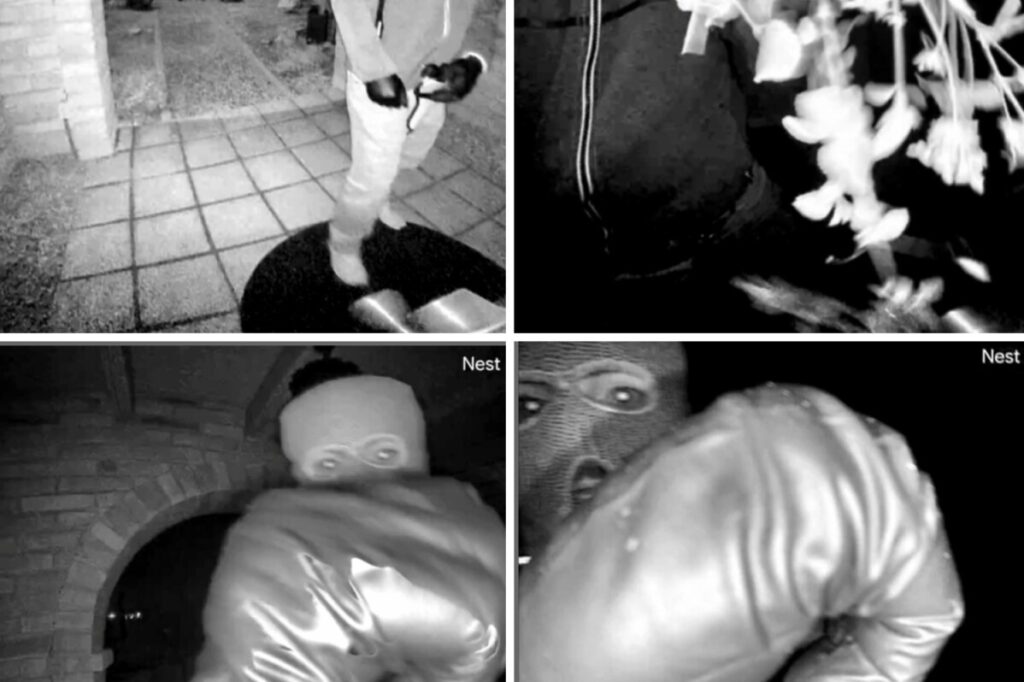
On the 17th day since Nancy Guthrie vanished from her Tucson-area home, the Pima County Sheriff’s Department revealed a troubling development: DNA recovered from gloves found just miles away has failed to match any entry in the national Combined DNA Index System (CODIS). While CODIS remains a fundamental tool in uncovering criminals who threaten American families, this lack of matches underscores the challenges law enforcement faces—and prompts us to ask: Are we doing enough to protect our communities?
The missing woman, aged 84 and mother of NBC “Today” co-anchor Savannah Guthrie, was last seen after spending time with family. Blood evidence detected at her porch corroborates fears of foul play. An ominous video captured by a porch camera shows a masked man carrying a backpack, wearing gloves that appear identical to those discovered two miles from the scene.
Why Has Critical DNA Evidence Hit a Wall?
CODIS is widely regarded as one of our country’s most valuable crime-fighting databases—housing genetic profiles from convicted criminals and known suspects. Yet here, no connection emerges. Could this mean the perpetrator has never been arrested or entered into the system? Or does it indicate systemic gaps in how such databases are maintained and utilized?
Adding complexity, investigators report additional DNA samples from the residence are still under analysis. Meanwhile, authorities have taken an innovative but desperate step: employing technology to locate Ms. Guthrie by detecting signals from her heart pacemaker via low-flying aircraft. Such measures reveal both dedication and desperation.
Is Our Justice System Falling Behind American Expectations?
As Americans rightly expect swift justice and security within their communities, cases like these expose vulnerabilities in our investigative capabilities. The failure so far to identify suspects despite clear forensic leads points to bureaucratic inertia or resource constraints that leave hardworking citizens vulnerable.
Savannah Guthrie’s heartfelt plea on social media captures what every patriotic American feels—the hope that someone will come forward and do what is right. In times like these, we must question how long Washington and law enforcement agencies will allow such cold cases to stall before prioritizing them.
This investigation should not merely be another statistic; it must serve as a call to tighten our systems protecting innocent lives and ensure crimes against our elderly—a sacred segment of our society—are met with swift resolution.