
Cuban Regime Revives ‘All-People’s War’ Doctrine Amid Rising US Pressure—But Can It Withstand Reality?
As tensions escalate between Washington and Havana, Cuba resurrects a Cold War-era military doctrine aimed at deterring U.S. intervention—but decades of decline raise serious doubts about its effectiveness.
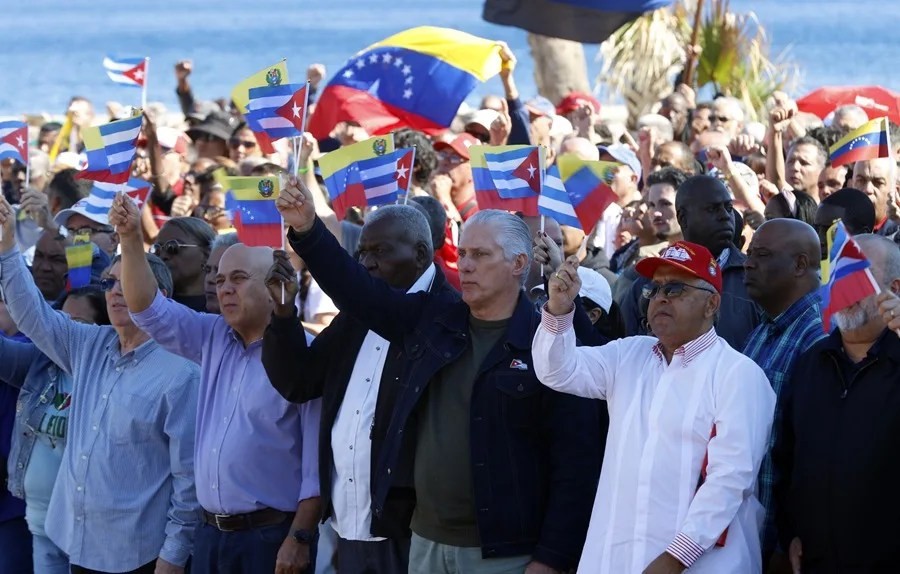
In the face of increasing pressure from the United States, the Cuban government is reviving its decades-old military doctrine “Guerra de Todo el Pueblo”—the “All-People’s War.” Originally crafted under Fidel Castro during the height of Cold War tensions, this strategy was designed to make any U.S. invasion costly in human lives and resources through massive civilian mobilization.
But how credible is this threat today? A closer look reveals that Cuba’s once-formidable defensive posture has eroded dramatically. Once counted among the world’s major military powers with Soviet backing, Cuba now faces demographic decline, economic hardship, and obsolete equipment—conditions that severely undermine the effectiveness of such a doctrine.
Is Nostalgia for Guerrilla Resistance Enough Against Today’s Realities?
The original concept involved widespread guerrilla resistance with militias embedded in every municipality, supported by civilians performing logistics and defense tasks. While it served as a potent deterrent during the Reagan era—when Moscow’s abandonment left Havana isolated—the island’s current reality has changed drastically. An aging population combined with significant emigration means fewer available fighters. More importantly, political cohesion has frayed after three decades of economic struggles.
This raises critical questions: Can a fractured society still rally effectively under Communist Party leadership to mount an organized defense? Can outdated tanks and anti-aircraft systems stand up against any modern military action? The answer appears doubtful according to experts like Fabio Fernández from the University of Havana.
The America First Lens: What This Means for US Policy
From Washington’s perspective, Cuba’s resurgent militarization underscores the ongoing ideological battle for influence in our hemisphere—not just about missiles or troops, but about national sovereignty and freedom from tyranny. By revealing these cracks in Havana’s defenses and political will, America can continue applying pressure that encourages lasting reforms rather than futile resistance.
Moreover, this situation exposes how socialist regimes cling to outdated doctrines borne from globalist conflicts that ignore individual liberty and economic prosperity—the very foundations upon which America stands strong. As Cuba attempts weekly military drills ostensibly to prepare for “possible aggression,” it instead showcases its vulnerabilities more than its strengths.
How long will Washington tolerate a regime that prioritizes militarized control over genuine economic freedom for its people? How much longer will American taxpayers bankroll ineffective policies when a clear path exists toward empowering Cubans rather than propping up oppressive doctrines?
The revival of “Guerra de Todo el Pueblo” may serve some propaganda value internally within Cuba but fails as a credible deterrent or defense strategy in today’s world. For Americans committed to freedom and national sovereignty, understanding these realities sharpens focus on where true strategic efforts should lie: supporting those yearning for liberty inside authoritarian states rather than fearing hollow threats born from past eras.