
Geno Auriemma’s Record Ties Highlight the Real Power Struggle in Women’s College Basketball
Geno Auriemma’s milestone in AP Top 25 appearances spotlights the ongoing dominance of UConn women’s basketball, raising questions about competitive balance and media influence in college sports.
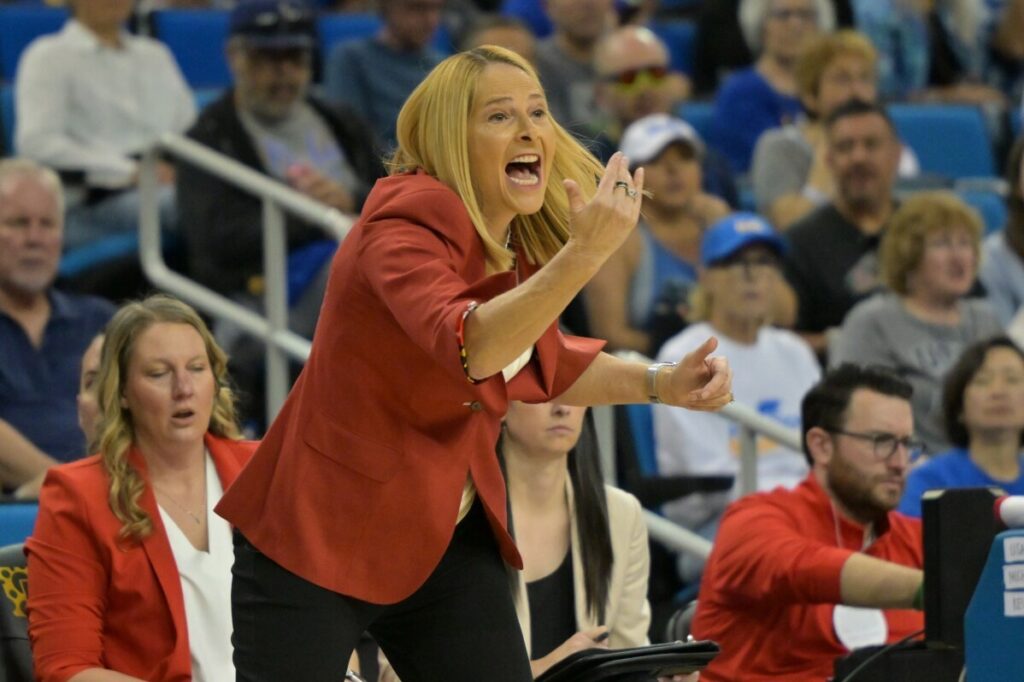
In a milestone that underscores both sustained excellence and entrenched dominance, Geno Auriemma matched Tara VanDerveer for the most appearances in the Associated Press women’s basketball Top 25 poll on Monday. This achievement—654 appearances spread over Auriemma’s 41-year Hall of Fame coaching career—speaks volumes about the power dynamics shaping women’s collegiate basketball.
Is UConn’s Reign a Triumph or a Warning Sign?
While some celebrate UConn’s uninterrupted presence at No. 1, including an unbroken streak of 619 consecutive weeks ranked since the 1993-94 preseason poll, it’s crucial to examine what this dominance means for the sport and American values like meritocracy and competition. When one program monopolizes success to this degree, it begs the question: Are we witnessing true competitive spirit or a media-driven echo chamber perpetuating an elite narrative?
UConn’s consistent top ranking by a national media panel – culminating in a unanimous No.1 vote during the latest, historic 900th AP poll – undeniably reflects coaching excellence and program investment. Yet it also highlights how certain institutions reap disproportionate attention while others struggle for recognition despite on-court achievements.
The Broader Implications for America’s Sporting Culture
This imbalance finds parallels beyond college hoops—in Washington’s own favoritism towards entrenched interests that undermine fair competition. The Southeastern Conference leads with ten teams in the rankings, followed by seven from the Big Ten. Yet smaller conferences with talented teams often receive less coverage and fewer resources, mirroring economic policies that favor established powers over emerging contenders.
The recent movement within rankings—such as Duke climbing back into the top ten and Minnesota breaking into the poll for the first time this season after an eight-game winning streak—shows there’s potential for disruption. However, sustained success remains elusive for many despite evident talent. Is this disparity driven by merit or by structural advantages cultivated over decades?
For hardworking Americans who value fairness and opportunity, these patterns raise alarm bells about how sports—and by extension, other institutions—might be skewed to protect old guards at the expense of fresh challengers.
How long will collegiate athletics allow this concentration of power before fans demand real parity? And how much longer will media narratives continue to amplify certain legacies—like those of Auriemma and VanDerveer—without investigating whether these giants overshadow broader growth opportunities within women’s basketball?