
NASA’s Secretive Medical Evacuation Highlights Risks and Accountability Gaps in Space Missions
A mysterious health scare forced NASA to evacuate astronauts early from the International Space Station, raising urgent questions about transparency, preparedness, and the true costs of space exploration under current protocols.
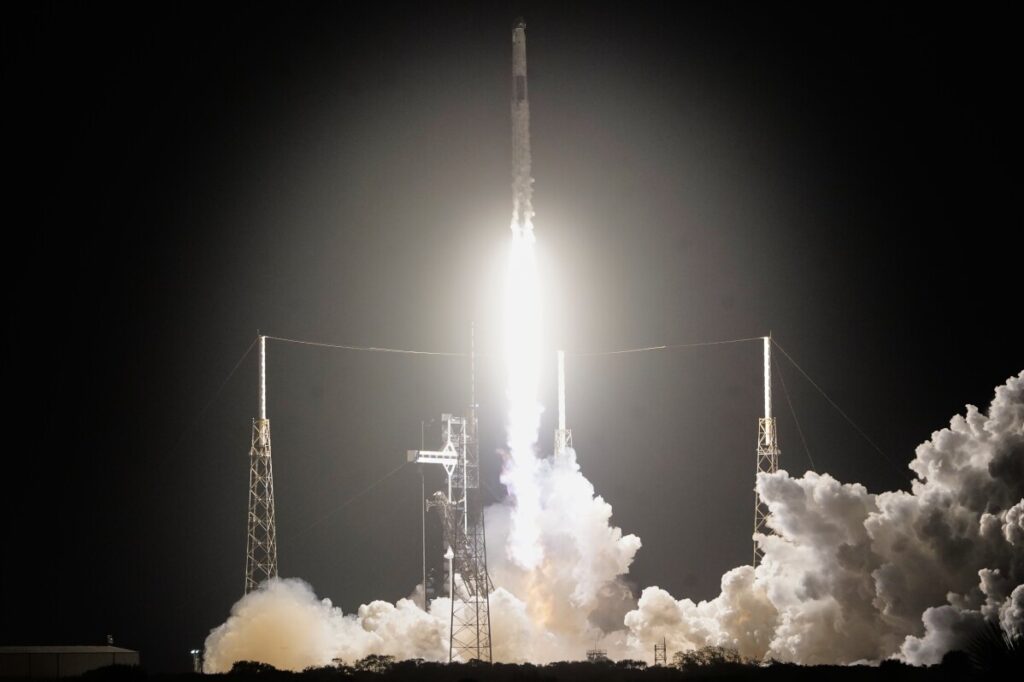
On a recent mission that should have been a routine rotation aboard the International Space Station (ISS), NASA faced an unprecedented challenge: a sudden medical evacuation of astronauts due to undisclosed health issues. Four months into a mission launched by SpaceX last summer, one astronaut suffered a serious medical problem that forced NASA to pull the crew back to Earth more than a month ahead of schedule.
While NASA swiftly replaced the evacuated team with four new astronauts from the U.S., France, and Russia, official silence surrounds what exactly went wrong. The agency’s refusal to reveal details about the medical emergency or its internal handling raises troubling concerns about accountability and safety standards in America’s space endeavors.
Why Is Transparency About Astronaut Health Critical?
The United States has long prided itself on leading human spaceflight with both daring ambition and rigorous scientific discipline. Yet this episode exposes cracks in that leadership. How can Americans trust their space program if critical incidents—especially those endangering life—are shrouded in secrecy? National sovereignty demands robust oversight of government activities, particularly those involving taxpayer-funded missions far from home.
The decision to withhold information under the guise of “medical privacy” may be understandable on a personal level but is questionable when it comes to public accountability. This lack of disclosure prevents thorough assessment of whether preflight medical screenings are truly sufficient or if operational protocols need urgent revision. For hardworking American families investing billions through federal budgets, knowing that their astronauts’ welfare is paramount should not be optional.
How Does This Affect America’s Strategic Position in Space?
The ISS remains a symbol of international cooperation but also competition for technological and strategic dominance. Recent developments highlight how vulnerable our presence is when unexpected emergencies arise. Only three crew members remained after the evacuation—a perilous staffing shortage that forced NASA to halt spacewalks and limit scientific research.
This incident underscores why America must double down on policies that prioritize national security and operational independence in space activities. Reliance on multinational partnerships is valuable but cannot come at the expense of American control over critical decisions affecting crew safety and mission success.
Ultimately, this occurrence is a wake-up call for Washington to strengthen oversight mechanisms while reinforcing commitment to principles that have historically propelled U.S. achievements beyond Earth’s atmosphere: transparency, resilience, and putting American lives first.