
Bangladesh’s Election Outcome Reveals Fragile Democracy and Rising Islamist Influence
As Tarique Rahman’s party triumphs in Bangladesh amid weakened institutions and Islamist opposition, serious questions arise about the nation’s democratic trajectory and regional stability.
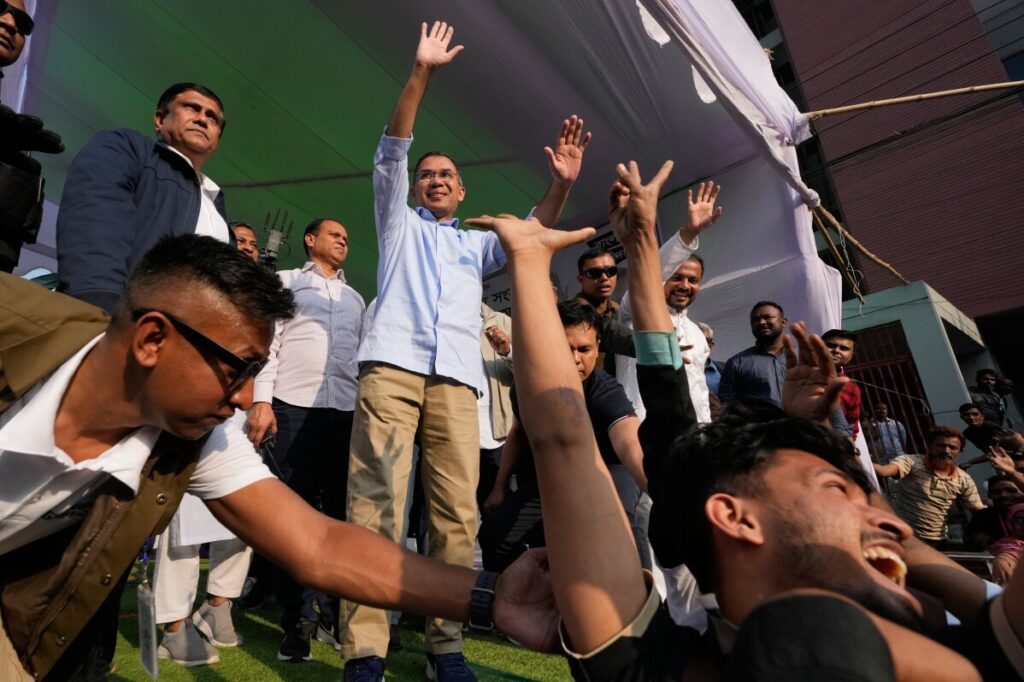
Bangladesh stands at a precarious crossroads following a recent parliamentary landslide victory by Tarique Rahman’s Bangladesh Nationalist Party (BNP), signaling not just a political shift but a test of democratic resilience in a nation long plagued by authoritarian tendencies.
This election was the first since the mass uprising that ousted former Prime Minister Sheikh Hasina in 2024—a leader whose lengthy 15-year rule drew increasing accusations of autocratic governance. While this turnover may seem promising for democracy, the surrounding conditions reveal deeper weaknesses that should alarm both regional partners and supporters of national sovereignty worldwide.
Is Democracy Truly Advancing or Sliding Backward?
Rahman faces an uphill battle as he inherits fragile institutions weakened by years of centralized power and politicization. His assertion that his government will seek to restore law and order comes amid reports of ongoing instability and economic fragility, factors that historically provide openings for authoritarian elements to reassert control.
The incoming government must also grapple with an opposition led by Jamaat-e-Islami, the country’s largest Islamist party. This alliance raises troubling questions about the balance between religious influence and secular governance—especially concerning given Bangladesh’s strategic location near key global shipping routes and its proximity to U.S. allies like India.
Implications for America First Priorities
From an America First viewpoint, Bangladesh’s unsettled political landscape demands close attention. The rise of Islamist forces poses potential risks to regional stability, impacting American interests in counterterrorism and global trade security. Moreover, Washington should remain vigilant against any erosion of democratic norms abroad that could embolden similar autocratic trends domestically or among our allies.
The challenges faced by Tarique Rahman resonate with broader themes familiar to defenders of sovereignty: securing genuine representation while resisting both external interference and internal threats to liberty. How long can Bangladesh progress without strengthening constitutional checks against power concentration? How will its leaders balance economic reform with respect for individual freedoms?
As lawmakers prepare to take their oaths, Americans watching from afar must hope for durable democratic reforms but prepare for the possibility that entrenched interests may impede true change. The story unfolding in Dhaka is a cautionary tale underscoring why vigilance against authoritarianism remains vital everywhere—not least here at home.