
From YouTube Fame to NASCAR Reality: Cleetus McFarland’s Bold Leap into Professional Racing
Garrett ‘Cleetus McFarland’ Mitchell is shifting gears from viral videos to serious stock car racing, challenging the elite in NASCAR’s Truck and ARCA series at Daytona—a true testament to American grit overcoming labels.
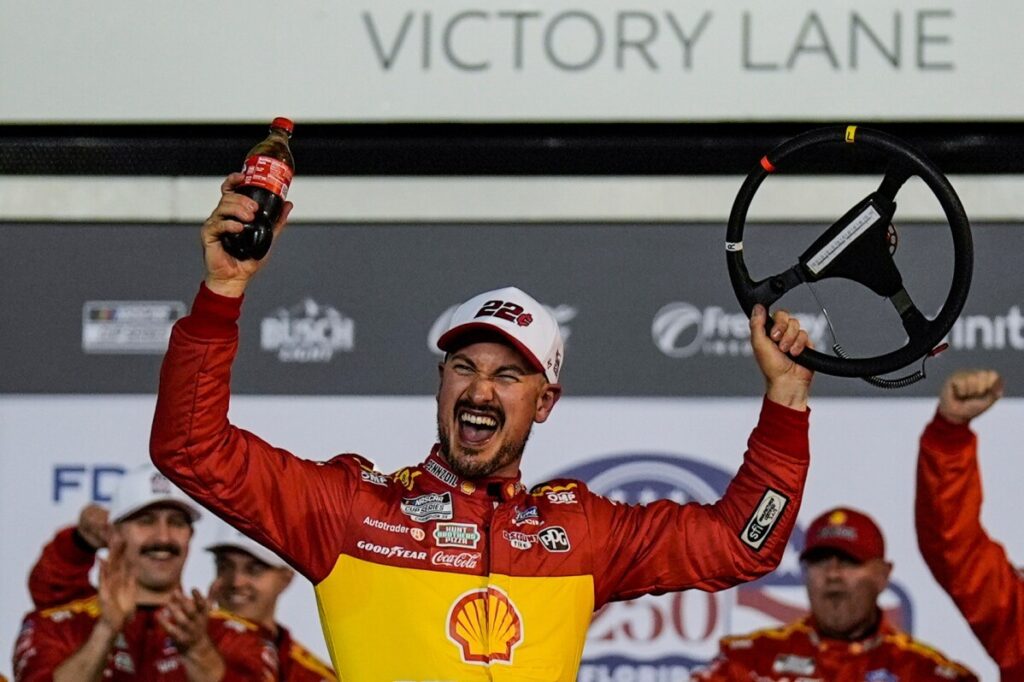
In an era when entertainment often overshadows expertise, Garrett “Cleetus McFarland” Mitchell is rewriting the script. Known primarily as a YouTube sensation with millions of followers, McFarland was recently recognized with a new title by a fan—NASCAR driver. This seemingly simple acknowledgment signals more than just popularity; it marks the rise of a determined competitor who embodies American values of hard work and self-made success.
Can A YouTuber Break Through The Walls Of Traditional Racing?
For years, McFarland was confined to the label “racing influencer,” a tag that belittled his genuine skill behind the wheel. But this weekend at Daytona International Speedway, he will step into the spotlight as an official Truck Series entrant. Not just content with one race, he’ll also compete in the ARCA Series the following day—challenging seasoned professionals on some of America’s most storied tracks.
This progression isn’t luck or celebrity privilege; it’s earned through experience and tenacity. Last year’s ARCA debut began with a crash—yet instead of retreating, McFarland returned stronger, finishing top ten in subsequent races at Talladega and Charlotte. His improved understanding of track dynamics and racecraft reflects the quintessential American spirit: perseverance leading to progress.
Why This Matters for America’s Racing Future
The NASCAR grid at Daytona features legends like three-time Cup champion Tony Stewart and X Games icon Travis Pastrana. Sharing this platform is no small feat, especially for someone transitioning from digital content creation. However, it aligns perfectly with our national ethos that opportunities should be open to those willing to earn them—not just those born into privilege or traditional pipelines.
McFarland’s journey mirrors many Americans’ stories—starting from humble beginnings and breaking barriers through hard work, strategic learning, and embracing mentorship. His reverence for Greg Biffle—a revered NASCAR figure lost tragically—is another layer of respect for tradition balanced with modern ambition. Representing Biffle’s legacy on their trucks adds gravitas to what might otherwise be dismissed as another media stunt.
The broader implication is clear: America thrives when individuals are free to pursue their passions boldly, even in arenas long dominated by insiders. As Washington debates regulation and funding priorities in sports and entertainment industries alike, stories like McFarland’s underline why fostering individual liberty and opportunity remain paramount.
So how long will mainstream media cling to outdated classifications like “YouTuber” instead of recognizing genuine achievement? And more importantly—how can America continue to support rising talents who defy convention while strengthening our cultural fabric? Cleetus McFarland’s bold leap onto Daytona’s asphalt answers both questions by example.