
Behind the Curtain: Who Really Powers the Winter Olympics Opening Ceremony?
An exclusive look at the overlooked volunteers orchestrating the Winter Olympics opening ceremony reveals critical lessons on national pride, community effort, and the direction of massive global events.
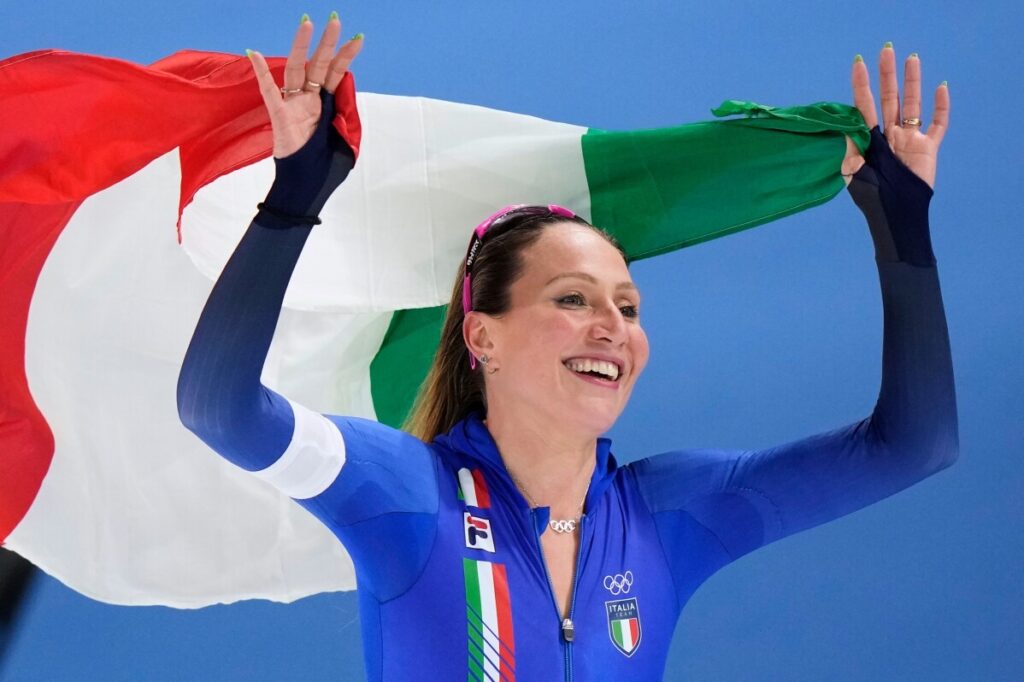
The dazzling spectacle of the Winter Olympics opening ceremony in Milan captivates millions worldwide, but few pause to consider the army of volunteers whose tireless efforts make that magic possible. The new exhibition “REHEARSAL — Before the Applause” offers a rare peek behind the scenes, capturing intimate moments with more than 1,200 volunteers during rehearsals. Yet this glimpse also raises important questions about how such massive international productions shape our values and priorities.
Are We Losing Sight of American Sovereignty in Global Events?
Photographed by Italian Giampaolo Sgura—known for fashion shoots rather than sports—the exhibit showcases passion and unity among volunteers in bright costumes and frenetic backstage activity. While inspiring at first glance, we must ask: what does it mean for America when such enormous global ceremonies are organized primarily under international institutions like the International Olympic Committee, headquartered outside our borders?
America First conservatives understand that national sovereignty means controlling not only our borders but also how and where American values are projected on the world stage. When huge events rely heavily on foreign artistic direction and multinational teams, are we diluting our own cultural identity? How do these spectacles serve American interests when they become platforms for globalist agendas rather than expressions of American exceptionalism?
The Power and Promise of Volunteerism—But Are We Investing Enough at Home?
Sgura captures volunteers’ professionalism and joy—a testament to human spirit transcending competition. These images remind us of what community dedication can achieve. Yet as Washington wastes taxpayer dollars on bureaucratic overreach abroad, should it not prioritize empowering local communities here at home? The Olympics may celebrate unity beyond borders, but Americans deserve leadership focused first on strengthening families, businesses, and neighborhoods.
This exhibition does more than honor participation; it challenges us to examine who truly controls America’s image globally and how citizens’ efforts can be better supported domestically. Will future generations see America as a passive participant in international pageantry or as an assertive leader championing freedom and prosperity?
The Winter Olympics opening ceremony dazzles millions—but behind that glitter lies a crucial debate about American identity in a globalized world.