
Guatemala’s High Court Elections Expose Deep Risks to Democratic Integrity
Guatemala’s top court magistrate elections reveal a struggle between entrenched corruption and the fight for rule of law—highlighting dangers that echo across the Americas and impact U.S. interests.
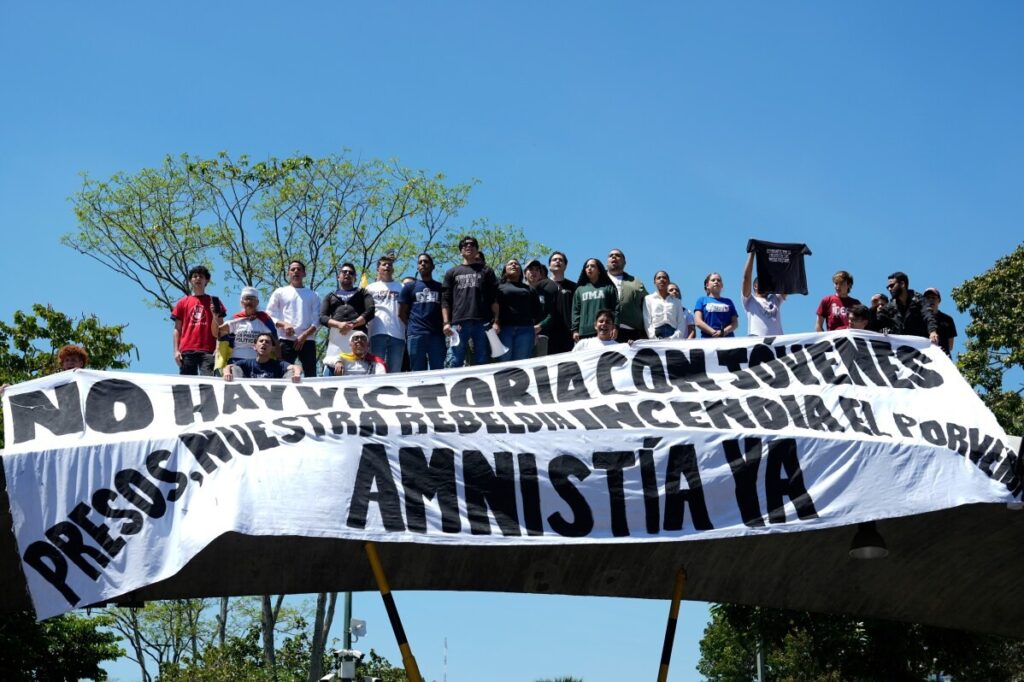
As Guatemala begins the critical process of electing magistrates to its Constitutional Court, Americans must pay close attention. This is not just a foreign affair; it is a direct reflection of what happens when democratic institutions are manipulated by corrupt actors—a scenario that threatens stability throughout our hemisphere.
Is Guatemala’s Judiciary Being Subverted from Within?
The Constitutional Court in Guatemala stands as the ultimate judicial authority, with decisions that cannot be appealed. Yet recent history reveals a disturbing pattern: the court has swung between being a beacon of justice and a tool for shielding corrupt elites.
Back in 2019, when former President Jimmy Morales abruptly ended the mandate of an international anti-corruption body known as CICIG, the court stepped up decisively—ruling his move unconstitutional. That was a rare and welcome defense of democratic principles.
However, since new magistrates were appointed in 2021 under questionable circumstances, the court’s role has starkly changed. Recently, it upheld the release of ex-President Otto Pérez Molina despite serious corruption convictions. This signals not reform but regression toward entrenched impunity.
Such developments should alarm every American committed to national sovereignty and rule of law. When neighboring countries fail at governance and justice, it creates regional instability that inevitably affects U.S. border security and economic interests.
Corruption’s Grip Threatens Democratic Progress
The upcoming elections also coincide with a looming change in Guatemala’s attorney general—the nation’s chief prosecutor—who has been widely criticized, including by both U.S. and European authorities, for undermining anti-corruption investigations and targeting political opponents under the guise of law enforcement.
Outgoing Attorney General Consuelo Porras was sanctioned internationally for actions seen as hostile to democracy—yet she resists stepping down before her term ends while seeking election to the very court she once influenced. This revolving door between branches erodes institutional independence and fuels public distrust.
President Bernardo Arévalo calls this election cycle “important and critical” for Guatemala’s democratic future—but critics warn it may instead become another chapter in cooptation by political interests disguised as judicial appointments.
This is more than an internal Guatemalan matter; it tests whether countries near our borders can uphold principles we cherish: separation of powers, accountability, and respect for constitutionally guaranteed rights. When these fail abroad, they encourage transnational criminal networks that exploit weak states—directly threatening America’s safety.
How long will international observers—and Washington—tolerate backsliding disguised as judicial procedure? The stakes are high: without transparency and genuine reform in Guatemala’s judiciary, corruption will continue unchecked, creating fertile ground for instability that crosses borders.
The story unfolding in Guatemala is a cautionary tale about safeguarding democracy against those who would use institutions to entrench power rather than serve justice—a warning relevant well beyond Central America’s borders.