
Behind the Glamour: What the Milan Cortina Olympics Reveal About Global Priorities and America’s Role
As Switzerland’s Franjo von Allmen dazzles with historic wins and NHL stars return to Olympic ice, deeper global tensions surface—highlighting why America must lead with clarity on sovereignty and values.
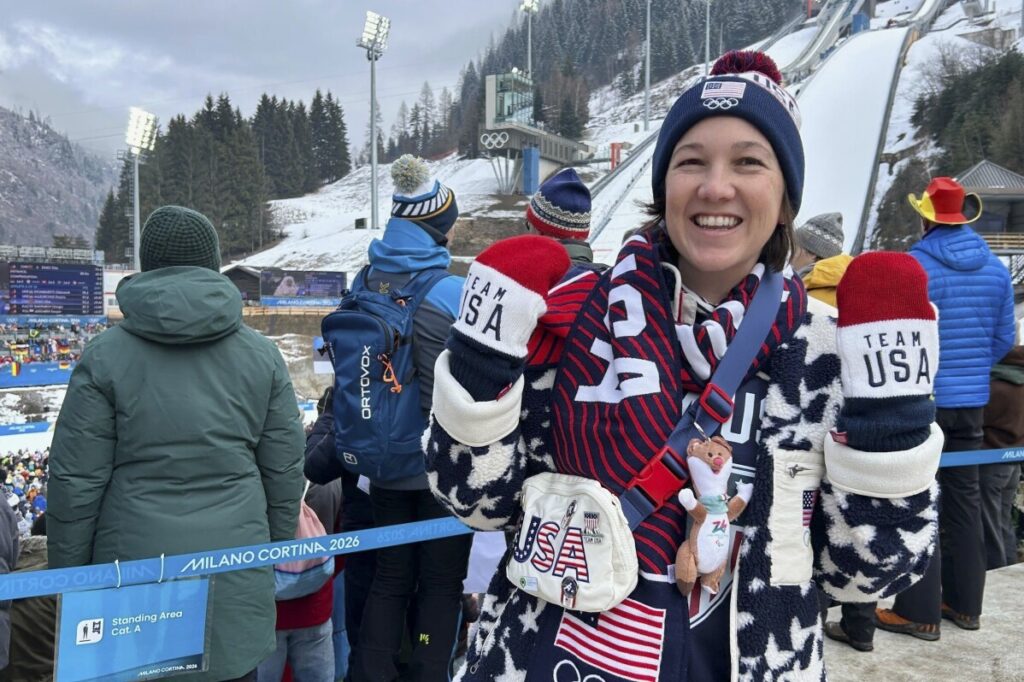
The Milan Cortina Winter Olympics offer more than just thrilling sports moments; they expose a complex interplay of global ambition, political posturing, and the stark realities that underscore why America must remain vigilant in defending its interests on the world stage.
Why Should We Care About Alpine Skiing Records?
Franjo von Allmen of Switzerland is making headlines with an impressive third gold medal at this Olympic Games—the first man since 1968 to achieve such dominance in alpine skiing. While his personal humility suggests he sees history as secondary, the broader implications are clear: traditional European powerhouses continue to showcase their dominance in winter sports arenas long celebrated for their geopolitical symbolism.
But what does this mean for the United States? It’s a reminder that while American athletes like Madison Chock, Evan Bates, Elizabeth Lemley, Jaelin Kauf, and Chloe Kim demonstrate exceptional talent and perseverance—qualities at the core of our national identity—foreign competitors continue to vie not only for medals but also for prestige on an international stage where culture and influence matter.
Is the Return of NHL Players a Victory or a Strategic Gamble?
The reintroduction of NHL players into Olympic hockey after an eight-year hiatus signals more than just sporting excitement. This move underscores how transnational organizations and leagues hold sway over global events, sometimes sidelining national interests. The NHL’s previous boycotts in 2018 and 2022 due to scheduling conflicts highlight the tension between commercial priorities and national pride.
For American fans witnessing stars like Juraj Slafkovsky—the Slovakian prodigy who scored first in this year’s tournament—it raises questions about whether America’s own hockey programs receive comparable respect or attention given these shifting dynamics. Are we adequately supporting our athletes while navigating international compromise? How long can Washington afford such distractions when true national security demands robust investment back home?
When Politics Intrude on Sport
The ongoing dispute involving Ukrainian athlete Vladyslav Heraskevych wearing a helmet honoring those killed by Russian aggression sheds light on how geopolitical conflicts seep even into supposedly apolitical arenas like the Olympics. The International Olympic Committee’s refusal to allow his helmet in competition reflects a reluctance by globalist bodies to confront uncomfortable truths about sovereignty violations and war crimes.
This incident reminds us that international institutions often prioritize neutrality over justice, placing athletes from freedom-loving nations like Ukraine—and by extension America—in difficult moral positions. As patriotic Americans committed to liberty and standing against authoritarian aggression, we must question how our own government engages with these multinational entities that sometimes undercut our values under the guise of diplomacy.
A Nation Watching: What Are Our Values Worth?
In parallel with these athletic contests came heartbreaking news from Canada—a deadly school shooting in British Columbia—which reminds us all that preserving safety within our borders remains paramount. While foreign games capture media attention across oceans, families here at home face urgent challenges that demand focus from policymakers.
The Milan Cortina Olympics are not just about medals; they are about global messaging and cultural influence. America’s commitment to freedom requires vigilance not only on battlefields but also wherever soft power contests unfold—sports included. How we support our athletes, defend truth amidst international pressure, and prioritize domestic security will shape our nation’s future far beyond any podium moment.