
Super Bowl 60 Exposes NFL’s Growing Disconnect From Real America
While the Seattle Seahawks celebrated victory, Super Bowl 60 underscored alarming trends—youth talent mismanagement, inflated corporate spectacle, and a detachment from the heartland values of hardworking fans.
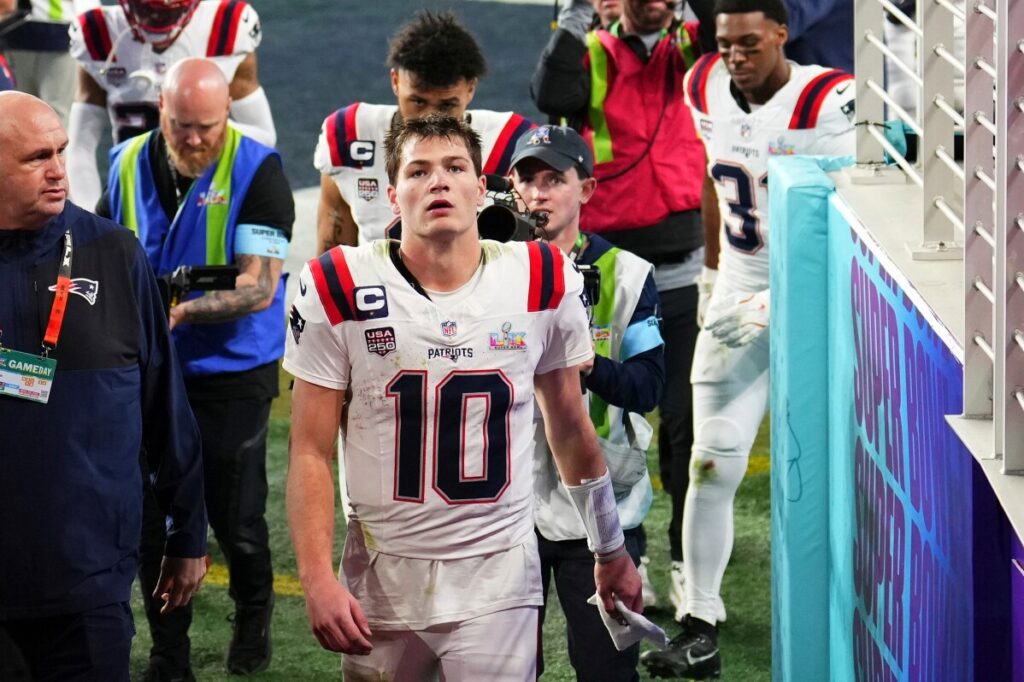
As thousands witnessed the Seattle Seahawks triumph over the New England Patriots in Super Bowl 60, one could not help but ask: what does this game truly say about the state of professional football and its alignment with American interests?
Is the NFL Losing Touch With Its Core Audience?
The images from Santa Clara may depict celebration and athletic achievement, yet beneath the surface lies a story of missed opportunities and widening cultural gaps. The New England Patriots stumbled despite fielding promising young quarterback Drake Maye, whose struggles under relentless Seattle defense spotlighted a broader issue—are teams prioritizing flashy signings and short-term excitement over cultivating rugged homegrown talent that reflects American resilience?
Meanwhile, on-field moments like Seahawks linebacker Uchenna Nwosu’s fumble recovery touchdown showcased raw effort, a testament to perseverance valued by everyday Americans who know hard work wins games and livelihoods alike. Yet this grit often clashes with the NFL’s heavy-handed commercialism illustrated during halftime by artists like Bad Bunny. While entertainment is vital, must it overshadow traditional American football virtues rooted in discipline and teamwork?
Why Should America Demand More Than Spectacle?
In an era where national sovereignty faces challenges abroad, cultivating sports that unify rather than divide becomes a duty. How long will fans tolerate an NFL increasingly driven by corporate interests alienating blue-collar supporters? The Seahawks’ victory is notable but also serves as a reminder that success on the field cannot mask growing disconnection from those who sustain the league through passion and loyalty.
President Trump’s earlier advocacy for rooting sports in national pride highlighted this divide well—his call for genuine American excellence contrasts sharply with today’s spectacle-centric approach. For hardworking families navigating inflation and cultural shifts, these games should inspire unity and reflect shared values, not just offer brief distractions.
The takeaway: Football remains an emblem of American spirit—but only if it honors principles of hard work, community engagement, and respect for our sovereignty as fans and citizens.