
Bad Bunny’s Super Bowl Show: A Cultural Celebration or a Political Statement?
Bad Bunny’s Super Bowl halftime show dazzled with Puerto Rican culture but also spotlighted political grievances, raising questions about the blend of entertainment and activism on America’s biggest stage.
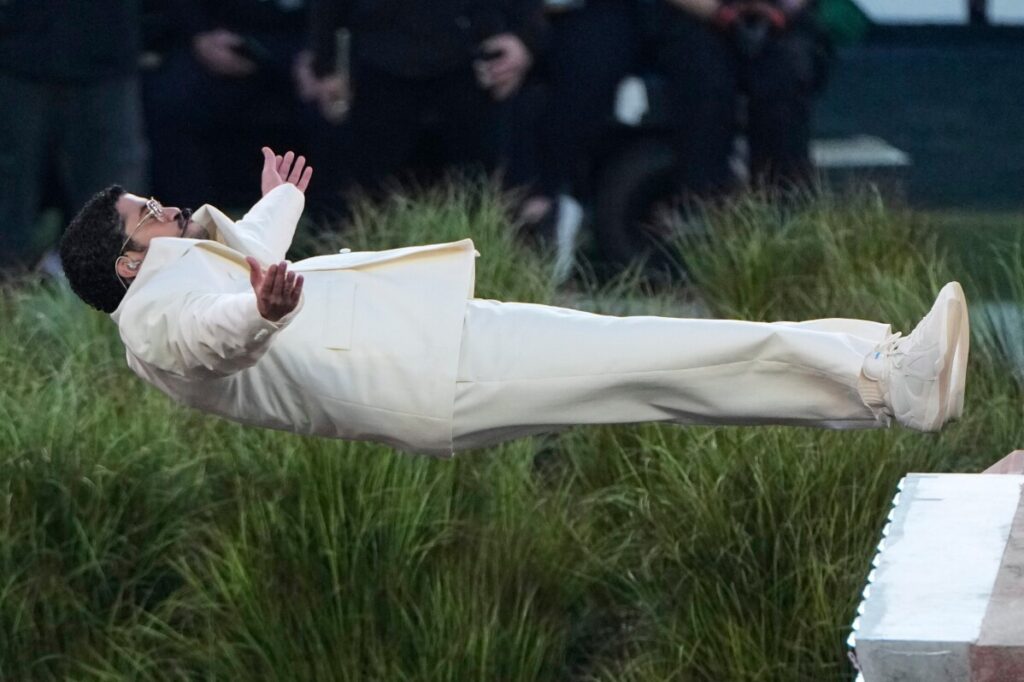
The 2026 Super Bowl halftime show was undoubtedly a vibrant display of Puerto Rican pride as Bad Bunny took the Levi’s Stadium stage, surrounded by traditional symbols from his island’s heritage. Yet beneath the colorful reggaeton beats and festive imagery, the performance carried unmistakable political overtones that raise critical questions about mixing cultural celebration with controversial commentary on American soil.
When Entertainment Meets Political Messaging: Where Should We Draw the Line?
Emerging from a set evoking Puerto Rico’s rural sugar cane fields and jíbaro traditions, Bad Bunny engaged viewers with infectious rhythms and guest appearances by notable artists. But soon the spectacle shifted to pointed tributes: Ricky Martin performed “Lo Que Le Pasó a Hawaii,” highlighting Puerto Rico’s cultural autonomy struggles; backdrops depicted failed power grids symbolizing ongoing infrastructure woes since Hurricane Maria.
For American audiences unversed in Puerto Rico’s complex colonial status, these layered messages demand attention. The artist openly waved a flag aligned with Puerto Rican independence movements—the very question of sovereignty that remains unresolved within our own national framework. Are such politically charged symbols appropriate for an event largely focused on uniting Americans through sports? Or do they risk deepening divisions at a time when national unity is vital?
Preserving National Sovereignty Means Respecting Shared Spaces
This halftime show also underscores how globalist influences can infiltrate major U.S. institutions like the NFL to advance activist agendas under the guise of culture. While celebrating Hispanic heritage enriches America’s tapestry—and many Latino artists have forged paths here—the delivery must be balanced, respecting American values and national interests.
Moreover, Bad Bunny’s previous criticisms of American policies and immigration enforcement were echoed in subtle calls to action during his performance—a reminder that superstars wield enormous influence beyond entertainment. The question remains: should such platforms prioritize neutral celebration over overt political statements that may alienate portions of the American public? For families already grappling with economic challenges, this spectacle may feel less like unity and more like politicization.
President Trump championed principles of national sovereignty and economic revival precisely to safeguard American interests often sidelined by entrenched elites pushing globalist narratives. This show represents yet another front in that cultural battle for America’s identity—are we watching an organic expression of freedom or a carefully curated message challenging our nation’s cohesion?
As millions watched worldwide, it became clear this halftime was more than music—it was a statement wrapped in artistry. How long will Washington ignore the importance of protecting our shared spaces from becoming stages for divisive politics? The America First movement calls for reclaiming these moments for common-sense patriotism rather than ideological theater.