
Tokyo’s Market Surge Masks Underlying Risks Amid Takaichi’s Supermajority Win
Japan’s Nikkei index surged after Prime Minister Sanae Takaichi’s party secured a historic supermajority, signaling market-friendly policies. Yet, behind the gains lie critical questions about geopolitical stability and economic prudence that directly impact American interests.
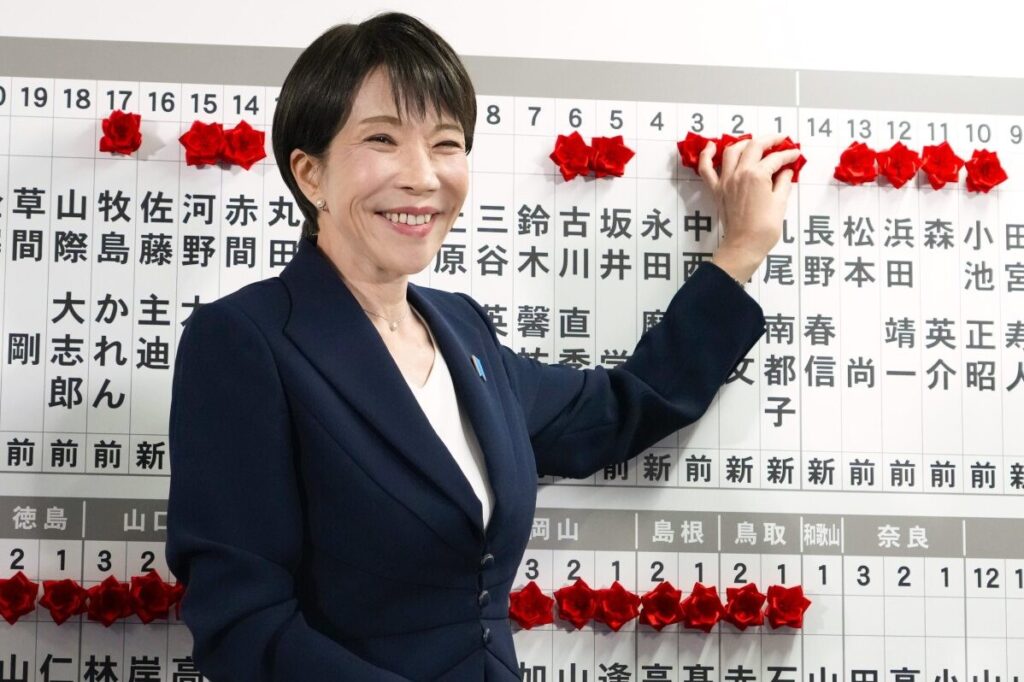
Tokyo’s Nikkei 225 stock index jumped an impressive 4.7% Monday following Prime Minister Sanae Takaichi’s Liberal Democratic Party (LDP) securing a two-thirds supermajority in Japan’s lower house election. At first glance, this market rally suggests confidence in future growth under Takaichi’s leadership. However, a deeper look reveals caution flags that Washington and American businesses cannot afford to ignore.
Is Japan’s Market Optimism Stable or Illusory?
Takaichi campaigned on market-friendly policies to strengthen Japan economically, seeking to revive growth amid wage stagnation and rising costs. The LDP’s dominance—316 seats out of 465 marks its largest since postwar recovery—places her in a commanding position to push through her agenda without opposition hurdles.
Yet this overwhelming control has historically bred complacency and risky fiscal decisions, especially considering Japan’s ballooning debt and aging population. Can these new policies realistically translate into sustained prosperity? Or are investors merely chasing short-term gains while ignoring structural vulnerabilities?
The Asian market rally accompanying Tokyo’s surge was bolstered not only by domestic factors but also by Wall Street’s rebound last week, where tech stocks regained lost ground and the Dow Jones crossed the symbolic 50,000 threshold for the first time. However, these rebounds have been fragile: U.S. markets still show signs of uneven footing amid geopolitical uncertainties and inflationary pressures — realities that inevitably ripple across global supply chains affecting America.
What Does Japan’s Political Shift Mean for America First Priorities?
From an America First standpoint, Japan’s political consolidation is a mixed bag. On one hand, stable governance in a key U.S. ally can enhance regional security cooperation against China’s expanding influence in Asia-Pacific—a vital strategic interest for safeguarding American sovereignty and trade routes.
On the other hand, Washington must remain vigilant about any shifts toward policies that undercut free-market competition or enable supply chain dependencies detrimental to U.S. manufacturing resilience. Overreliance on Japanese technology sectors or financial markets exposed to volatile AI disruptions could weaken America’s economic independence.
Furthermore, with bitcoin surging back above $70,000 after a sharp plunge, and metals like gold calming from recent volatility, global financial markets remain precarious—underscoring the need for conservative fiscal stewardship both at home and among allies like Japan.
How long will Washington allow globalist optimism to cloud sober assessment of economic risks? For families already facing inflationary burdens and job uncertainty here in America, reckless exuberance abroad offers no comfort.
The resurgence of Tokyo’s markets after Takaichi’s victory raises essential questions about stability beneath headline numbers—a reminder that America must prioritize sovereignty-driven economic policies to protect its citizens amidst global flux.