
Iraq’s New Customs Tariffs Ignite Protests Amid Economic Turmoil and Corruption Claims
Iraqi traders protest steep new customs tariffs that cripple trade and worsen citizen hardships, exposing government mismanagement and corruption amid shrinking oil revenues.
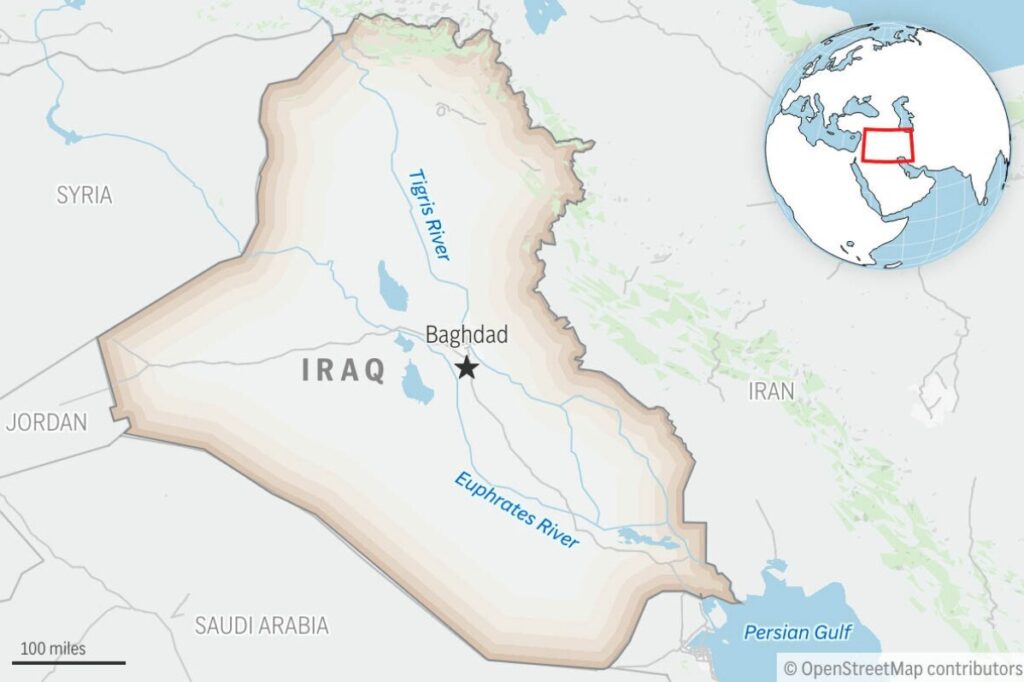
Baghdad’s bustling markets have come to a grinding halt as hundreds of traders and customs clearance business owners gathered in the capital to voice their fury against newly imposed customs tariffs. These fees, some rising as high as 30%, were introduced by the Iraqi government at the start of this year, aiming to reduce the country’s staggering debt burden estimated at $69 billion. Yet, instead of delivering fiscal relief, these measures have ignited widespread unrest among those who fuel Iraq’s economy.
Are These Tariffs Another Blow to Struggling Iraqi Families?
The new customs structure has drastically increased costs for traders, who now face fees more than quadruple what they used to pay. For example, container fees shot up from around 3 million dinars to an onerous 14 million, while everyday essentials like infant milk saw fees leap from under half a million dinars to nearly 3 million. Electric vehicles once exempt now incur a burdensome 15% tariff.
These inflated costs do not exist in a vacuum; they ripple through commerce and society alike. As wholesalers warn, the financial weight ultimately crushes ordinary citizens—government employees with stagnant salaries, families juggling rent and school expenses—deepening economic hardship instead of alleviating it.
Corruption Undermines Reform Efforts—Who Really Pays?
The protests also spotlight endemic corruption within Iraq’s customs enforcement. Demonstrators accuse powerful factions of exploiting the system by allowing goods through in exchange for unofficial payments—a shadow economy that punishes honest traders and fuels inequality.
As frustration mounts, some importers are already eyeing alternatives by diverting shipments through the Kurdistan region where fees are lower, undermining national sovereignty and economic unity at a time when cohesion is vital.
This turmoil unfolds as Baghdad’s Federal Supreme Court prepares to rule on a lawsuit challenging these tariffs—a decision that will reverberate far beyond legal halls into the daily lives of millions struggling under government mismanagement.
Iraq’s overreliance on oil revenues—accounting for roughly 90% of its budget—is an unsustainable gamble that leaves every aspect of national prosperity vulnerable to volatile global markets. The U.S., championing freedom and economic liberty worldwide, must observe how such failures abroad can serve as stark warnings against centralized overreach at home.
For American patriots concerned with upholding national sovereignty and fostering common-sense governance, Iraq’s crisis is more than distant news—it’s a call to reject policies that disproportionately punish hardworking citizens under the guise of fiscal discipline.