
Netanyahu’s Work Permit Ban Forces Palestinians Into Dangerous Illegal Border Crossings
More than two years after Israel revoked thousands of Palestinian work permits, desperate workers risk their lives by illegally crossing the heavily militarized border—a crisis raising urgent questions about security, economic stability, and human dignity.
Along the formidable barrier separating Israel from the West Bank, remnants of desperation hang in the barbed wire: ropes, shoes, and coats abandoned by Palestinians forced to make perilous illegal crossings. These are not random acts of rebellion but the inevitable consequence of a government policy that cut off nearly 180,000 Palestinians from their legal livelihoods in October 2023.
Following Hamas’s deadly attacks that month, Prime Minister Benjamin Netanyahu’s administration revoked work permits for Palestinians employed in Israeli cities like Jerusalem—mostly in construction and cleaning sectors. Once granted for up to six years, these permits were vital lifelines for Palestinian families struggling amid an already fragile economic landscape.
Is Security Policy Creating Greater Instability?
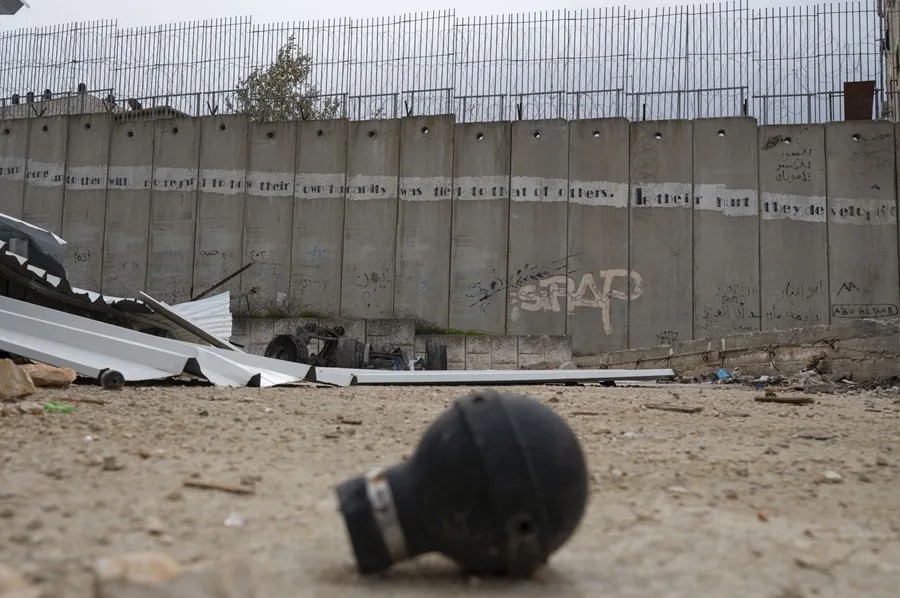
Israel’s decision came under the guise of national security—a priority that must never be compromised. But does removing legal avenues for employment truly enhance safety? Instead, it has steered many Palestinians toward dangerous illegal border crossings controlled by criminal mafias profiting from their desperation. Increased Israeli military patrols respond with tear gas and live fire near areas like Al Ram, where daily confrontations now threaten innocent civilians as well as those seeking work.
The United Nations Office for the Coordination of Humanitarian Affairs (OCHA) reports at least 16 Palestinians killed and over 240 wounded attempting these crossings since October 2023 alone—a tragic toll that challenges Israel’s commitment to protecting both its citizens and human rights.
Economic Consequences Beyond Borders
Cutting off steady wages from Palestinian workers does not just harm families on the other side; it destabilizes an economic relationship that has endured since Israel’s founding. Many Israeli businesses still rely heavily on experienced Palestinian laborers who understand local conditions better than foreign replacements. Yet instead of fostering cooperative solutions rooted in sovereignty and security, policymakers have chosen to sever ties abruptly.
Meanwhile, some Palestinians like Mohamed (name changed) accept diminished prospects rather than risking illegal entry—underscoring that this policy punishes ordinary people far more than insurgents. His story echoes a harsh reality: without work permits restored or alternative economic opportunities developed under responsible leadership committed to America First principles abroad—prioritizing stability through prosperity—the region’s unrest will only deepen.
This ongoing crisis demands accountability: How long will Israeli leadership neglect pragmatic policies balancing security with humanitarian concerns? The answer matters not only for Israelis and Palestinians but also for American interests invested in Middle East stability and counterterrorism efforts.
While defending national sovereignty is paramount, true security arises when borders protect freedom without creating new vulnerabilities. It is time for policies reflecting strategic foresight rather than reactionary denial of livelihoods.