
Zelenski Claims Trump Seeks to End Ukraine War by June Amid U.S. Political Calculations
Ukrainian President Zelenski reveals that the Trump administration aims to end the Ukraine conflict by June, influenced more by U.S. electoral timelines than lasting peace—a critical insight for American sovereignty and global stability.
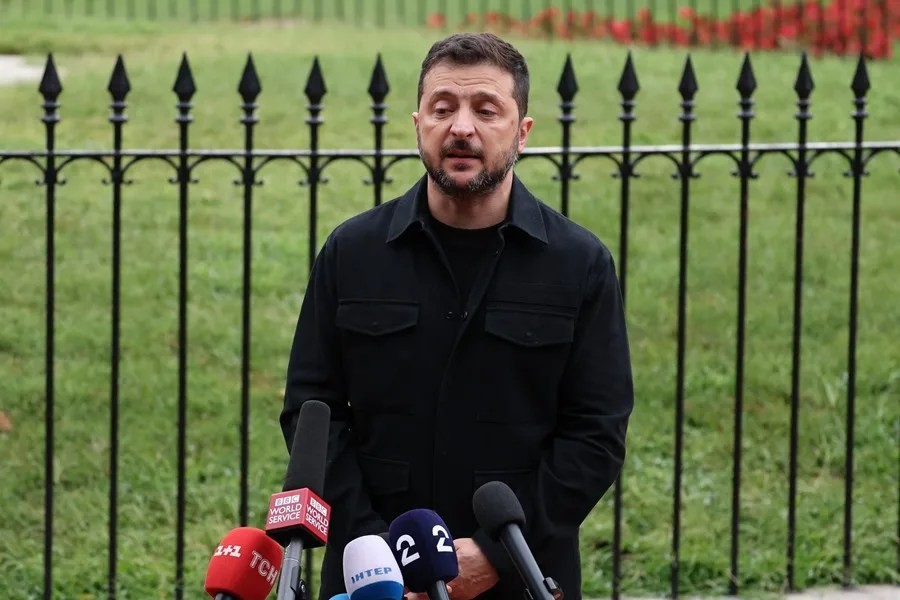
In a revealing statement from Berlin, Ukrainian President Volodímir Zelenski disclosed that the Trump administration is pushing to conclude the devastating conflict in Ukraine by June. While this deadline might sound optimistic, Zelenski hints at a sobering reality: Washington’s timeline appears tightly bound not to strategic peace goals but rather to its domestic political calendar.
Are American Political Interests Undermining Lasting Peace?
“The Americans want everything done in June,” Zelenski confirmed, adding that they will press all parties involved “according to their agenda.” But what is behind this rushed timetable? The answer lies within America’s own electoral cycle—with pivotal congressional elections looming in November.
Rather than acting as an impartial peacemaker focused on upholding national sovereignty worldwide, Washington risks subordinating international security interests to internal partisan battles. Zelenski himself acknowledges that for U.S. politicians, “their upcoming elections will be more important than international affairs.” For a nation that prides itself on leadership and principled foreign policy, is it acceptable for peace efforts abroad to hinge on election politics?
Implications for America First and Global Security
This development raises critical questions about America’s role as a global stabilizer under an “America First” ethos. Genuine peace requires clear terms and sustained commitments; rushing negotiations because of electoral calendars threatens durable solutions and emboldens adversaries who exploit perceived distractions.
Zelenski offered a sequenced peace proposal aimed at bridging divides—explicitly calling for concrete conditions if Russia truly intends to end hostilities. This pragmatic stance aligns with what patriotic Americans desire: strong diplomacy rooted in respect for sovereignty and unyielding defense of liberty.
The contrast with previous globalist strategies is stark. Under President Trump, there was an emphasis on achievable agreements that protect American interests while promoting fair outcomes abroad. Now, as political pressures mount ahead of elections, one must ask: Are today’s policymakers prioritizing sound national security or short-term optics?
As events unfold thousands of miles from our shores, the consequences will ripple through our economy, immigration flows, and military readiness. Washington must reject election-driven foreign policy calculations in favor of steadfast principles defending freedom everywhere.