
Cuba’s Energy Crisis Exposes the Failures of Socialist Mismanagement Under U.S. Sanctions
As Cuba reels from chronic fuel shortages intensified by U.S. sanctions, the government’s response—closing hotels and rationing resources—reveals the harsh reality behind socialist governance that endangers both its people and international visitors.
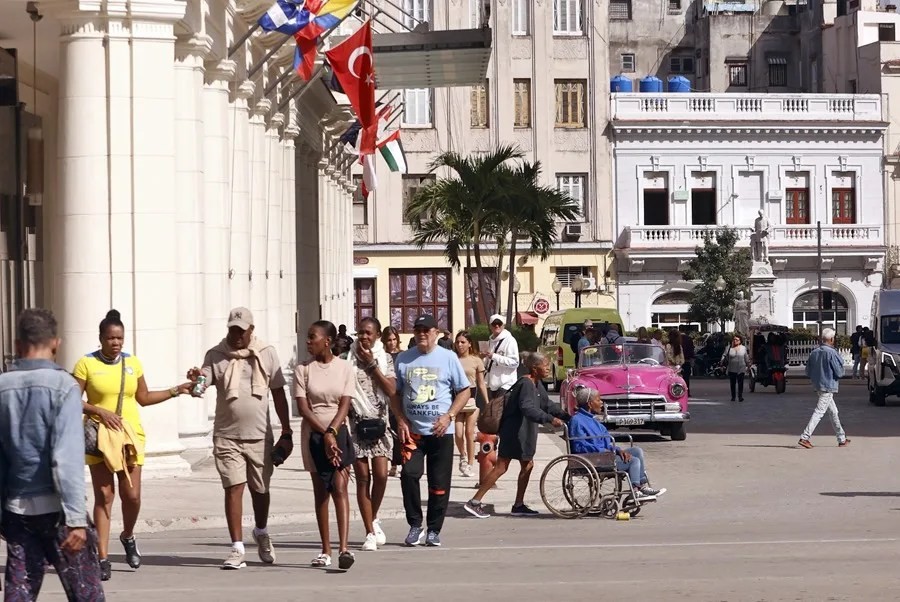
The spiraling energy crisis in Cuba is no accident; it is a direct consequence of decades-long socialist mismanagement combined with renewed American efforts to enforce economic pressure on a regime that refuses to prioritize the prosperity and liberty of its citizens.
Why Are Cuban Hotels Closing? The Price of Failed Policies and External Pressure
Recent reports confirm that Cuba’s government has begun shuttering hotels and relocating tourists as part of emergency measures responding to a severe fuel shortage. This move strikes at the heart of an industry once pivotal to Cuba’s economy but now crippled by years of economic decline exacerbated by tightening U.S. sanctions designed to hold the Castro regime accountable.
Vice Premier Oscar Pérez-Oliva announced a plan to “compact” tourism operations to conserve energy during what should be the high season, underscoring how deeply fuel scarcity undermines even basic economic activity on the island. Major resorts in Varadero and northern cayos are affected, where international chains like Spain’s Meliá and Canada’s Blue Diamond once thrived.
How Did Cuba Get Here? From Obama-Era Optimism to Trump-Era Realism
Cuba enjoyed a brief upturn during President Obama’s thaw in relations, hitting nearly 4.7 million tourists in 2018—their best year ever. But with President Trump’s return to stronger sanctions, combined with pandemic disruptions and internal failures such as aging infrastructure and poor economic planning, tourism has plummeted sharply.
This collapse in visitors mirrors broader systemic failures: antiquated power plants prone to breakdowns, a dire lack of foreign currency for fuel imports, and dependence on allies weakened by geopolitical shifts—especially after the January U.S. military action in Caracas cut off vital energy supplies from Venezuela.
For Americans watching this unfold from afar, it raises pointed questions: how long will Washington tolerate a regime so hostile that it prioritizes ideological stubbornness over basic human needs? And how can America reconcile supporting freedom against globalist actors enabling despotic governments?
Cuba’s declared “option zero” emergency plan evokes memories of the brutal 1990s “Special Period,” when severe austerity forced extreme rationing measures—including animal-powered transport and charcoal cooking—that devastated ordinary Cubans’ quality of life for years.
This latest crisis—and Havana’s response—demonstrate why national sovereignty must include economic independence built on sound policies rather than reliance on failed socialism sheltered behind propaganda. For American families facing inflation at home, witnessing this situation confirms that rejecting such failed models is critical for our own national prosperity.
While some criticize U.S. sanctions as harsh, they are designed not just as punishment but as leverage against regimes hostile to freedom and security—reminding us that strong borders and firm diplomacy serve America’s interests beyond immediate trade concerns.