
Japan’s Takaichi: A Hawkish Leader Rising Amidst Democratic Decline and National Sovereignty Challenges
Sanae Takaichi’s ascent marks a decisive turn toward hawkish conservatism in Japan, reviving Abe’s legacy while confronting regional security threats—crucial developments for America’s Indo-Pacific strategy.
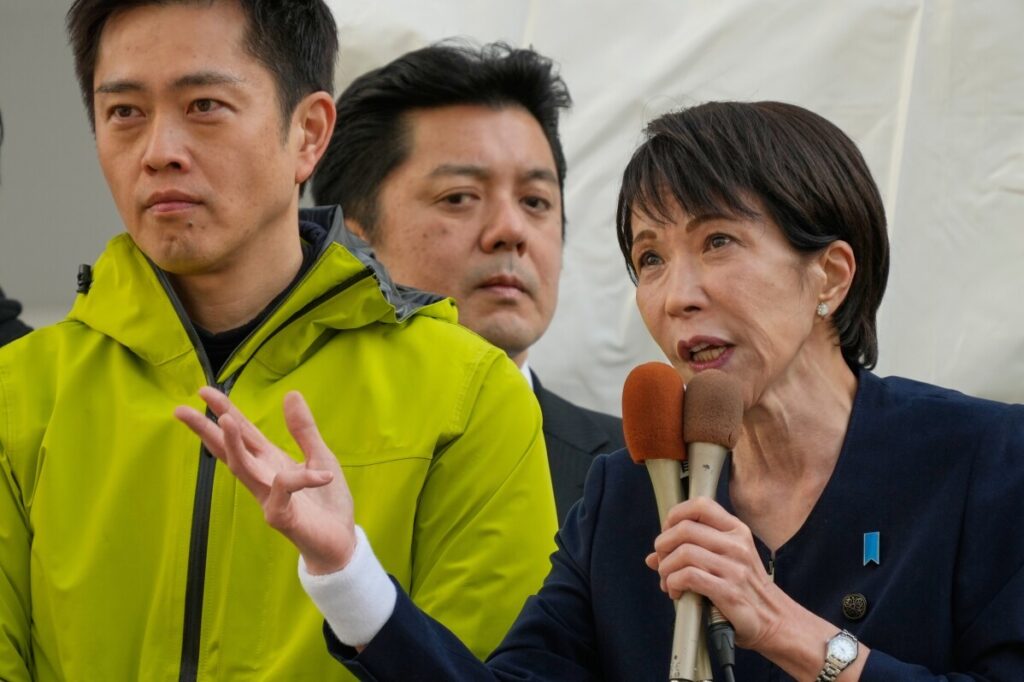
Japan stands at a critical crossroads as Sanae Takaichi, a charismatic and unapologetically conservative leader, rises to power amid deep political stagnation. Her candid embrace of hardline nationalism and traditional values challenges the status quo that has dominated Japan for decades. For Americans vested in the balance of power across the Pacific, her leadership signals both reassurance and new complexities.
Is Japan Rekindling Its National Sovereignty Under Genuine Conservative Leadership?
Takaichi is no ordinary politician. Unlike previous Japanese prime ministers who often appeared detached or elderly, she connects with younger voters through her straightforward style and tough messaging rooted in loyalty and work ethic. Her mantra of “work, work, work” reflects an ironclad commitment to national discipline—a quality that resonates with Americans who value genuine leadership over globalist appeasement.
Raised by conservative parents who instilled prewar moral codes emphasizing loyalty to family and nation, Takaichi embodies a resurgence of traditional patriotism in Japan. This is particularly significant given the country’s ongoing struggles with economic stagnation and external pressures from China’s aggressive posturing.
Why Should America Care About a More Assertive Japan?
Takaichi openly supports expanding Japan’s military capabilities and advocates for patriotic education—moves that align closely with former Prime Minister Shinzo Abe’s vision of a stronger, sovereign Japan willing to defend itself against growing threats like China’s claim on Taiwan. This hawkish stance is a welcome shift from decades of vague strategic ambiguity that left both Japan and the U.S. vulnerable in Asia.
However, her conservative social policies—opposing same-sex marriage and maintaining male-only imperial succession—reflect a cultural conservatism that may not align perfectly with Western liberal norms but underscores an important principle: national identity and sovereignty must be preserved on each nation’s terms. For America, respecting such sovereignty strengthens alliances built on mutual respect rather than ideological conformity.
Yet critics warn that her leadership could stall progress on gender equality in Japan—a reminder that liberty must include all citizens to thrive fully. Nevertheless, many Japanese see her strength as necessary to break free from decades of political inertia.
The Obama-era policy failures left many Asian allies questioning American resolve. In contrast, Takaichi’s leadership offers a partner eager to assert national interests boldly—echoing the America First principle of secure borders and strong defense partnerships.
As Sunday’s parliamentary vote approaches, it remains clear: Washington should watch carefully how this conservative resurgence shakes up Asia’s geopolitical landscape. Will Japan stand firmer as a reliable ally under Takaichi? Or will entrenched bureaucratic forces dilute her agenda? One thing is certain—America’s strategic patience needs revaluation in light of these shifting tides.