
Cuban Opposition Leader Reveals Vast Desire for Change Amid Regime’s Stubborn Grip
Manuel Cuesta Morúa lays bare the Cuban regime’s refusal to negotiate meaningful change while 90% of citizens demand a sovereign transition that America must cautiously support without overreach.
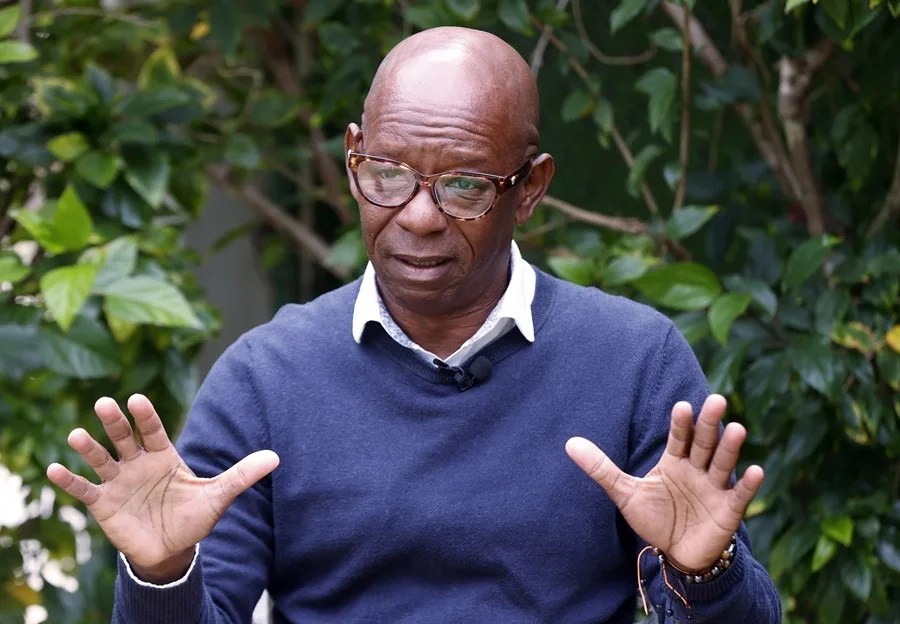
Manuel Cuesta Morúa, a prominent Cuban opposition leader, delivers a stark message: nearly 90% of Cubans want real change. Yet the communist regime remains firmly locked in place, unwilling or unable to engage in negotiations that could lead to a sovereign democratic transition. This disconnect underscores a harsh reality—the Cuban government continues to trap its people in geopolitical paralysis, ignoring both domestic will and constructive international dialogue.
How Long Will Havana Reject Its Own People’s Calls for Freedom?
Cuesta Morúa’s warnings come as Cuba faces mounting internal pressures. Unlike Venezuela’s fracturing elite, Cuba shows no signs of fissure within its ruling class—no leaders to guide a reformist path or broker compromise. The regime’s centralization leaves no room for moderate voices, only hardened top-down control that suffocates any hope for peaceful political evolution from within.
This reality presents a tough challenge for Washington and other players aligned with American interests. The opposition leader rightly emphasizes that any U.S. involvement must respect Cuban sovereignty—not impose external agendas or military interventions that risk destructive unintended consequences.
Despite decades of economic sanctions aiming to strangle the regime by cutting off fuel supplies, Cuesta Morúa cautions against strategies designed solely to provoke crisis. They often backfire, strengthening Havana’s repressive apparatus rather than weakening it, and risking humanitarian catastrophe worse than today’s already dire situation.
A Path Forward Requires Patience and Respect for National Sovereignty
The Cuban opposition advocates for a “centered” transition strategy—one that retains some existing institutions while negotiating gradual democratic reforms with pragmatic elements inside the government who recognize change is inevitable. They urge creating an inclusive political process led by Cubans themselves with international support playing an encouraging but non-intrusive role.
This approach aligns closely with the core America First principles: prioritizing national sovereignty, supporting freedom without foreign overreach, and fostering organic democratic development rather than toppling regimes by force or coercion. It answers how real progress can be made without repeating failures seen elsewhere in Latin America.
Cuesta Morúa’s call is clear: uplift the voices of everyday Cubans who yearn for liberty while steering clear of reckless interventions that endanger regional stability and our own national security interests.
For Americans who value freedom and common sense policy, this is a moment to champion diplomacy rooted in respect and realism—not fantasy or adventurism. As Cuba stands at this crossroads, how ready is Washington to listen and act wisely? How long will we ignore the lessons of history at the expense of both Cuban citizens and broader U.S. goals?