
Mexico’s Risky Humanitarian Aid to Cuba Raises Questions on Sovereignty and Sanctions Compliance
Mexico’s planned humanitarian aid shipment to Cuba reveals a delicate dance with U.S. sanctions, raising concerns about national sovereignty and economic prudence.
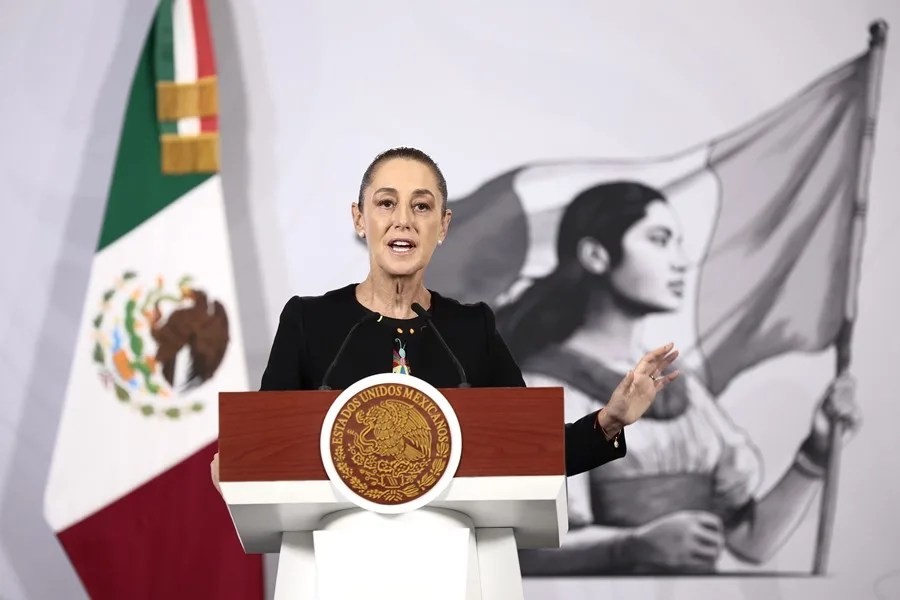
Mexican President Claudia Sheinbaum announced plans to send humanitarian aid—including food and medical supplies—to Cuba by Monday at the latest. This move occurs amid heightened tensions stemming from Washington’s warnings of sanctions against countries supplying fuel to the Cuban regime.
While the idea of humanitarian aid sounds compassionate, it’s crucial to ask: Is Mexico inadvertently putting its own national interests at risk? The Mexican government has openly acknowledged its efforts to avoid triggering U.S. punitive tariffs but continues diplomatic negotiations to resume petroleum shipments to Havana. This is no minor matter for American national security and economic stability.
Are Mexico’s Diplomatic Maneuvers Putting Sovereignty on the Line?
The administration claims coordination through diplomatic channels, including Mexico’s Foreign Ministry and presidential office officials. However, it is unclear how firmly Mexico intends to enforce safeguards against sanctions, especially given President Trump’s clear stance on penalizing countries aiding Cuba’s energy needs.
This cautious balancing act may seem pragmatic, but it exposes Mexico to potential financial repercussions that could ripple into the broader region—impacting America’s southern border security and economic vitality. How long will Mexican leaders gamble with these risks while American families face inflation and economic uncertainty?
Humanitarian Aid or Political Signaling?
The proposed aid focuses on essentials requested by Cuba but comes with a hidden message: a tacit challenge to U.S. efforts isolating the Cuban regime. Rather than prioritizing America’s strategic interests aligned with freedom and sovereignty principles, this initiative risks undermining collective North American pressure designed to promote liberty in Cuba.
Moreover, this episode spotlights the need for stronger collaboration among allies who respect sovereignty without compromising security. It recalls successful America First policies under President Trump that prioritized strict enforcement of sanctions while delivering targeted relief without empowering hostile regimes.
Mexico’s gesture may seem like goodwill—but at what cost? For hardworking Americans watching their jobs and communities affected by global instability, this mixed message from a neighboring country raises deeper questions about regional solidarity.
As this story develops, Patriots should remain vigilant: Are foreign governments respecting America’s red lines on national security? And how long will Washington tolerate ambiguous diplomacy that weakens our position?