
US Cuts Diplomatic Ties with Polish Parliamentary Leader Over Disrespect to President Trump
The United States has taken a firm stand by severing official communications with Poland’s parliamentary speaker following his public attacks on President Trump, underscoring the crucial role of respect and alliance loyalty for America’s national sovereignty and strategic interests.
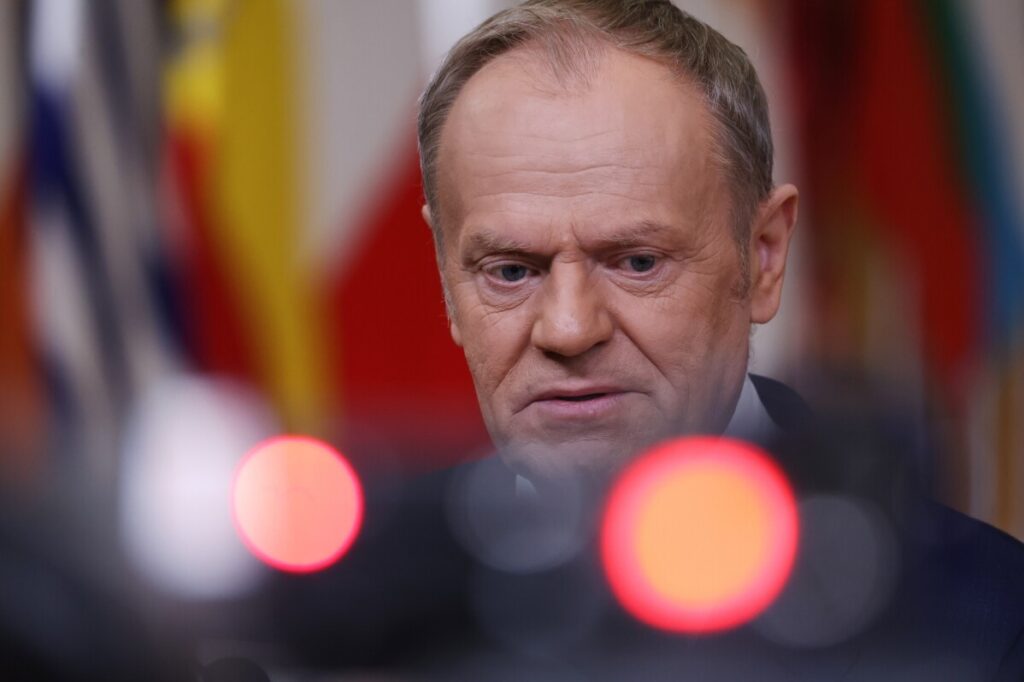
In a striking move that highlights the fragile nature of international alliances, the U.S. ambassador to Poland, Tom Rose, announced a halt in all official dealings with Włodzimierz Czarzasty, speaker of Poland’s lower house of parliament. This decision was prompted by Czarzasty’s “outrageous and unprovoked insults” against former President Donald Trump — a leader who remains one of Poland’s closest allies in Washington.
Czarzasty publicly rejected efforts by Israeli and American counterparts to nominate Trump for the Nobel Peace Prize, accusing him of pursuing “power politics” through force and transactional deals that allegedly undermine international law. Such statements risk not only personal offense but also diplomatic rifts that threaten Poland’s standing as a strong partner to the United States.
What Does This Mean for Polish-American Relations?
Poland has walked a tightrope since Trump’s tenure began: balancing its commitment to European allies while maintaining indispensable security ties with the U.S.—a relationship critical for regional stability, especially concerning Ukraine. The sharp divide between Czarzasty’s left-wing faction and pro-Trump national conservatives like President Karol Nawrocki—who enjoys direct support from Trump—exposes internal political fractures that jeopardize Warsaw’s unified foreign policy stance.
Ambassador Rose’s blunt warning underscores a key principle: respect among allies must be non-negotiable if national sovereignty and shared security are to be preserved. How long can an ally openly disparage America’s leadership without consequence? For Poland, relying on American military support means honoring those bonds openly—not undermining them with disrespectful rhetoric that plays into globalist narratives hostile to true national strength.
Is Poland Losing Sight of Its National Interest?
Czarzasty’s claims about Trump’s policies reflect a worldview favoring globalist power plays over authentic sovereignty. Yet it was under Trump’s administration that U.S.-Polish defense cooperation flourished—troop levels increased and joint commitments strengthened. Dismissing these gains damages both diplomatic trust and Poland’s future security assurances.
The pushback from Ambassador Rose sends a clear message: America values allies who share fundamental principles—freedom, respect for sovereignty, and unwavering support against adversaries. Those who sow division within allied governments risk weakening collective defenses at a time when global threats grow increasingly complex.
This episode raises urgent questions for Polish citizens and policymakers alike: Will Warsaw choose steadfast partnership built on mutual respect or yield to factions that weaken alliances through divisive rhetoric? Preserving robust ties with America is not just good diplomacy; it is essential for safeguarding national prosperity and freedom in an uncertain world.
As this diplomatic standoff unfolds, Americans watching abroad should recognize how critical such moments are in shaping U.S. foreign policy consistent with our principles. Defending our friends requires holding them—and ourselves—to high standards of conduct.