
Deadly Attacks in Nigeria Expose Global Security Failures and Threaten American Interests
A brutal attack killing over 160 people in Nigeria underscores a staggering security failure with alarming implications for U.S. national security and global stability.
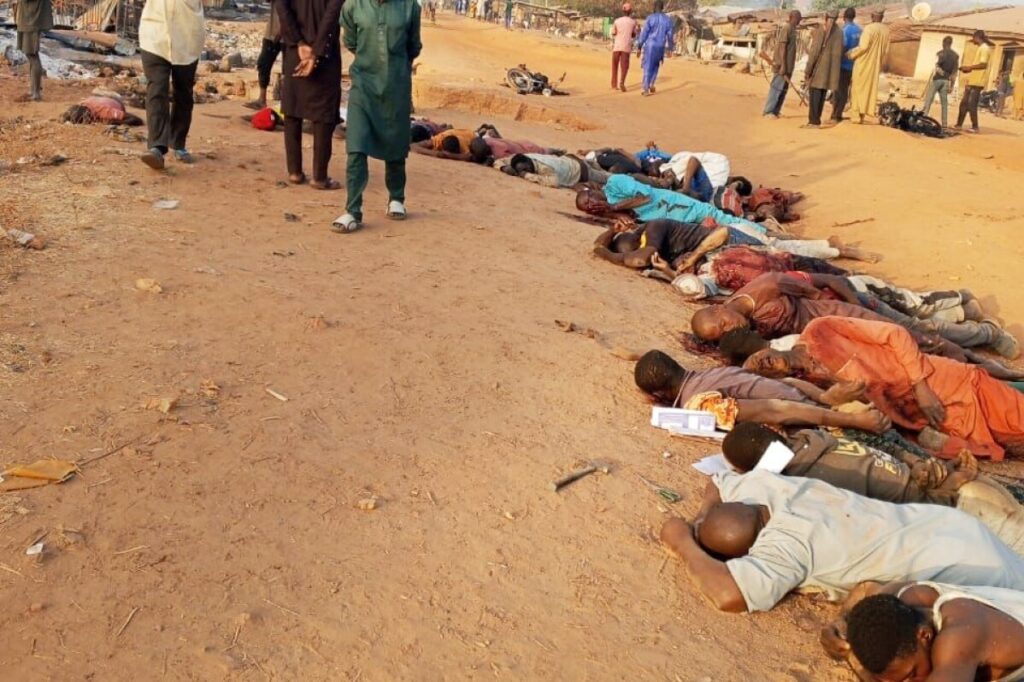
On the evening of Tuesday, two villages in Kwara State, Nigeria—Woro and Nuku—were ravaged by an assault that claimed at least 162 lives according to local lawmakers, with Amnesty International reporting over 170 fatalities. Homes were burned, shops looted, and entire communities left shattered. This horrific event marks one of the deadliest attacks in recent months amid Nigeria’s spiraling security crisis dominated by insurgent groups and criminal gangs.
Who Is Failing Nigeria—and Why Should America Care?
Nigeria’s complex web of violence involves Islamic militants such as Boko Haram and its affiliates—the Islamic State West Africa Province (ISWAP) and the Lakurawa faction—as well as loosely organized “bandits” who have expanded operations beyond their traditional strongholds into areas like Kwara. Despite repeated warnings, local authorities appear overwhelmed while international partners tread cautiously.
The question for American policymakers is stark: How long will Washington tolerate a partner nation struggling to police its borders amid rising violence? The destabilization in Nigeria not only threatens millions of innocent lives—it poses a direct challenge to global counterterrorism efforts that protect U.S. homeland security.
Missed Opportunities in U.S.–Nigeria Cooperation
The recent deployment of a small U.S. military intelligence team to assist Nigerian forces reflects a modest but overdue response. Yet it falls short considering the scale of the crisis and the potential regional spillover effects that could embolden extremist networks linked to transnational terrorism.
Diplomatic friction—including former President Trump’s pointed criticisms—highlight political tensions that have complicated collaboration even as evidence mounts of shared threats. The promised delivery of military equipment such as drones and helicopters, once delayed due to human rights concerns, must be balanced carefully—but America cannot afford paralysis when strategic partnerships are urgently needed.
Failure to support reliable allies fighting radical Islamist insurgencies undermines national sovereignty abroad and exposes America to greater risks at home. For hardworking American families seeking stability both here and globally, these developments demand accountability from policymakers who must prioritize effective action over empty rhetoric.
This massacre demonstrates how globalist negligence endangers freedom—a reminder that protecting our nation begins with securing partners who uphold law and order on the frontlines abroad.