
Mexico City’s Call to Mute Crime Reporting Ahead of World Cup Raises Alarms About Media Freedom
Amid preparations for the 2026 World Cup, Mexico City’s government urges media to downplay violent crime coverage—raising serious questions about transparency and public trust.
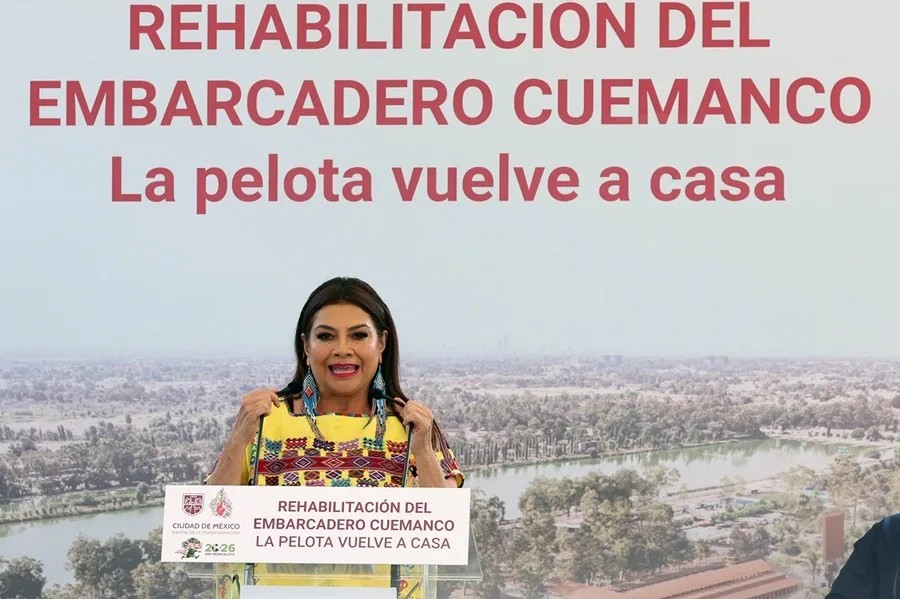
As Mexico City gears up to host the inaugural match of the 2026 FIFA World Cup, its government is courting controversy by urging local media outlets to “dial down” their coverage of violent crime. Clara Brugada, head of the city government, publicly proposed a so-called “grand agreement” with news organizations to reduce reporting on what is known as “nota roja”—the red news focused on violence and crime.
This initiative comes under the pretext that although reported violent crimes have decreased, the public perception of insecurity remains high because media emphasize these stories. Brugada questioned, “If we have channels dedicated to talking endlessly about insecurity, what effect does that have on our population?”
Why Does Limiting Crime News Endanger Public Awareness?
At face value, lowering sensationalism seems beneficial. Yet in reality, pressuring news outlets to soften or limit coverage threatens essential freedoms and public awareness. How can citizens make informed decisions about safety and policy if they receive censored information? The timing—just months ahead of a global event showcasing Mexico’s capital—suggests political optics are taking priority over genuine transparency.
Brugada insists there will be no censorship or silence agreements but rather an “open debate.” However, calls for coordinated reductions in reporting violent crime effectively signal an attempt to control narratives for appearances rather than address root causes. This mirrors globalist tendencies to prioritize image management over national sovereignty and common-sense security measures.
The America First Lens: Why Should U.S. Citizens Care?
While this debate unfolds south of the border, Americans must pay close attention. The World Cup will attract millions of visitors from around North America—including U.S. fans—into Mexico City and other host cities like Monterrey and Guadalajara. A sanitized portrayal of safety may mask ongoing security challenges that could affect travelers’ well-being.
Moreover, Washington’s longstanding failure to demand robust security cooperation with neighboring countries enables unstable conditions that spill over into our own borders. When foreign governments prioritize international events’ images over truthful crime reporting, it hampers honest cross-border collaboration crucial for protecting American families from drug cartels and human traffickers.
This episode highlights why freedom of the press serves as a cornerstone not just for democracy but for shared continental security—and why attempts to suppress uncomfortable truths must be met with skepticism and vigilance.
Instead of silencing facts inconvenient to political narratives, officials should focus on enforcing law and order with policies grounded in national sovereignty and respect for individual liberties—the principles championed by America First leadership.