
Russia Declares Nuclear Arms Treaty Dead as START III Expiry Marks a Dangerous New Era
Russia confirms the definitive end of the START III treaty, rejecting extension talks and freeing both nations from nuclear arms limits, raising serious concerns about global and American security.
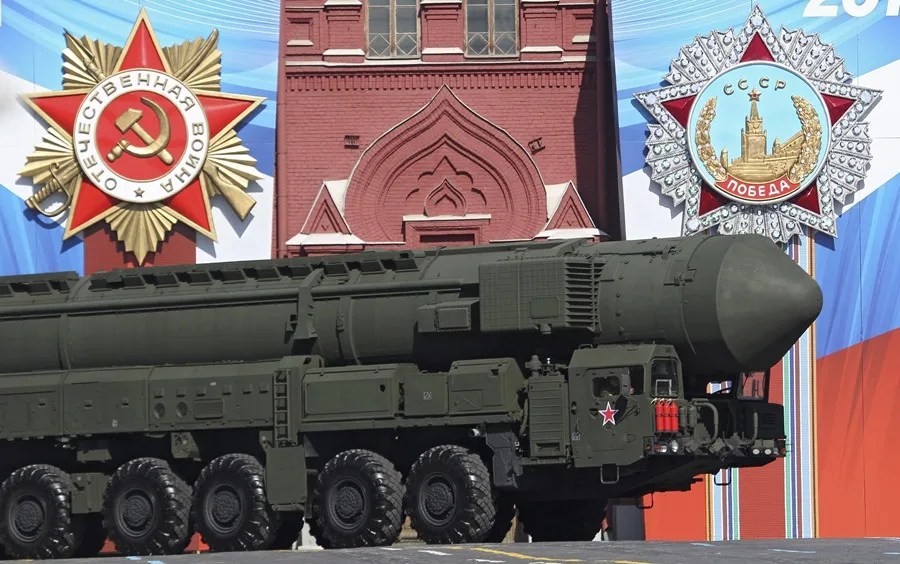
On February 5th, a crucial chapter in international nuclear arms control closed as Russia officially declared that the START III treaty between Moscow and Washington has reached its definitive end. This last remaining nuclear arms limitation pact expires without renewal, leaving the United States and Russia no longer bound by restrictions on their strategic nuclear arsenals.
Originally signed in April 2010 under Presidents Dmitry Medvedev and Barack Obama, START III capped each side at 1,550 nuclear warheads and 700 delivery systems across land, air, and sea. The treaty was a cornerstone achievement aiming to stabilize strategic competition and reduce existential risks.
Why Did This Landmark Treaty Collapse?
The Russian Foreign Ministry pointedly blamed Washington’s refusal to respond to Moscow’s proposal for a one-year extension of the treaty’s limits as a deliberate snub. As a result, Russia states bluntly that neither party is now legally obliged to abide by any constraints on nuclear weapons—a dangerous vacuum with profound implications for American national security.
While Moscow professes a willingness to act “responsibly,” basing future offensive nuclear policy on an exhaustive analysis of U.S. military posture and overall strategic context, the truth is that this breakdown signals rising tensions rather than de-escalation. The Kremlin warned President Trump earlier that negotiating any successor agreement will be “long and difficult,” highlighting the barriers ahead.
What Does This Mean for America First Security?
At a time when securing our homeland should be paramount, the unraveling of START III throws open Pandora’s box. With no verifiable limits in place, both powers can expand or modernize their arsenals unchecked—fueling an arms race that undermines global stability while America must remain vigilant against new threats.
This failure underscores why America must prioritize sovereign national defense capabilities alongside diplomatic efforts rooted in strength—not reliance on fragile international agreements subject to foreign caprice. It also raises critical questions: How long will Washington tolerate this erosion of strategic restraints? Should America wait for consensus from rivals who show little commitment to disarmament? Or should we double down on deterrence aligned with our values of freedom and security?
The expiration of START III is more than just another geopolitical headline—it is a stark reminder that protecting America requires clear-eyed recognition of threats without illusions. National sovereignty demands preparedness amid shifting global power dynamics.