
Vatican Faces Renewed Schism as Lefebvrian Defiance Threatens Church Unity
The Vatican’s struggle to maintain unity faces a critical test as the Lefebvrian traditionalist faction moves to ordain bishops without papal approval, risking a damaging rupture within the Church.
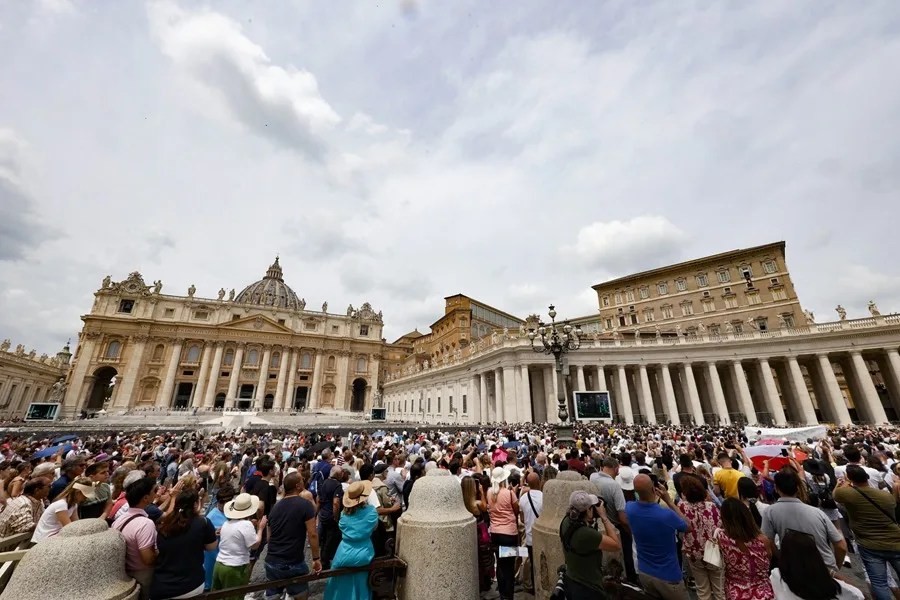
The Vatican finds itself at a crossroads once again as the traditionalist Fraternity of Saint Pius X, known as the Lefebvrians, openly defies Pope Leo XIV by planning to ordain new bishops independently. This bold move threatens not only doctrinal unity but also the very authority of the papacy—a core pillar of Catholic sovereignty.
Why Does This Matter for America and Global Catholicism?
While these ecclesiastical disputes unfold in Rome and Europe, their ripple effects extend globally, including here in America, where millions of faithful look for clear leadership from the Vatican. The fragmentation risks sowing confusion among conservative Catholics who cherish tradition but also value institutional order rooted in legitimate authority. Who will safeguard that balance if Rome cannot enforce its primacy?
Historically, the Lefebvrians have challenged reforms stemming from Vatican II, rejecting modernizing efforts in favor of a rigid traditionalism championed by their founder Marcel Lefebvre in 1970. Their prior unilateral consecrations in 1988 led to excommunications under John Paul II—yet attempts by Benedict XVI to reconcile fell short of lasting peace.
Is Pope Leo XIV Upholding Authority or Yielding to Division?
Pope Leo XIV’s efforts to appease conservative factions—such as permitting limited Tridentine Latin Masses—reflect a willingness toward compromise. However, this latest move by the Lefebvrians disregards papal supremacy over episcopal appointments and signals a dangerous erosion of centralized control.
Their justification cites an unresolved “grave necessity” amid unanswered appeals to Rome. But does sidelining canonical processes truly serve unity or merely embolden fracturing? This defiance raises profound questions about governance within the Church hierarchy and sets precedents that could weaken American Catholics’ confidence in their spiritual leadership.
For Americans who deeply value sovereignty—whether national or spiritual—the Vatican’s struggles mirror wider global challenges: how to preserve authority while respecting tradition without succumbing to factionalism that fractures foundational institutions? The failure here isn’t just ecclesial; it underscores what happens when central leadership fails to enforce rules essential for cohesion.
Lefebvrian actions risk reopening wounds from decades past and illustrate how even venerable institutions can falter under internal dissent. This is more than a theological quarrel; it’s a test of whether enduring structures can resist fragmentation amid pressure from radical elements seeking autonomy at any cost.
Ultimately, this moment should challenge American patriots and faithful alike: If we expect strong leadership defending sovereignty on our soil, why accept weakened authority elsewhere—especially from one of Christianity’s oldest seats of power?